At a glance
- Solar wind collides with Earth's magnetic field, energizing oxygen and nitrogen in the upper atmosphere above Tromsø, which sits within the auroral oval.
- Open fjord water reflects auroral light back toward you, doubling the visual effect compared to viewing from land or enclosed spaces.
- Unlit catamaran decks eliminate light pollution, allowing your eyes to adapt fully and see fainter aurora displays that would be invisible from lit areas.
- The KP index measures geomagnetic activity on a 0-9 scale; higher numbers mean stronger aurora chances, but prediction remains uncertain days in advance.
- Aurora depends on solar activity, cloud cover and darkness. No sailing can promise a sighting, even during the polar night season in Tromsø.
What Causes the Northern Lights Above Tromsø
The aurora borealis begins 93 million miles away at the sun. Solar wind, a stream of charged particles flowing constantly from the sun's atmosphere, takes about two days to reach Earth. When a solar storm erupts, this wind intensifies dramatically, carrying more energy toward our planet. Earth's magnetic field captures these particles and funnels them toward the poles, where they collide with oxygen and nitrogen molecules in the upper atmosphere. Those collisions release light, painting the sky in green, purple, and sometimes red hues. Tromsø sits at latitude 69°N, placing it squarely within the auroral oval, the zone where aurora activity concentrates most nights when conditions align.
The intensity of aurora activity is measured by the KP index, a scale from 0 to 9 that indicates geomagnetic disturbance. A KP of 0 to 2 means aurora is unlikely even at high latitudes. KP 3 to 5 brings reliable displays in northern Norway, with Tromsø well-positioned to see them. KP 6 and above produces dramatic, fast-moving curtains visible across wider areas. Space weather forecasters publish KP predictions 3 days ahead using satellite data, though the most accurate updates come within 30 minutes of observation. Checking the forecast before your evening sailing helps set realistic expectations for what the night might reveal.
Why the Auroral Oval Places Tromsø in the Sweet Spot
The auroral oval is an irregular ring that encircles Earth's magnetic poles, roughly 3 to 6 degrees in diameter. Its position shifts based on solar wind intensity. On quiet nights, it contracts toward the pole itself, moving beyond Tromsø's reach. During moderate storms, it expands southward, placing Tromsø directly underneath the most active arc. During extreme storms, it widens so far south that aurora becomes visible from southern Scandinavia and even farther south. Tromsø's latitude means it experiences more nights with overhead aurora than locations to the south, yet remains far enough from the pole that the aurora appears as dancing arcs and curtains rather than a simple glow at the horizon. This geographic position has made the region a premier aurora destination.
From October through February, Tromsø experiences polar night, when the sun never rises. This creates the darkest possible skies for aurora viewing. A catamaran sailing on the fjord during these months operates under perpetual darkness, with no twilight to wash out the display. The lack of daylight also extends the viewing window; aurora can theoretically appear at any hour. However, aurora remains a natural phenomenon with no guarantees. Even with favorable KP forecasts and clear skies, the lights may remain faint or appear briefly before fading. Experienced guides know what conditions favor strong displays and can position the vessel accordingly, but probability, not certainty, governs aurora sightings.
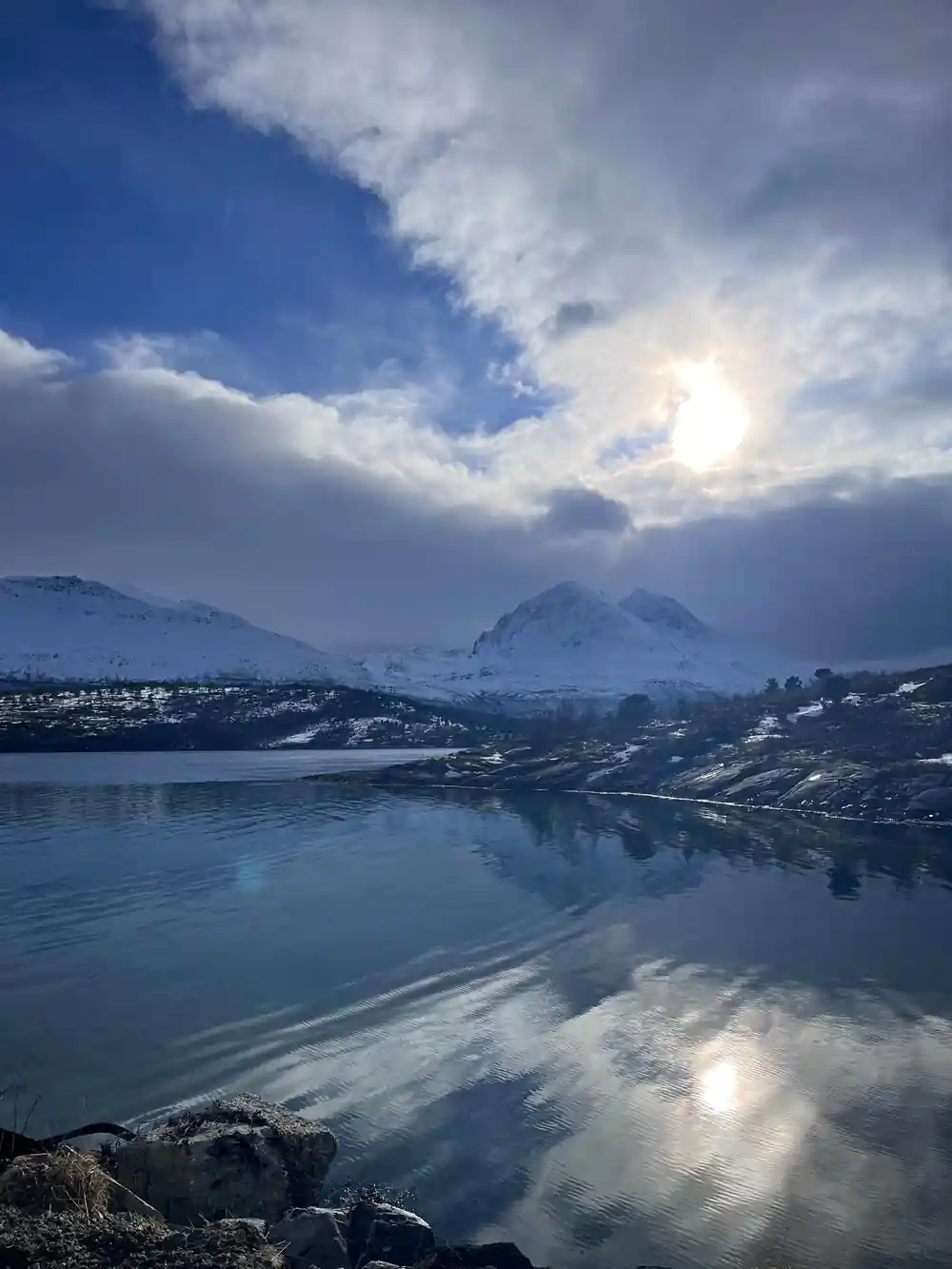
Green aurora mirrored across still fjord water from the catamaran deck
Reading the KP Index and Cloud Forecasts
The KP index updates every three hours based on magnetometer readings from ground stations worldwide. When you check a space weather forecast before your sailing, look for KP 3 or higher for a reasonable chance of visible aurora in Tromsø. A KP 4 to 5 typically produces a green arc or scattered curtains. A KP 6 or 7 often brings vivid, active displays. However, clear skies are equally essential. Cloud cover masks even the strongest aurora. Most forecasting services provide both a KP prediction and a cloud forecast for your specific location. Aim for low cloud probability on the forecast, ideally below 20 percent, paired with a KP of at least 3. This combination gives you the best odds of witnessing the display.
Check forecasts the evening before your sailing and again on the morning of departure. Conditions can shift, and an overnight weather system may cloud over an otherwise promising night. Some forecast services, like the Norwegian Meteorological Institute, offer hourly updates. Real-time aurora alert apps send notifications when KP levels spike, which can help if you are flexible about timing. Even so, aurora chasing involves waiting and patience. A sailing may begin with clear skies and perfect KP levels, then cloud drift in from the sea. Guides trained in local weather patterns can sometimes navigate to clearer zones nearby, but the fjord landscape also means sudden clearing is always possible as conditions evolve through the night.
Deck Darkness During Night Sailing
A catamaran cruising Ramfjorden during polar night operates under absolute darkness once the vessel leaves port. Artificial lighting on deck is minimal to preserve night vision and avoid washing out aurora with stray light. Your eyes take 20 to 30 minutes to adapt fully to true darkness, allowing you to perceive fainter aurora and see details in the night sky. The deck will feel very dark at first, which unsettles some passengers, but this darkness is precisely what makes aurora viewing optimal. Your guides and crew maintain safe navigation using radar, GPS, and instruments invisible to passengers. Deck railings remain secure, and crew members stay alert to passenger movement.
Bring warm clothing rated for temperatures well below freezing, as a stationary or slowly moving vessel on open water feels colder than the air temperature alone suggests. Wind chill across the fjord can be significant. Dress in layers that allow you to remove clothing if you move indoors to warm areas of the catamaran, where heated cabins provide shelter during particularly cold spells. A headlamp with a red-light mode is helpful for reading maps or checking your phone without disrupting aurora visibility. Stand or sit on deck during the sailing, but return to warm spaces between periods of aurora watching to prevent cold-related discomfort. The crew can advise on the best deck locations for viewing as conditions change.
200 km
Aurora typically dances between 100 and 200 kilometers above the fjord, visible across Tromsø's polar night waters.
Why Fjord Water Reflections Outshine Land Viewing
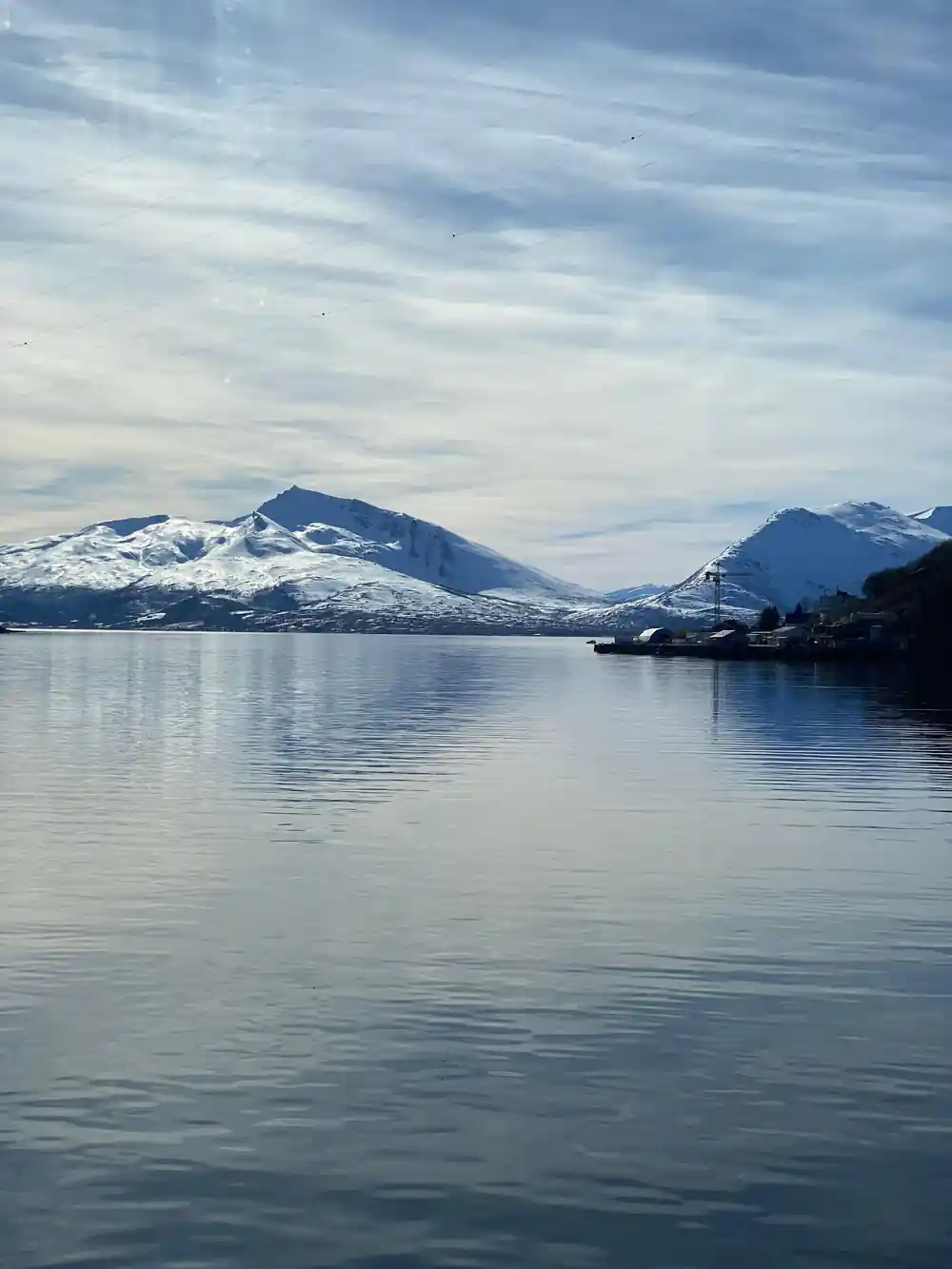
Aurora reflects beautifully off calm water, doubling what your eye perceives. A display that appears as a modest arc over the mountains gains intensity when mirrored in the fjord below. The water surface acts like a natural amplifier, bouncing light back upward and creating layers of color. A catamaran on the fjord gives you 360-degree access to reflections, whereas standing on land limits your view to the direction the water faces. During moments of rapid aurora movement, watching both the sky and the water unfold the full spectacle. Photographers particularly benefit from water reflections, as the doubled illumination often produces stronger images than land-based shots.
Calm conditions are essential for clear reflections; rough water scatters light and destroys the mirror effect. The fjord's protected bays and narrower arms often provide calmer conditions than open coastlines. Your guides navigate toward sheltered zones when they anticipate strong aurora, positioning the vessel where protection from wind keeps the surface smooth. Even slight ripples can blur reflections, so crews monitor water conditions closely. On nights when the water is exceptionally still and the aurora is active, the experience transcends typical viewing. The combination of overhead display and its perfect reflection creates an immersive environment that land-based observers simply cannot replicate.
Can Aurora Appear During Afternoon Sailings
Aurora exists continuously in the upper atmosphere, but human eyes can only detect it when darkness is profound enough. During polar night in Tromsø, the sun remains below the horizon around the clock, creating uninterrupted darkness. Technically, aurora could appear at any hour, including the afternoon, but the faintest green hues blend into residual twilight or remain invisible without the contrast of true darkness. For practical purposes, aurora becomes visible only during the deep night hours, roughly from 9 p.m. onward and continuing until dawn approaches in late February. An afternoon sailing during polar night operates under darkness, but that darkness is less absolute than the deepest night hours, and any aurora present would be fainter. Evening and night sailings, departing in the late evening, position you for the hours when aurora is historically most active and most visually striking.
Aurora Guarantees: Understanding the Reality
No tour operator can promise aurora. The phenomenon depends on solar wind activity, cloud cover, and magnetic field conditions, none of which can be controlled or reliably predicted beyond three days. A sailing may depart with favorable KP forecasts and clear skies, only to encounter unexpected clouds or a sudden drop in aurora activity. Conversely, a night that begins with modest KP levels may see a solar wind surge that ignites brilliant displays. Experienced guides maximize your chances through knowledge of local conditions, positioning, and timing, but outcome remains subject to natural variability. Many visitors return for multiple sailings to increase their odds of witnessing the lights. Some see dramatic displays on their first night; others require patience across several trips. Approach aurora chasing as an adventure with genuine possibility, not a guaranteed outcome.
Chase the lights from open water
from US$157Reserve now & pay later
Good to know first
Why is Tromsø good for seeing the aurora?
Can aurora appear during afternoon polar-night sailings?
How dark are the ship's decks at night?
What do northern lights look like on water?
Is aurora guaranteed on this cruise?
What is the KP index and how do I read it?
How does latitude affect aurora viewing in Tromsø?
Why is fjord water better than land for aurora?
What weather stops aurora from being visible?
Does polar night make aurora easier to spot?
-
★★★★★
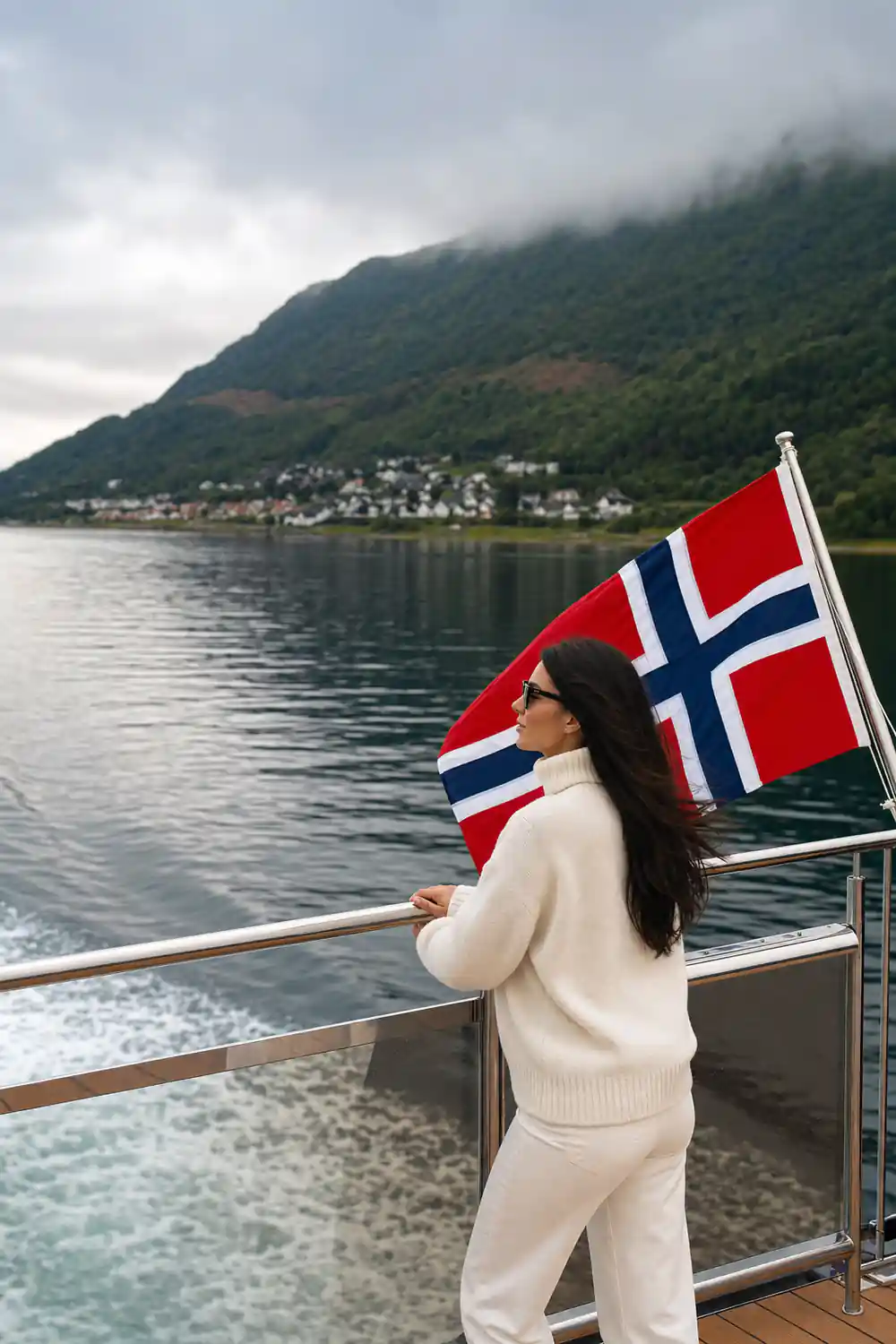
The crew were honest when clouds rolled in. Still magical watching the dark water and stars.
 James D.
-
★★★★★
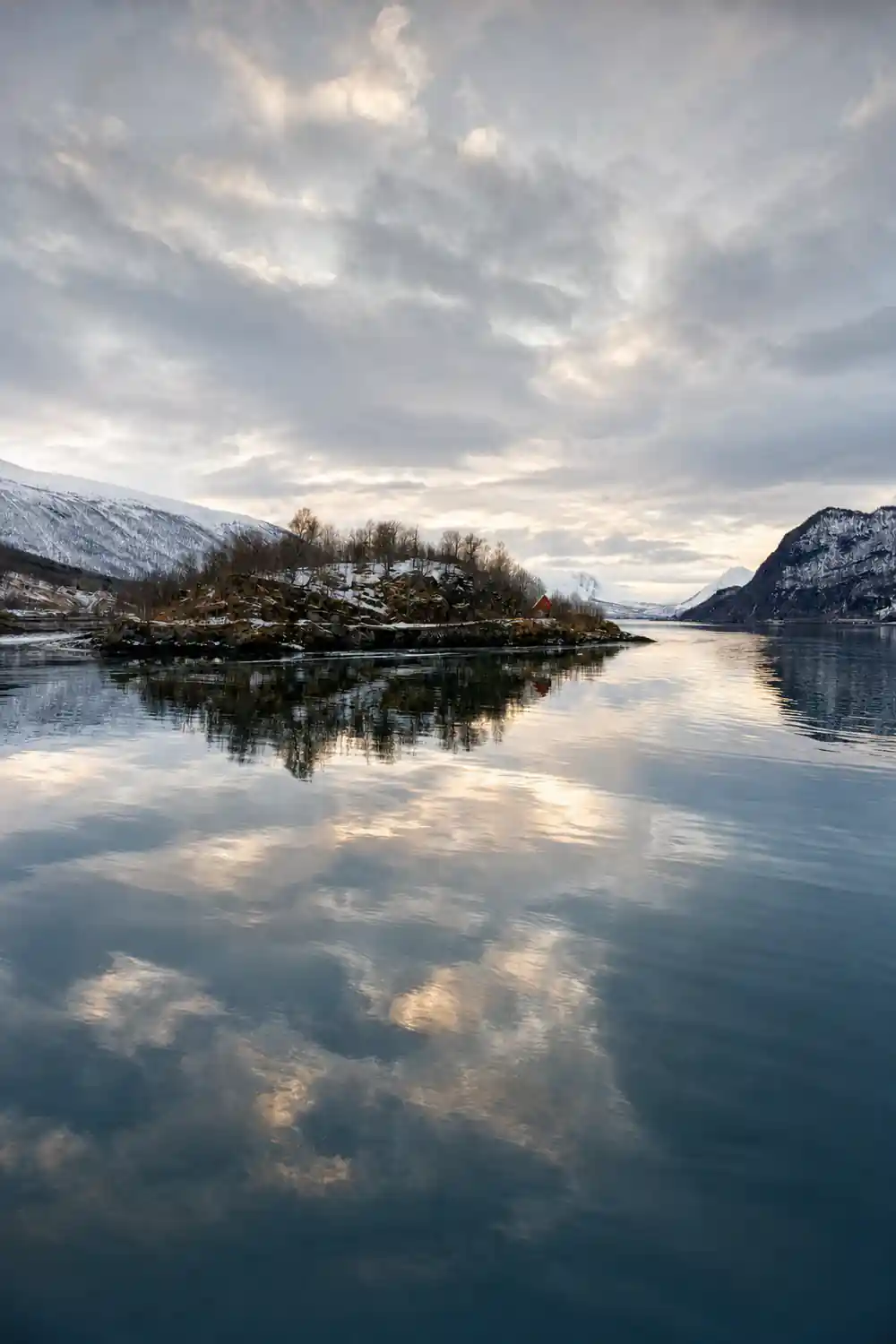
My eyes adjusted on deck after 20 minutes. The fjord reflections were brighter than the sky itself.
 Jeffrey K.
-
★★★★★
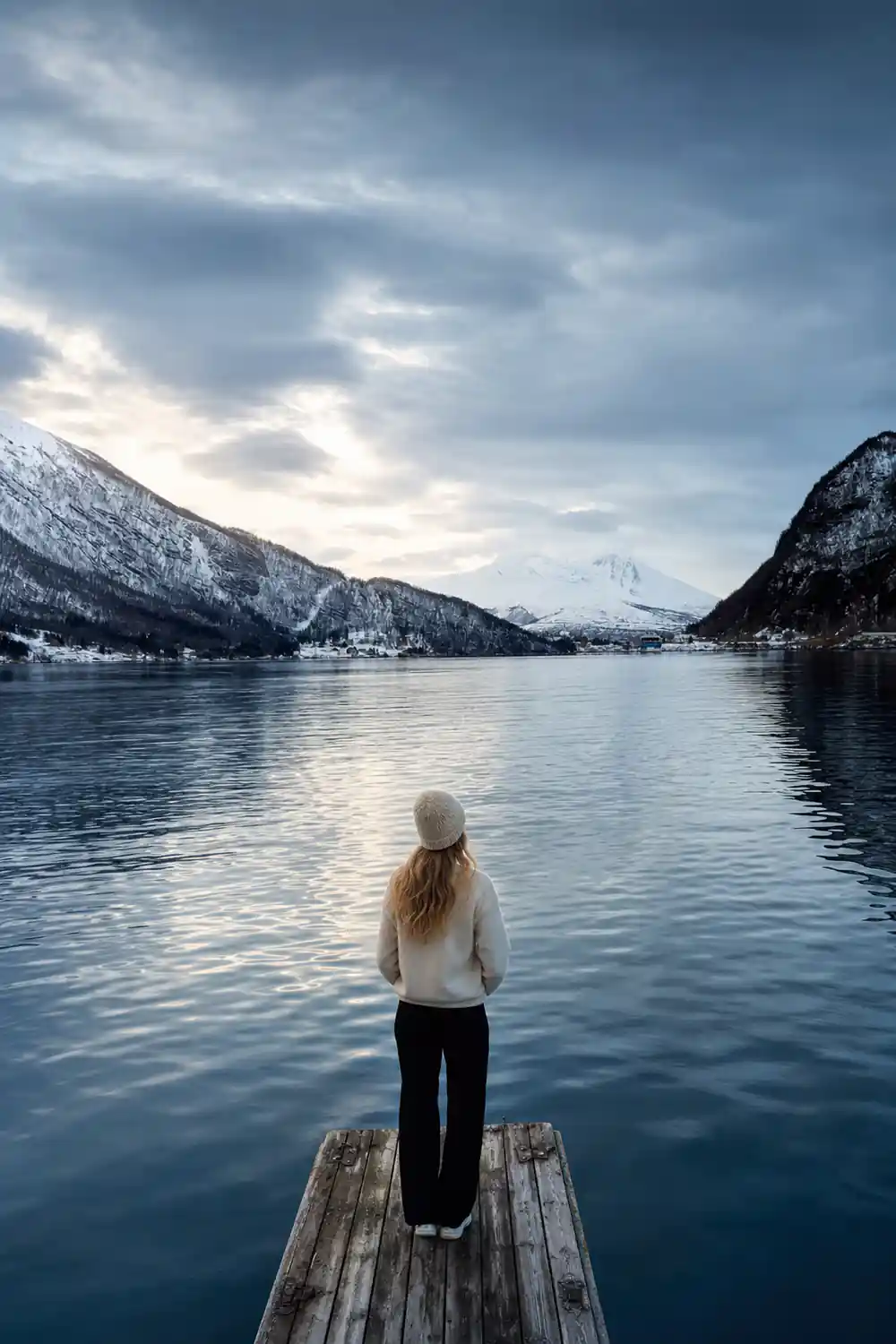
No aurora that night, but the guides explained the physics and why we were in the right place.
 Michelle E.
-
★★★★★
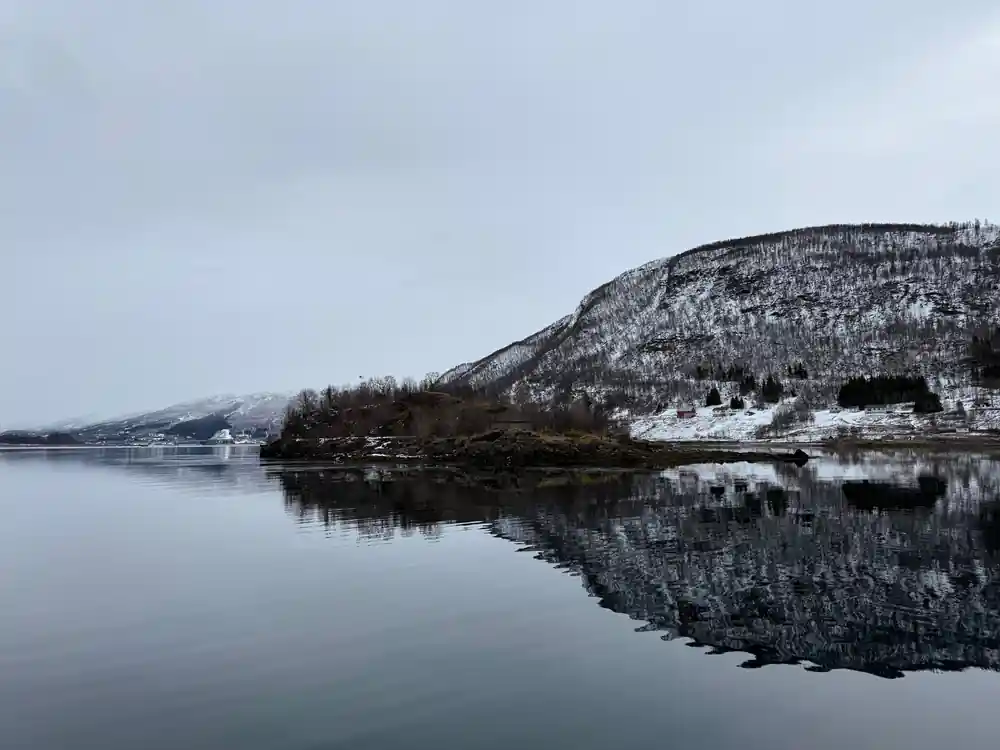
The water was like a mirror for the few lights that appeared. Worth the deck time in the cold.
 Stephanie S.
-
★★★★★
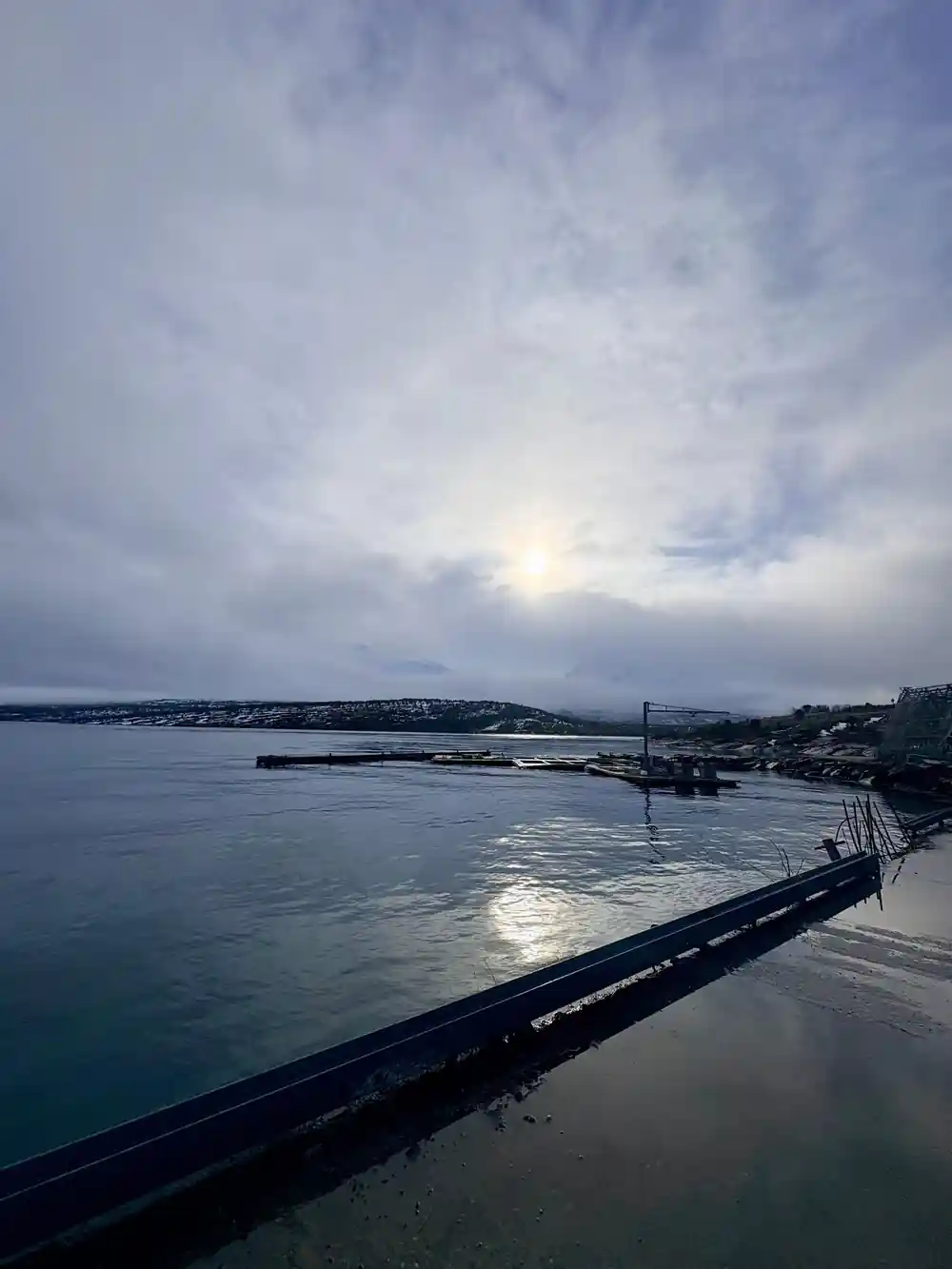
Crew never promised anything. They talked about KP indexes and kept expectations real.
 Donna D.
-
★★★★★
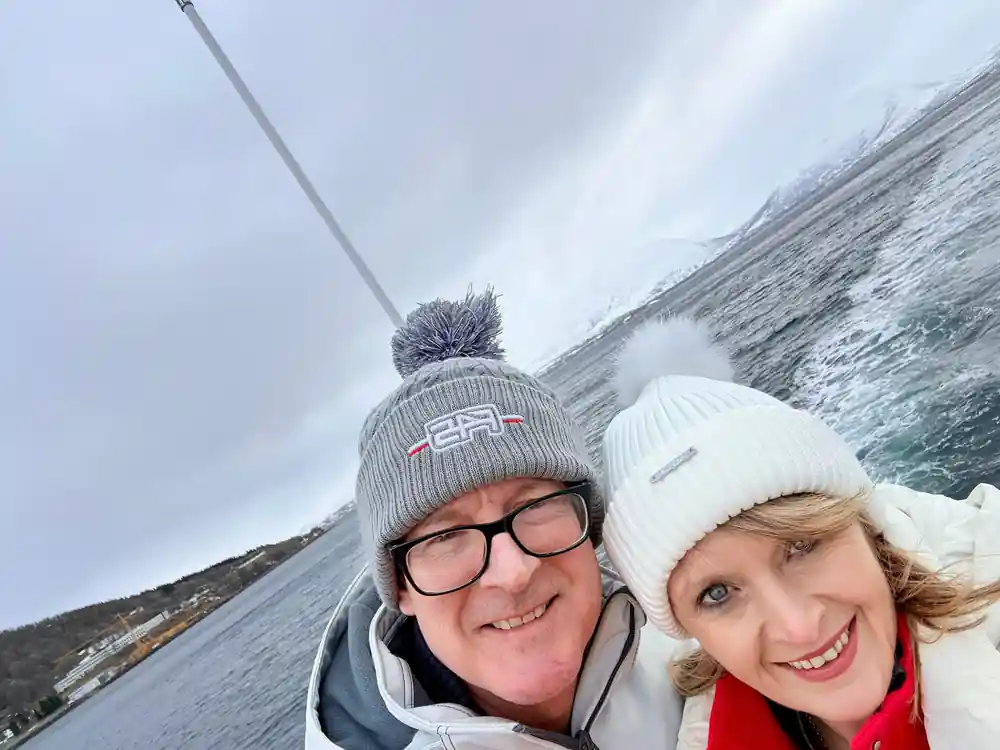
Standing on a dark catamaran deck watching the fjord felt more intimate than land viewing.
 Rebecca P.
-
★★★★★
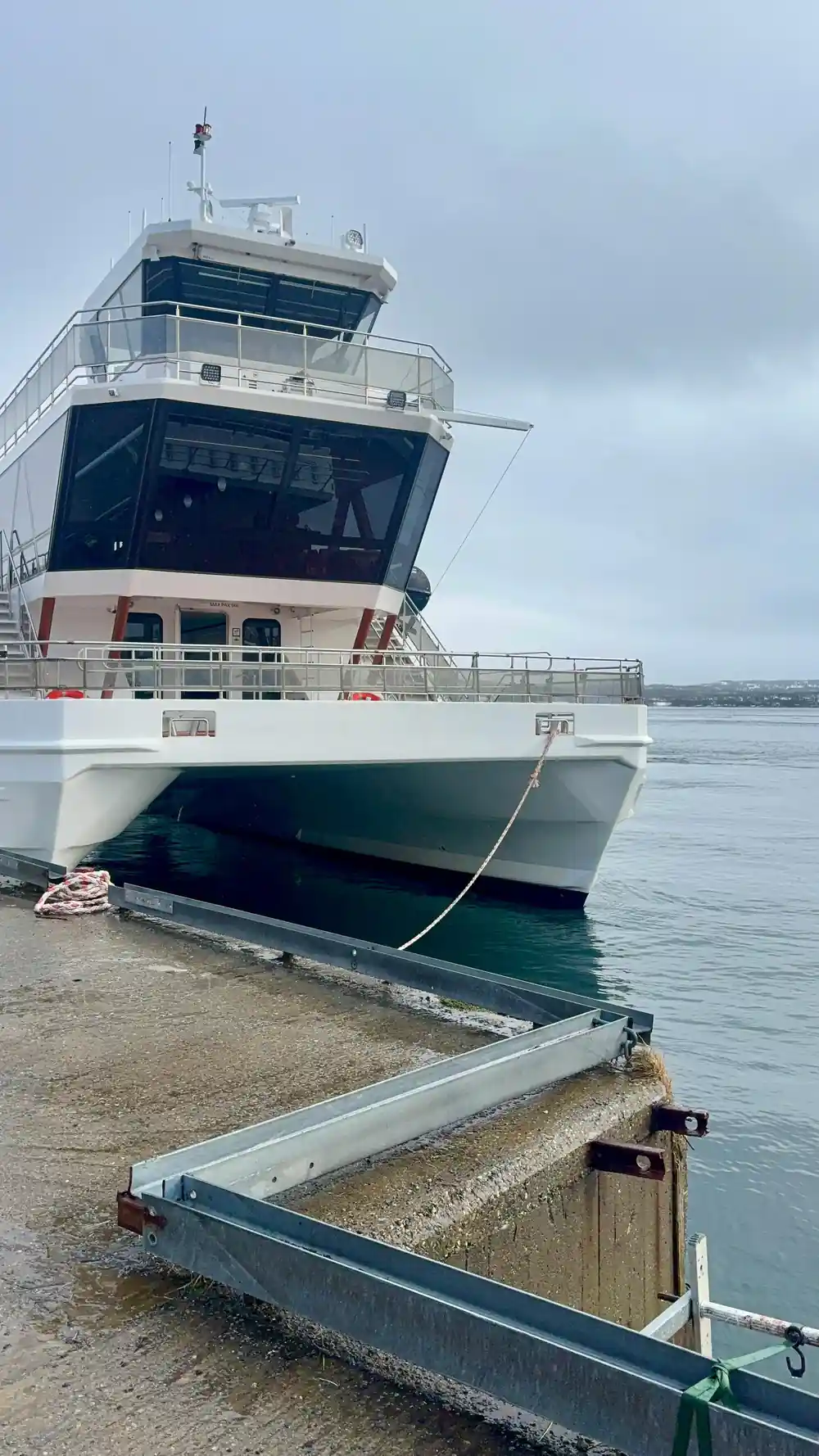
Even without aurora, learning about the auroral oval and why Tromsø sits in it was fascinating.
 Jeffrey H.
-
★★★★★
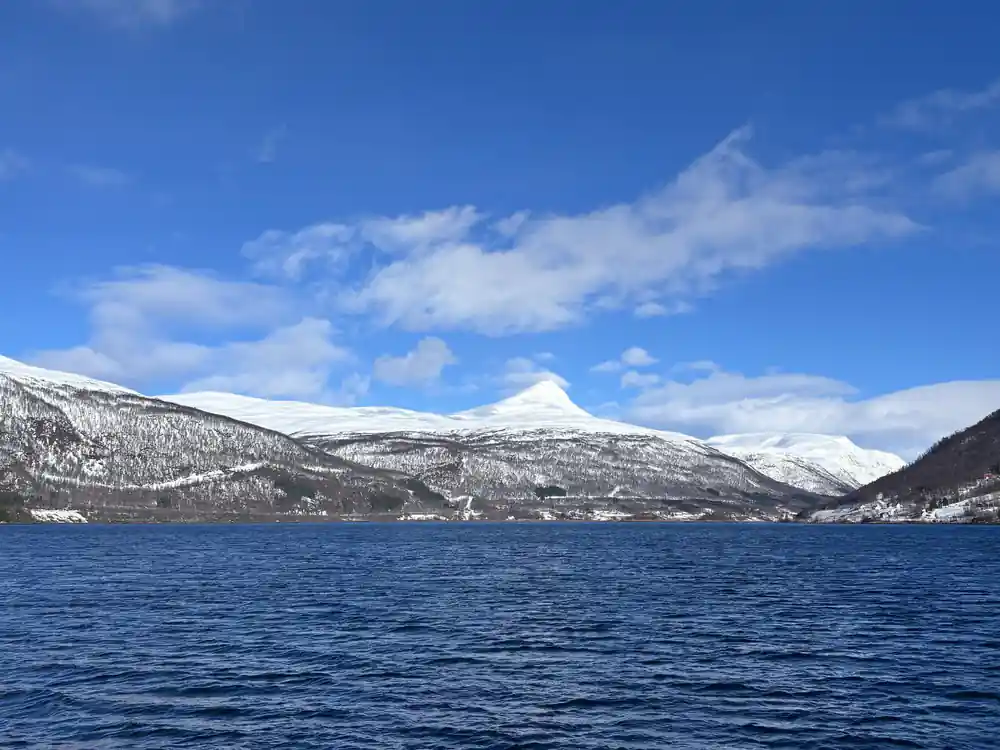
The reflections on open water caught what little light appeared. Professional and patient guides.
 Mark P.
-
★★★★★
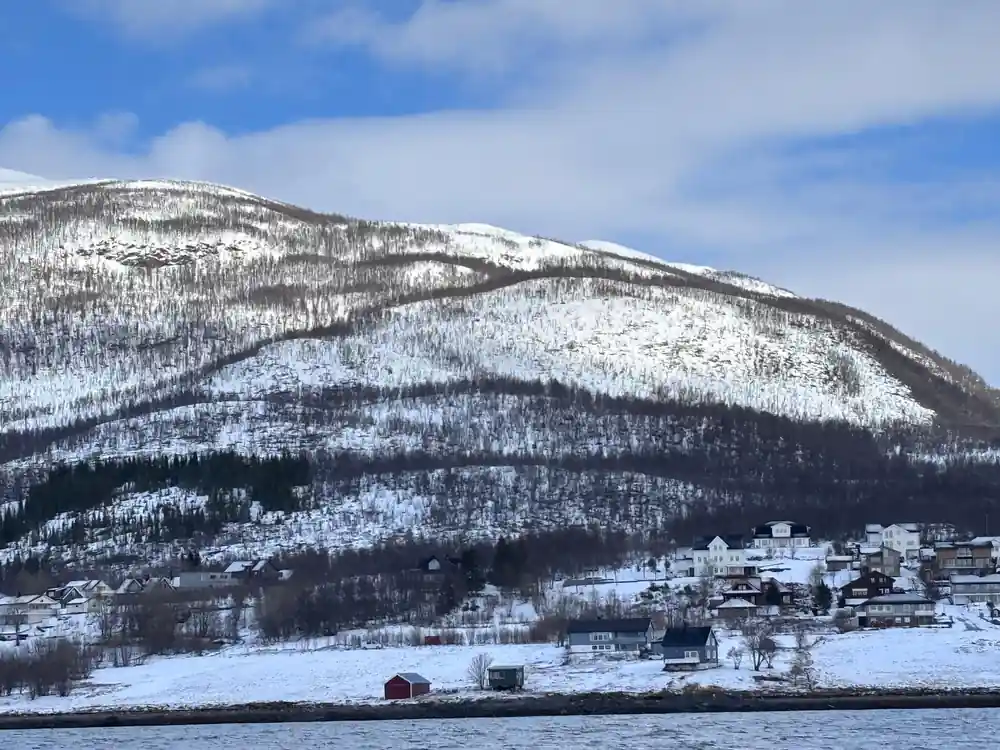
Clear night with faint green shimmer over the water. The deck darkness made all the difference.
 Nancy O.
-
★★★★★
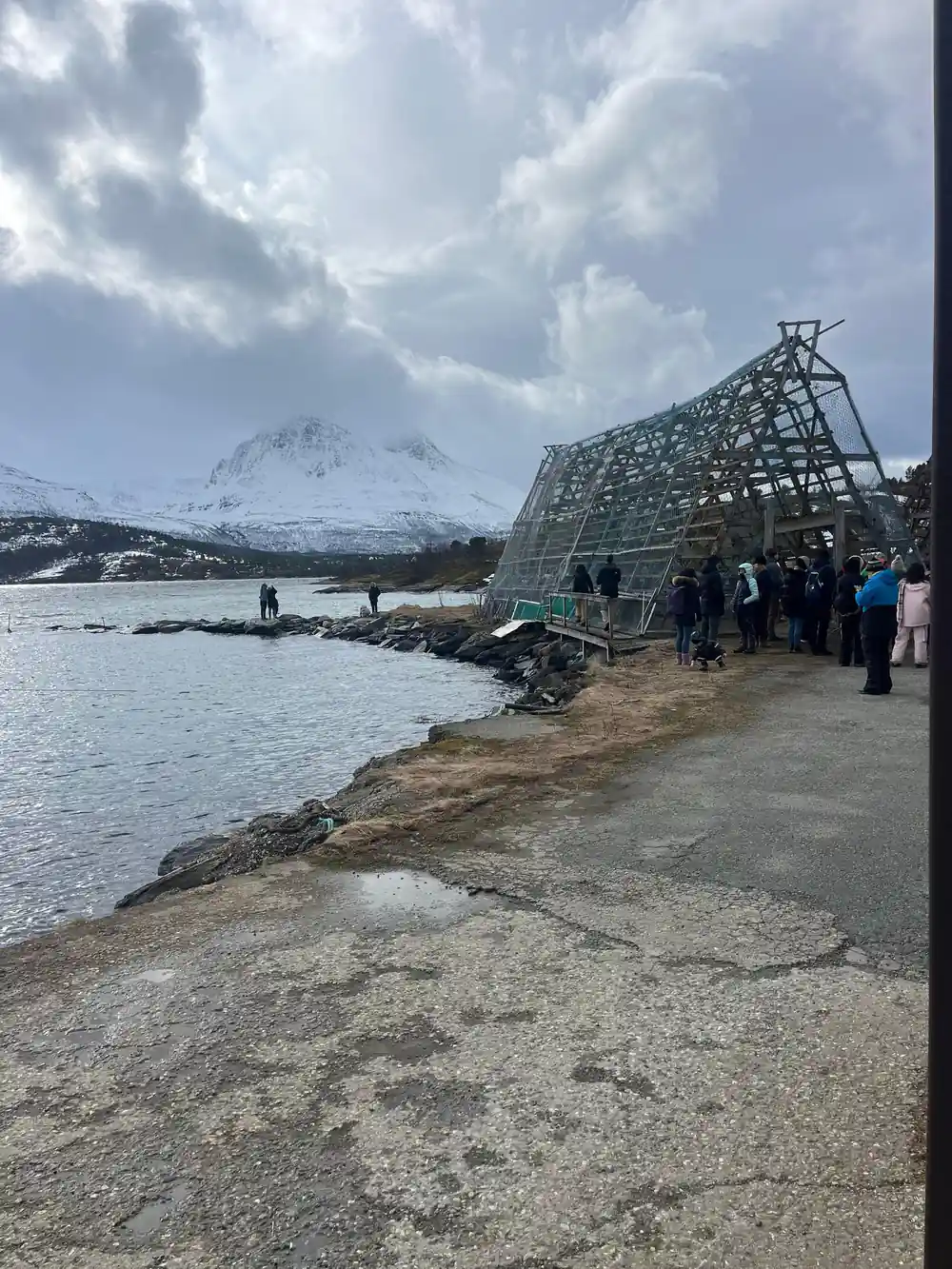
Guide explained we were in the right season and location. No guarantees, but genuine knowledge.
 Steven C.