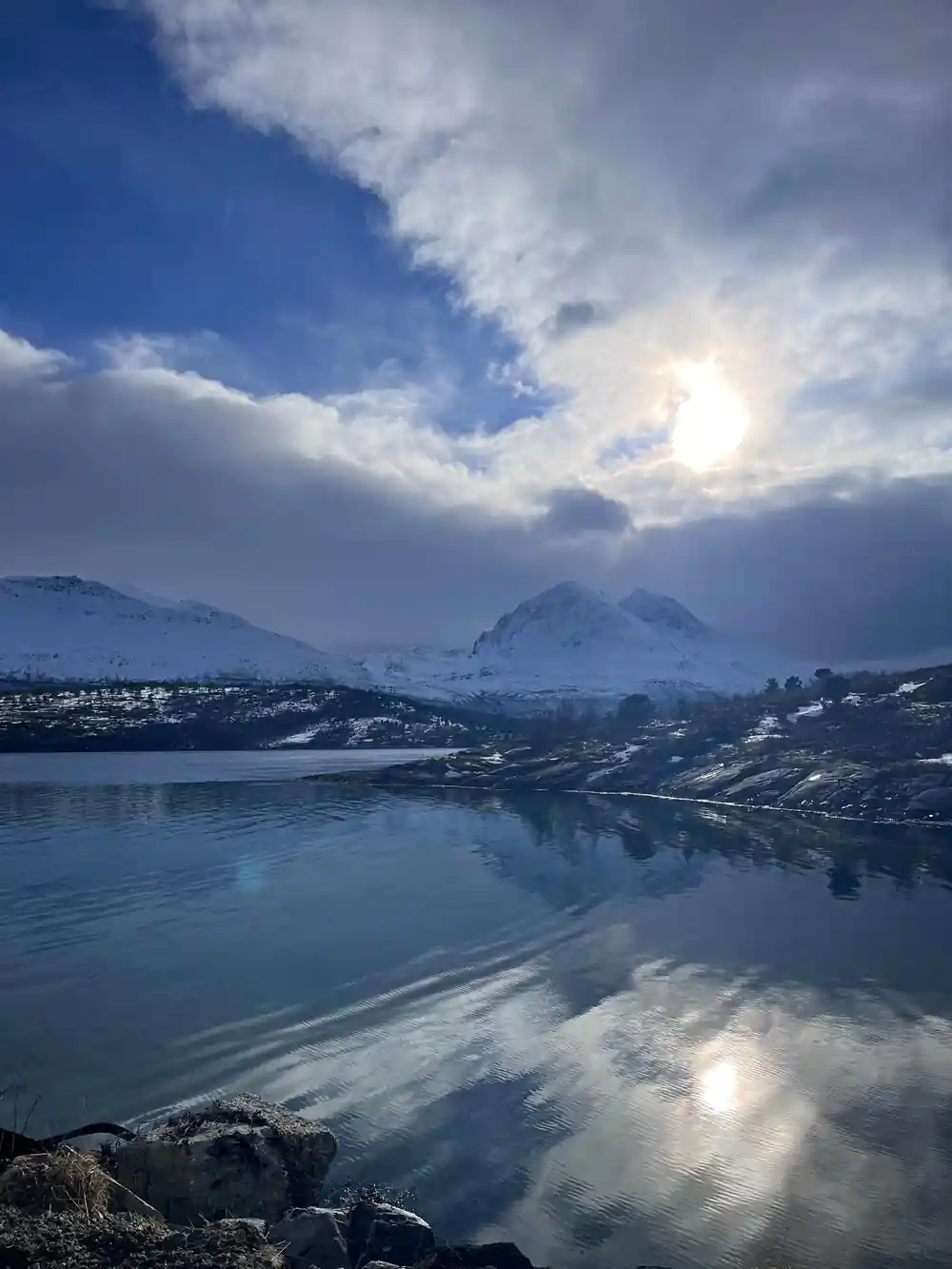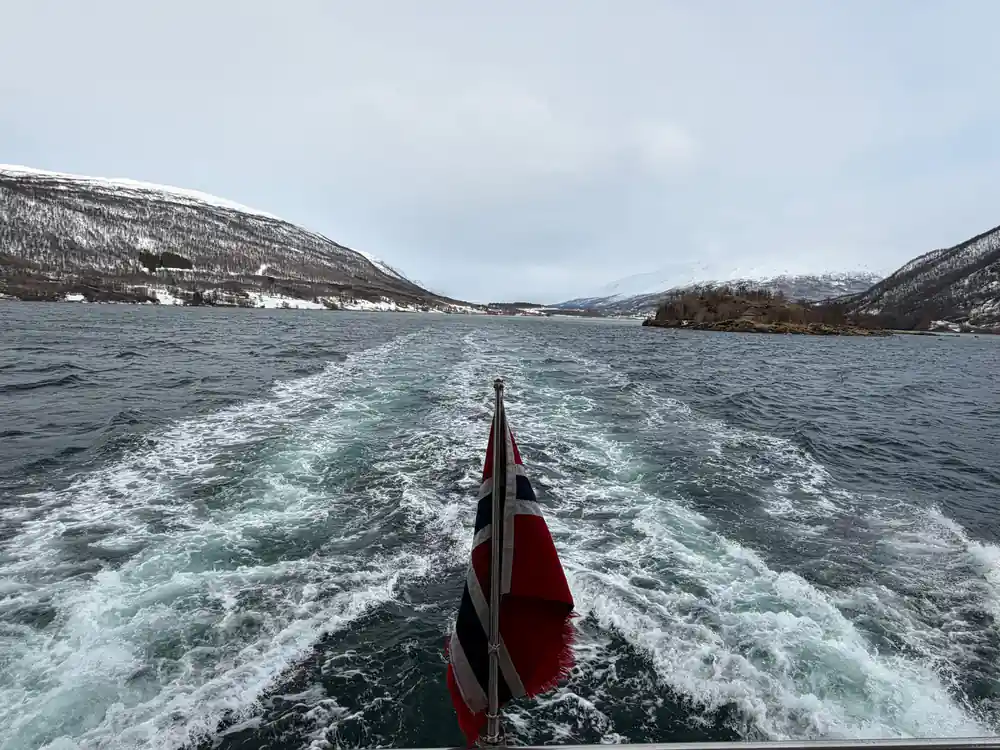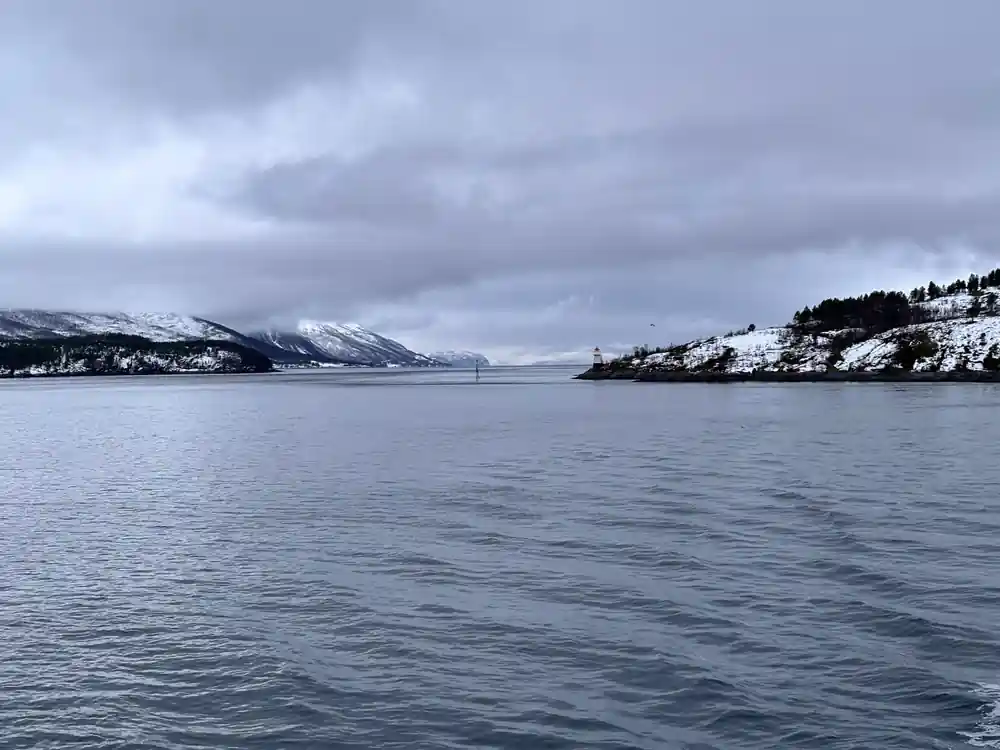











What happens on the four-hour cruise
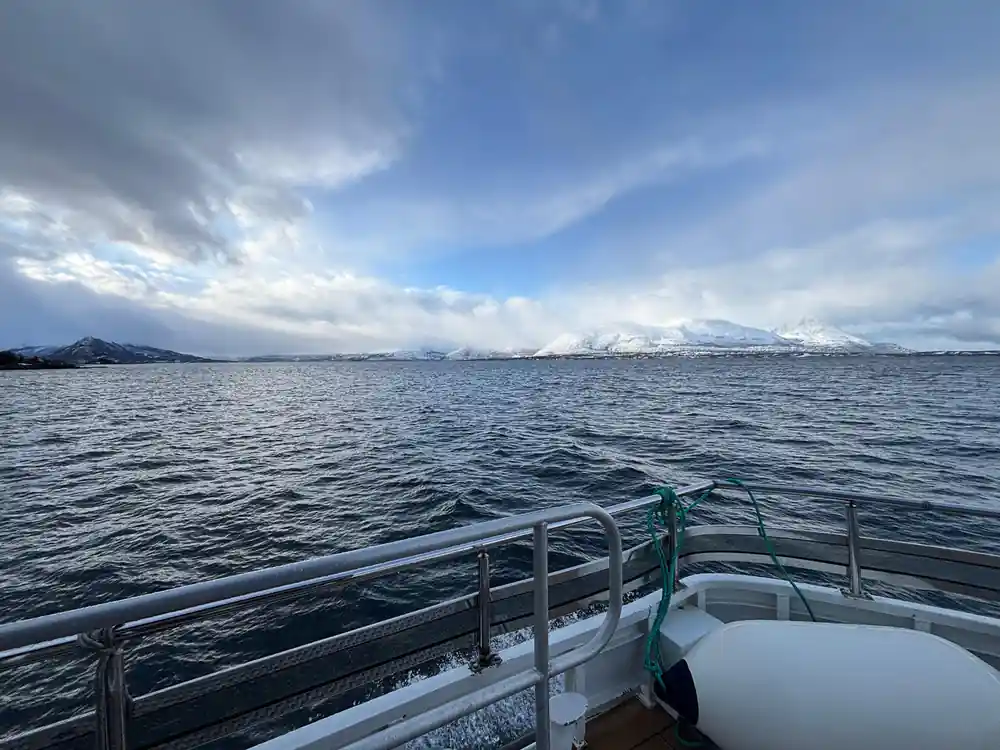
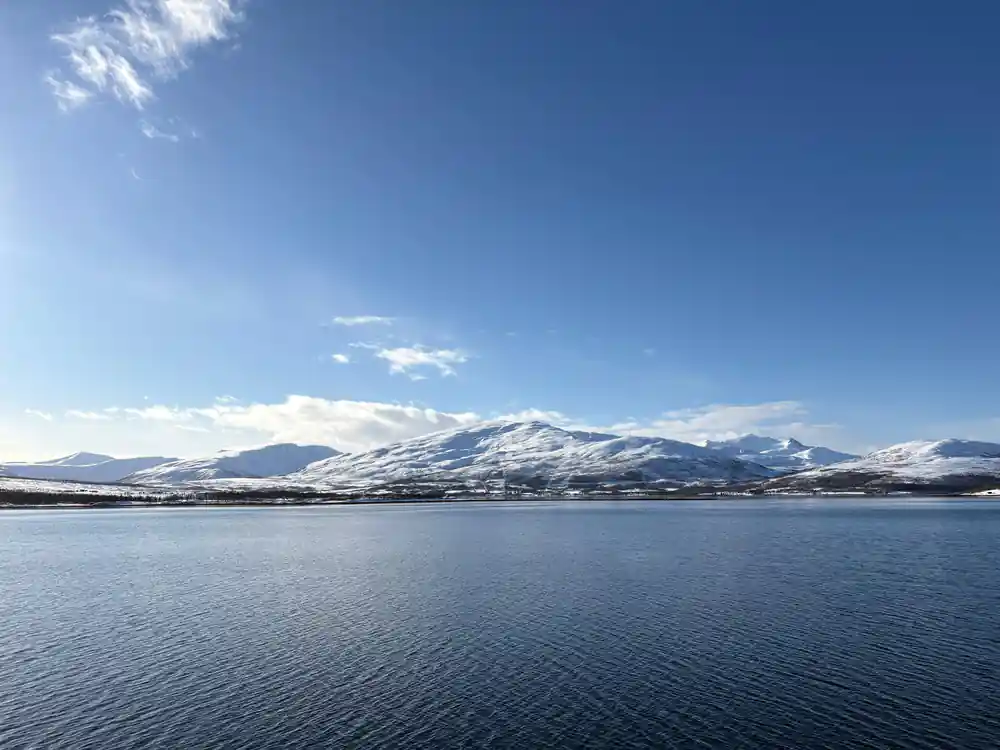
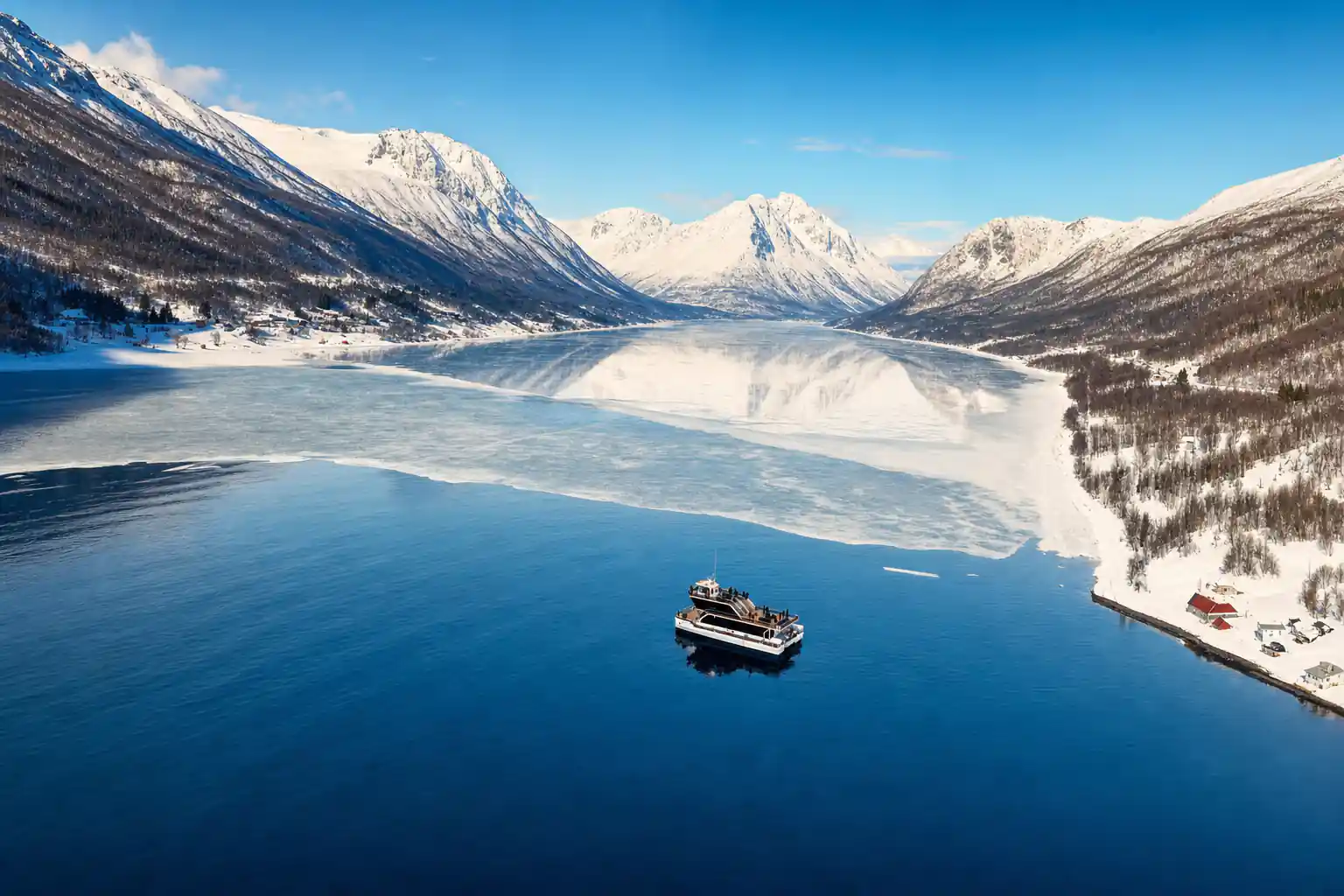
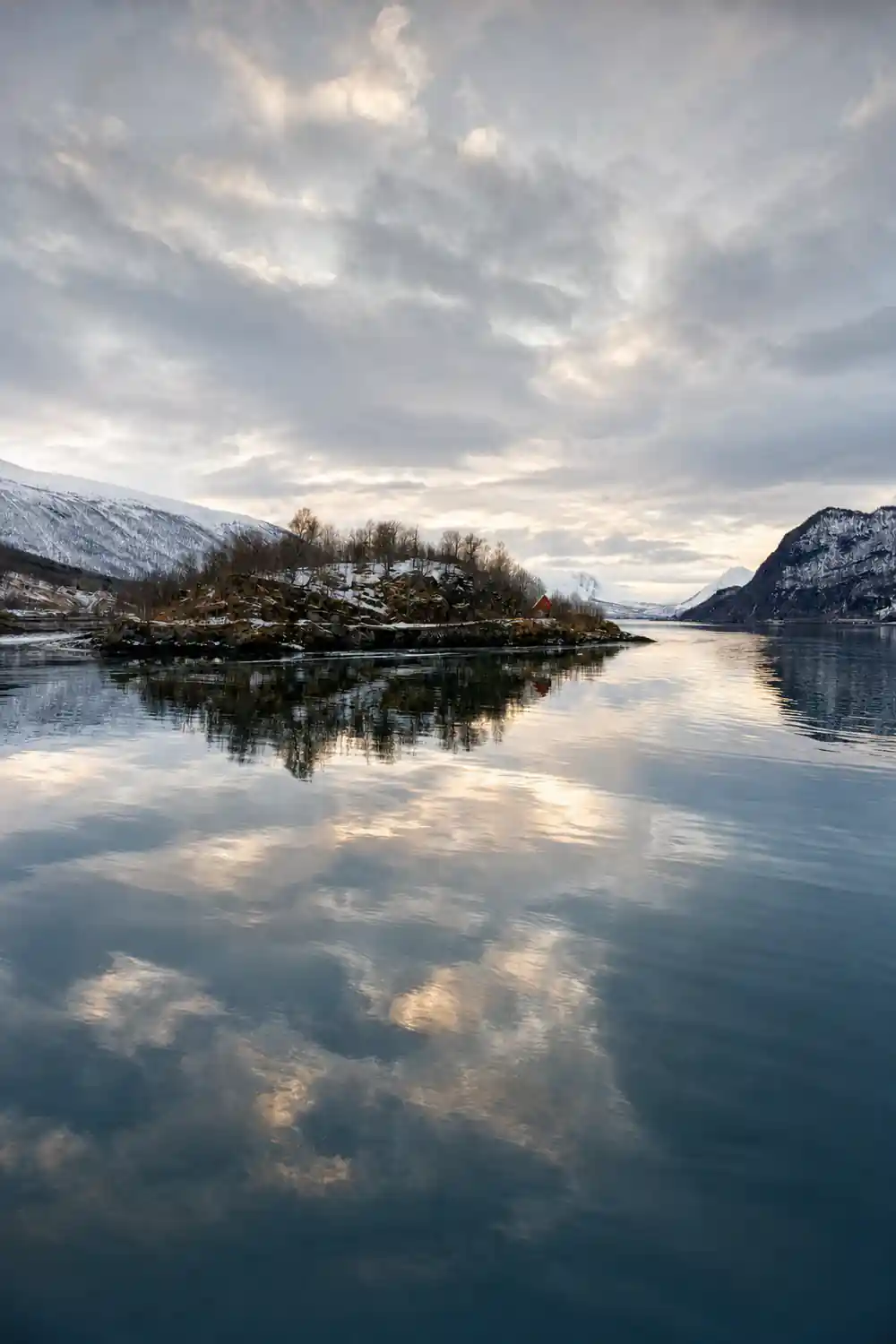
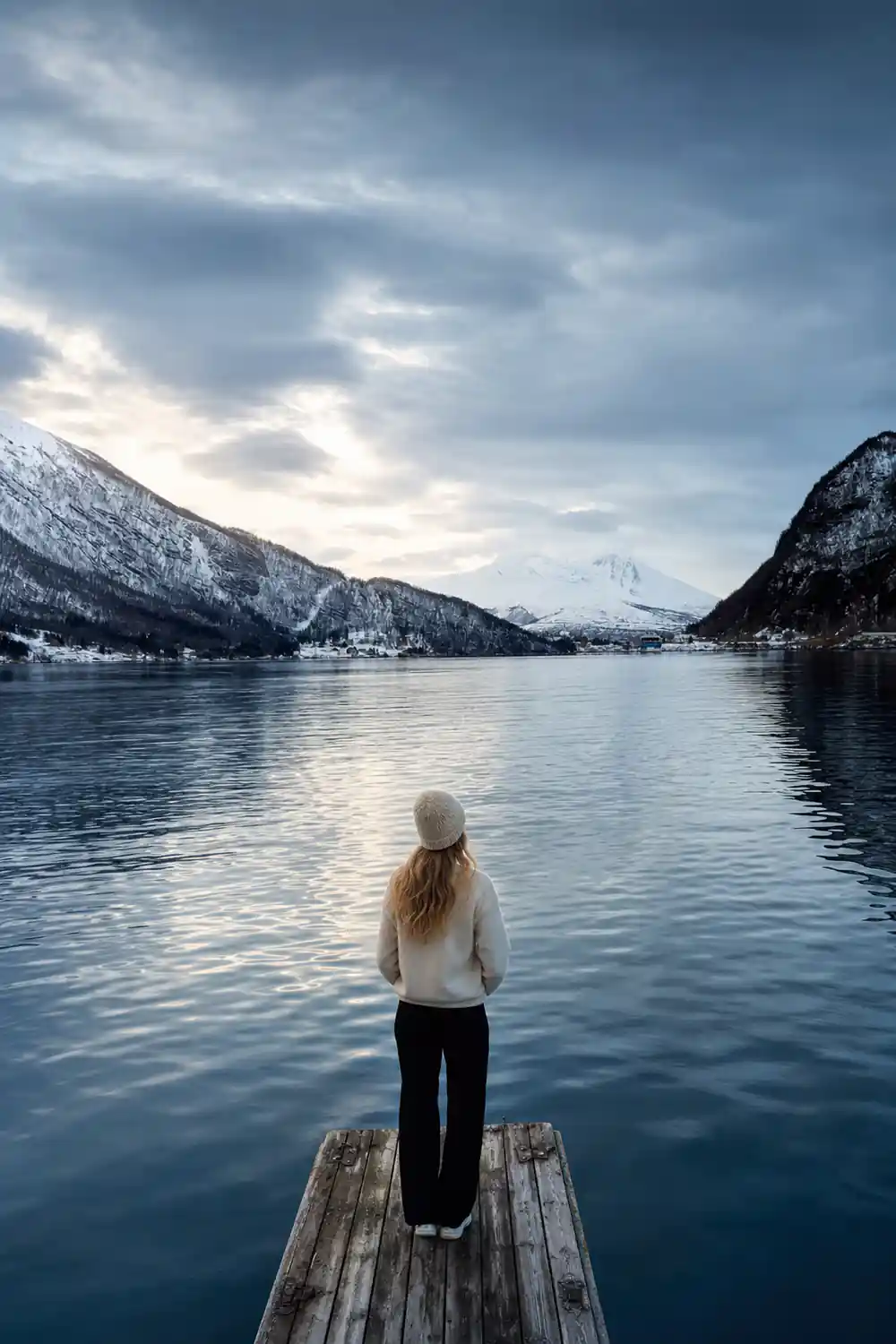
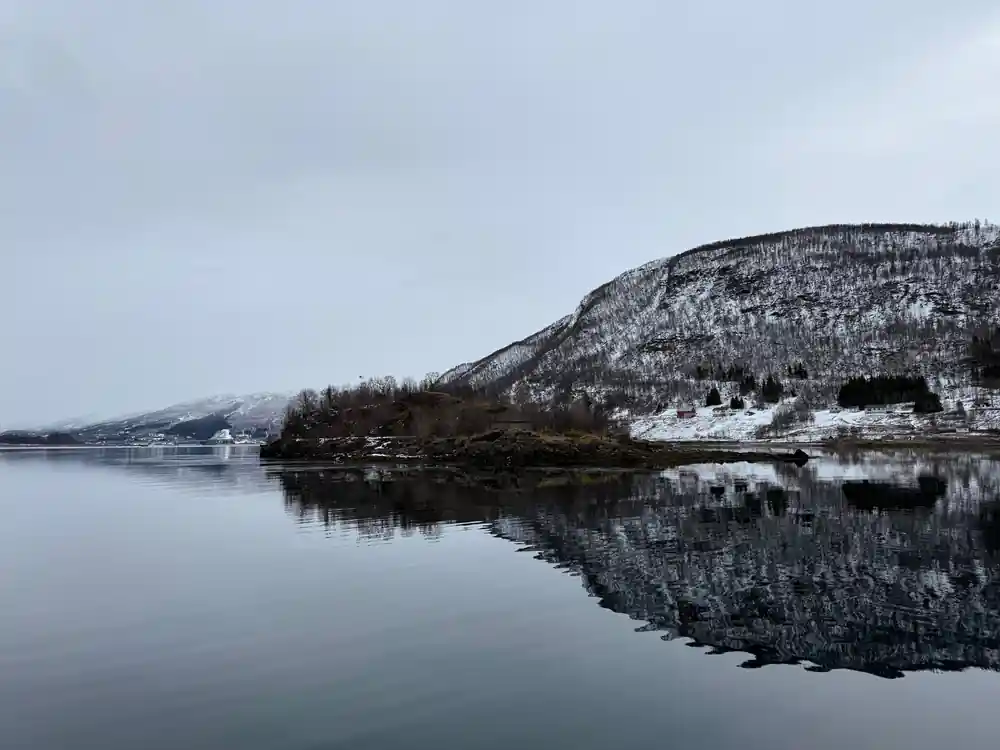
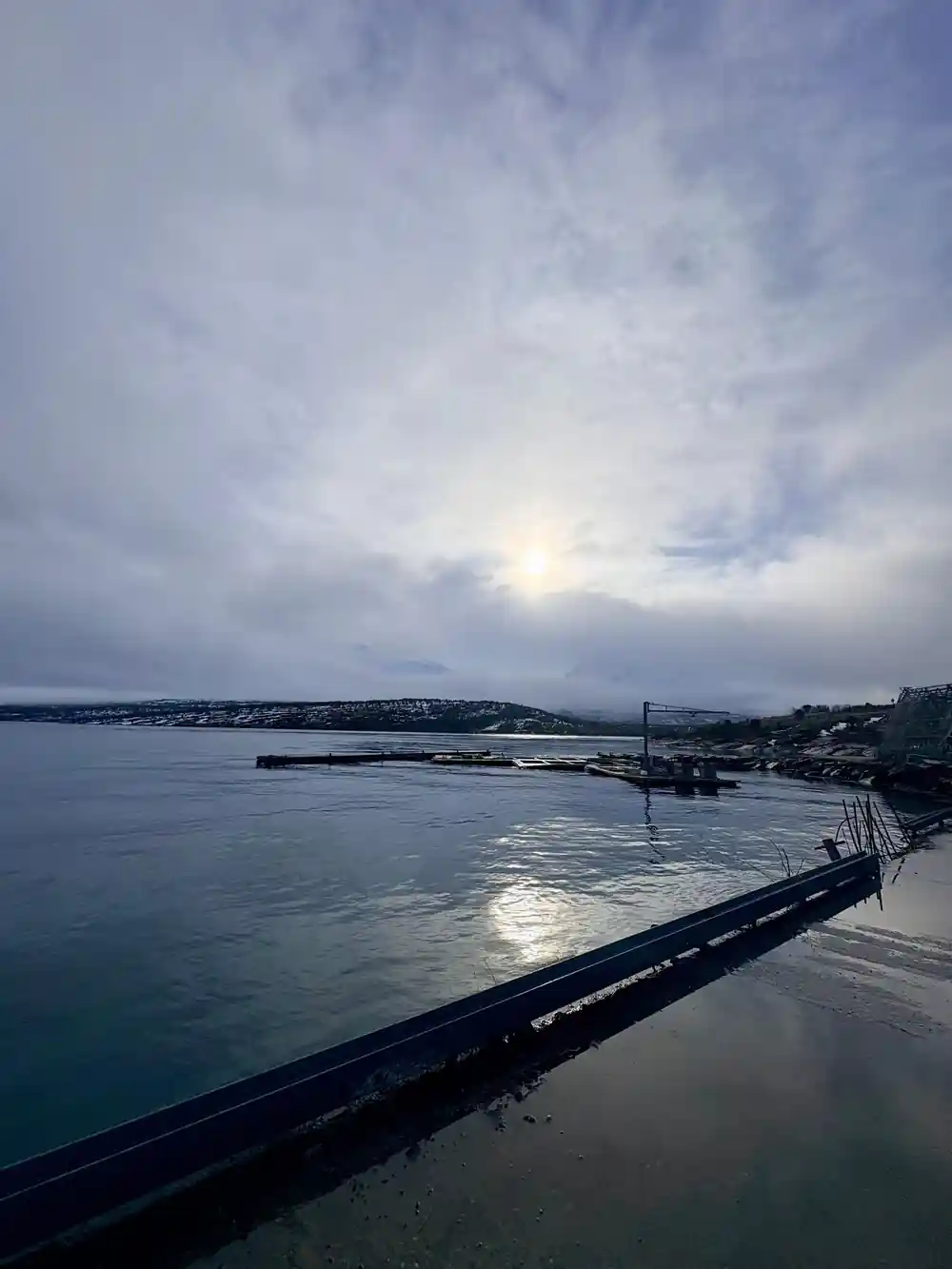
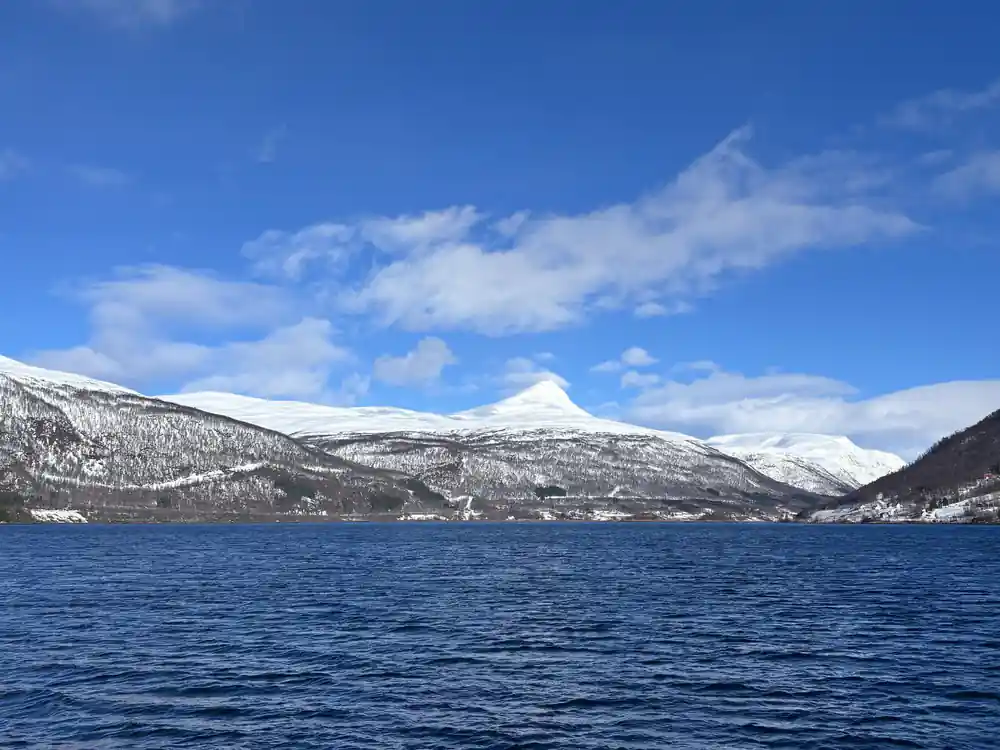
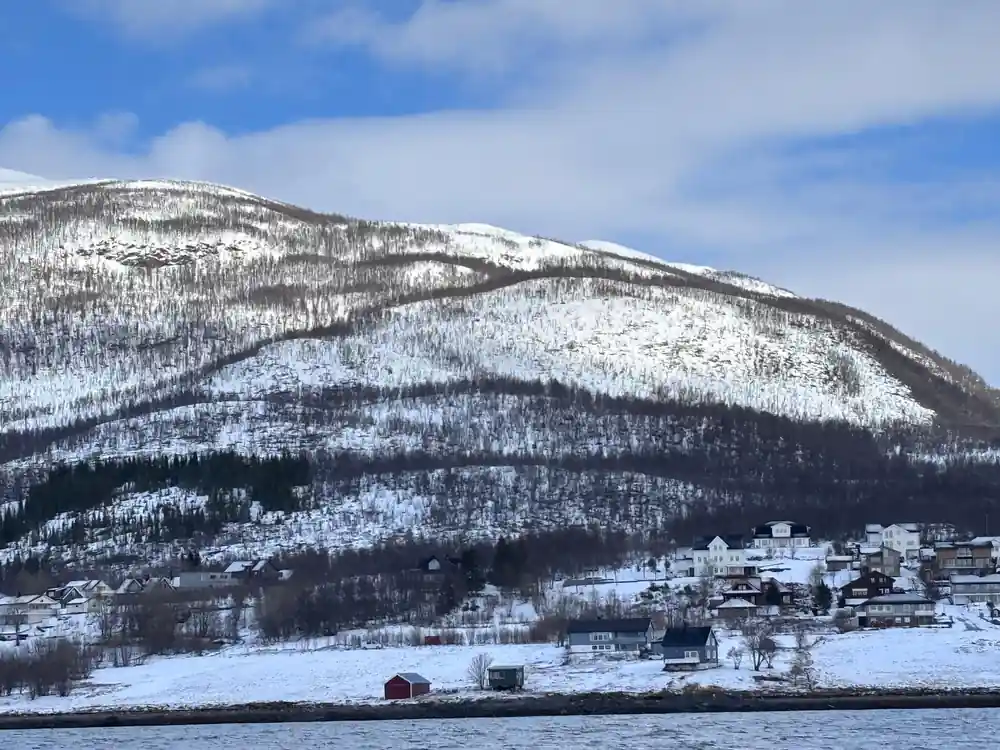
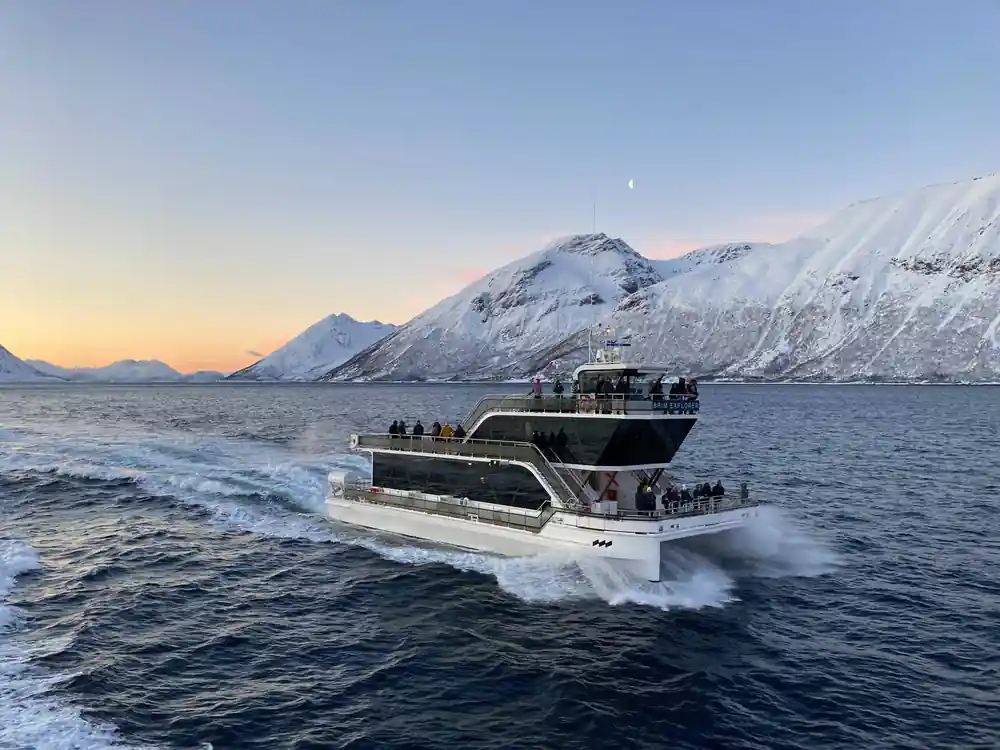
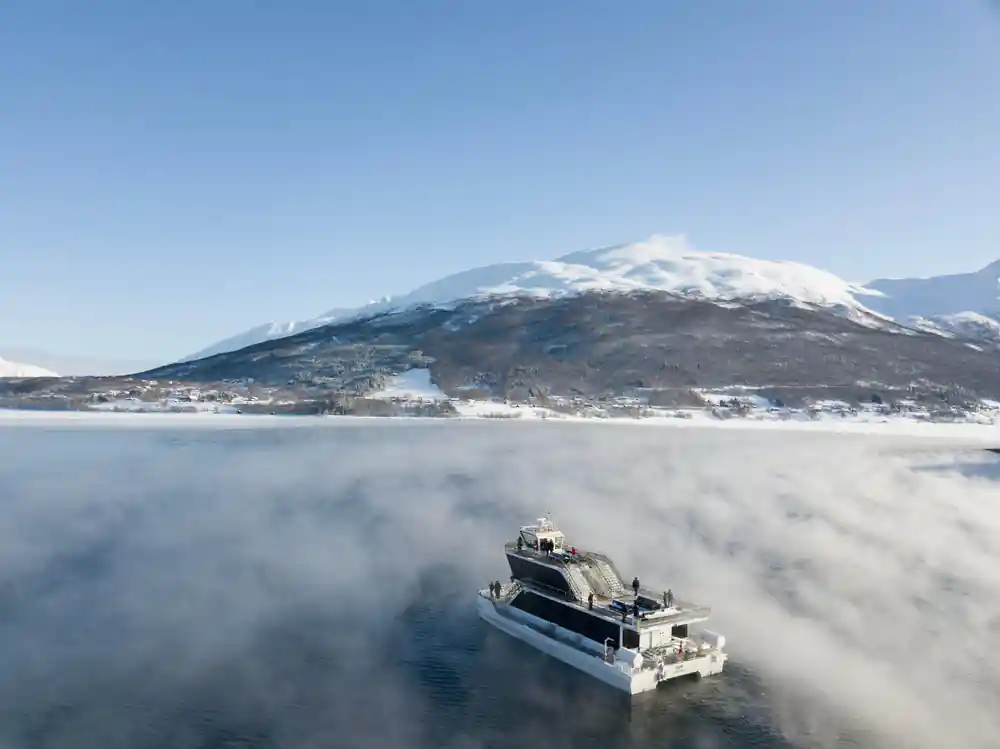
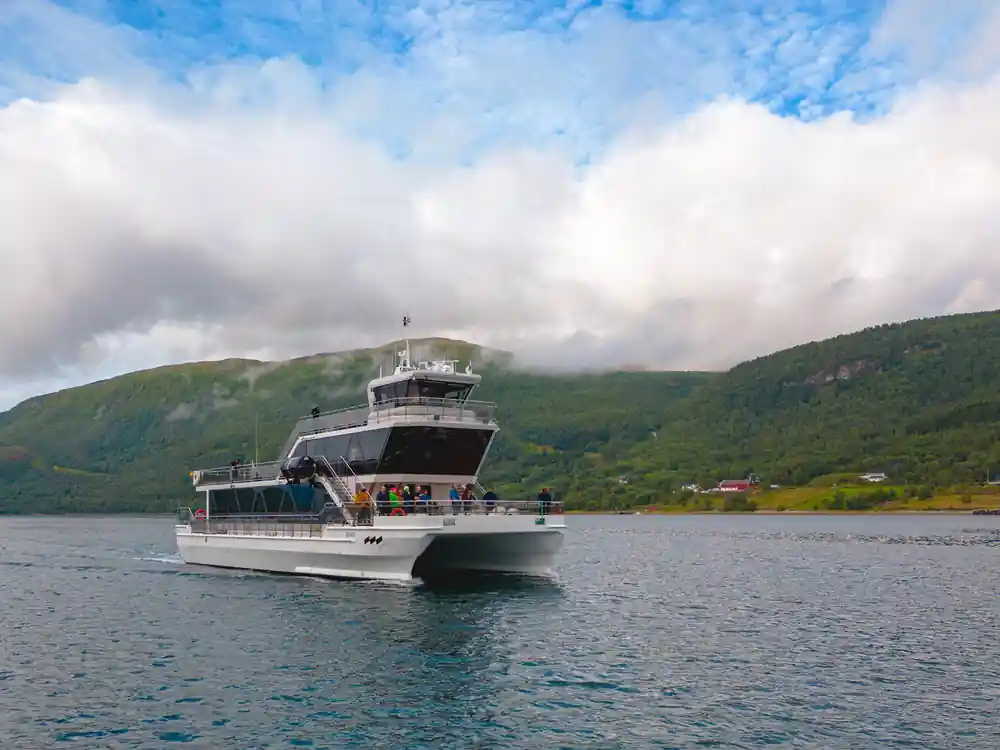
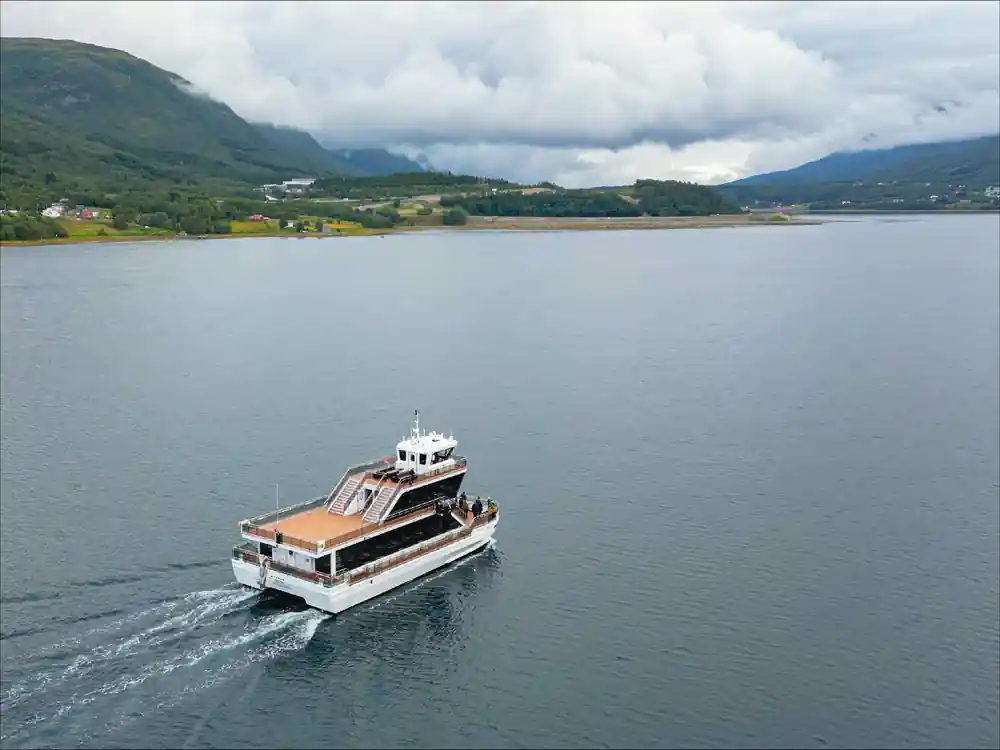
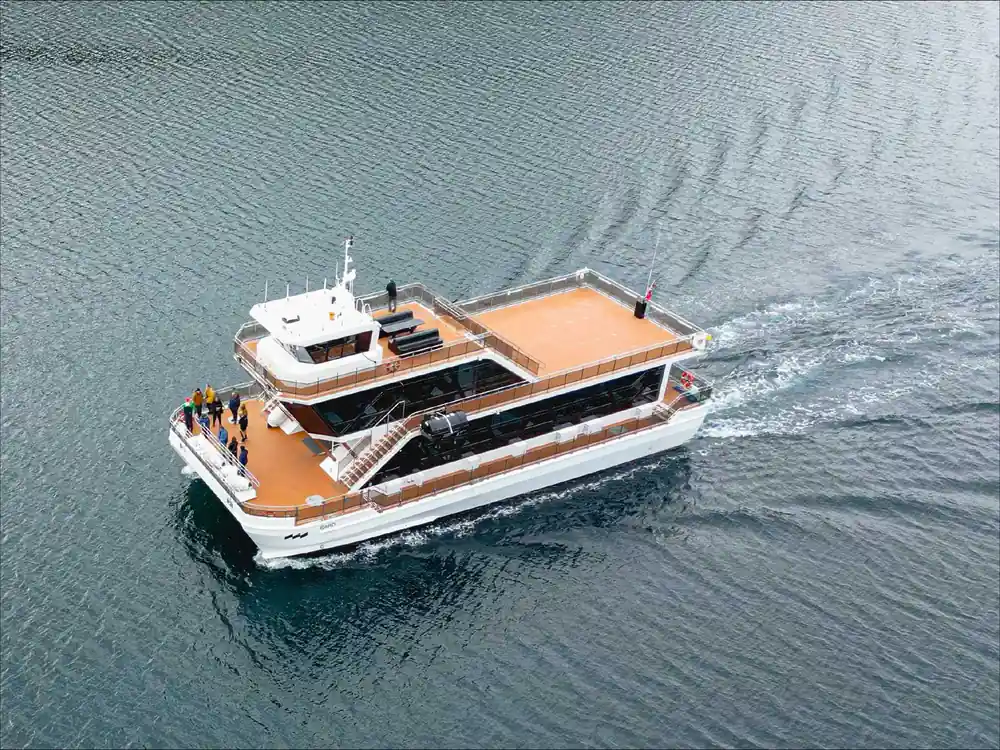
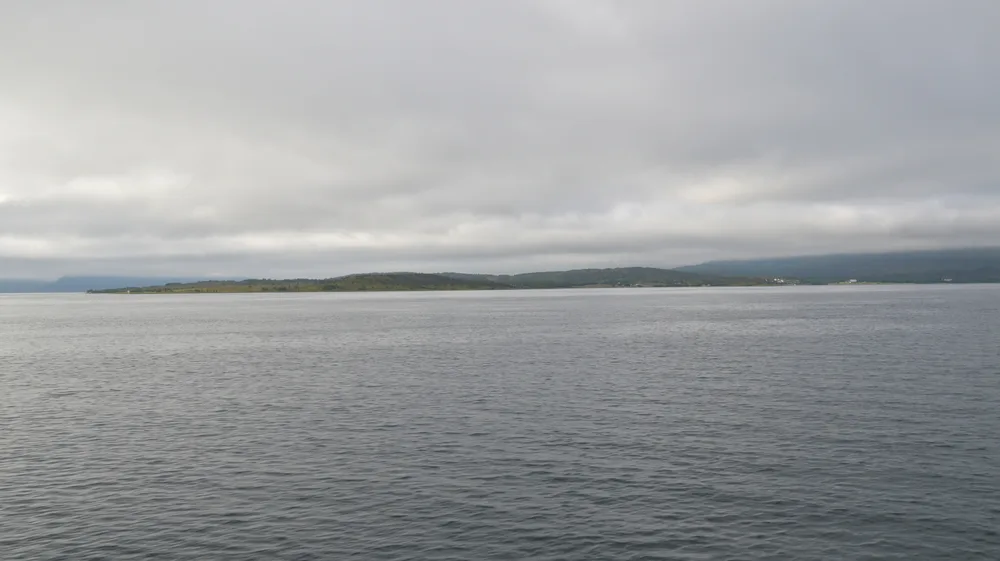
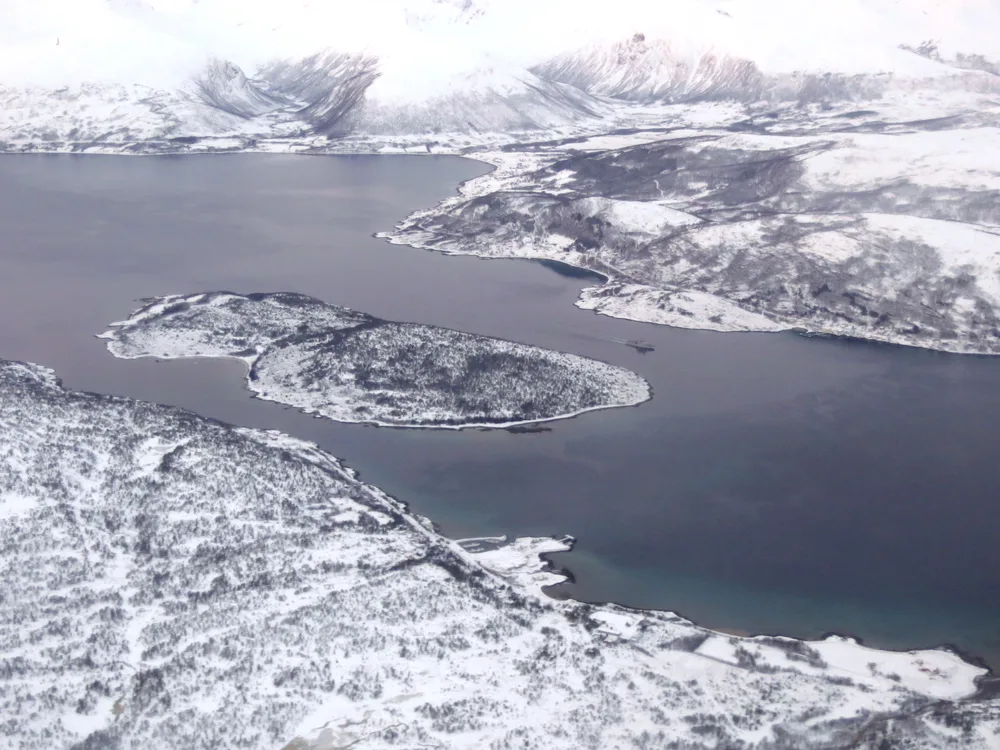
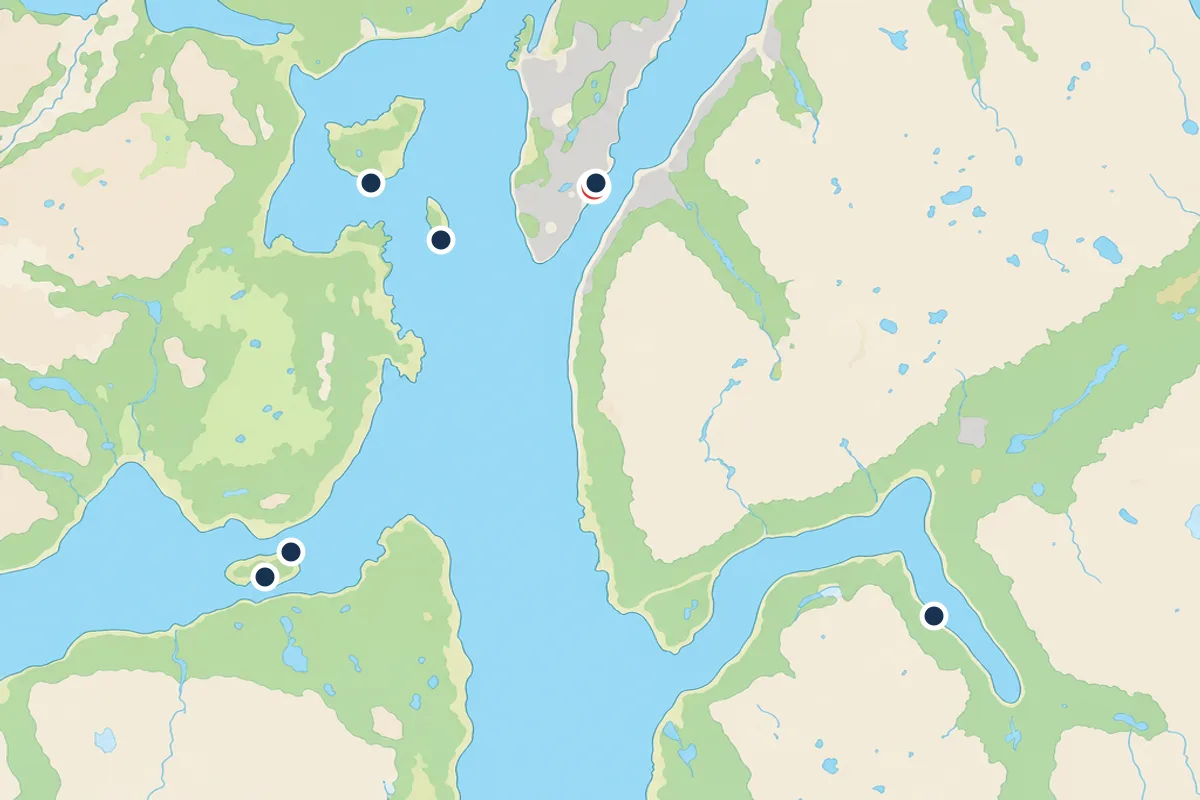
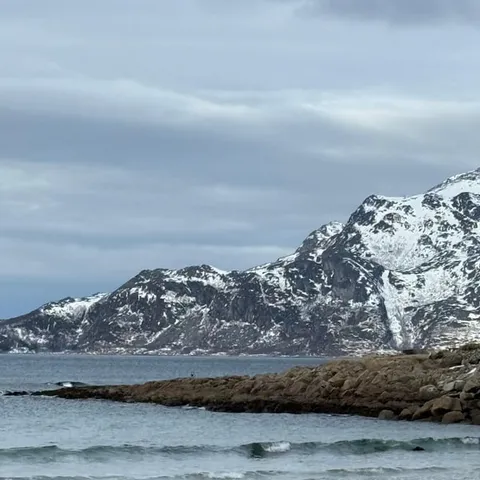
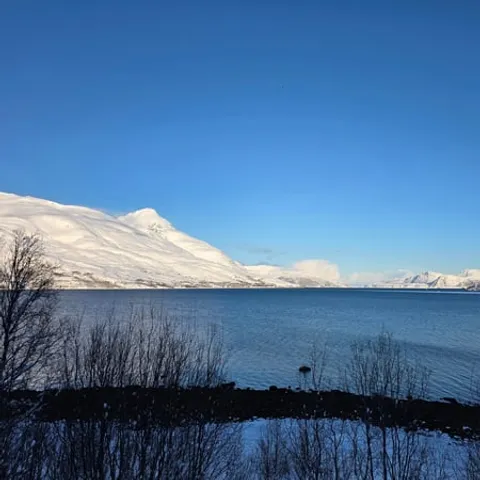
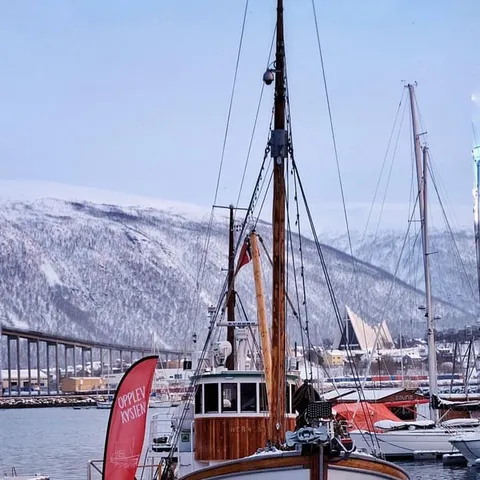
This catamaran journey departs from Tromsø and navigates the waters around Ramfjorden, Rystraumen, Rya, and Store Grindoya, ending near Tirpitz-platen. The route takes you through seven distinct stops and viewing areas, each chosen for coastal scenery and wildlife presence. You'll spend the full four hours on and around the vessel, with one scheduled landing at a local fishing station (weather permitting). The itinerary balances time under way, where you observe from the deck, with the land stop that lets you step onto solid ground and see how Arctic stockfish is still made in practice.
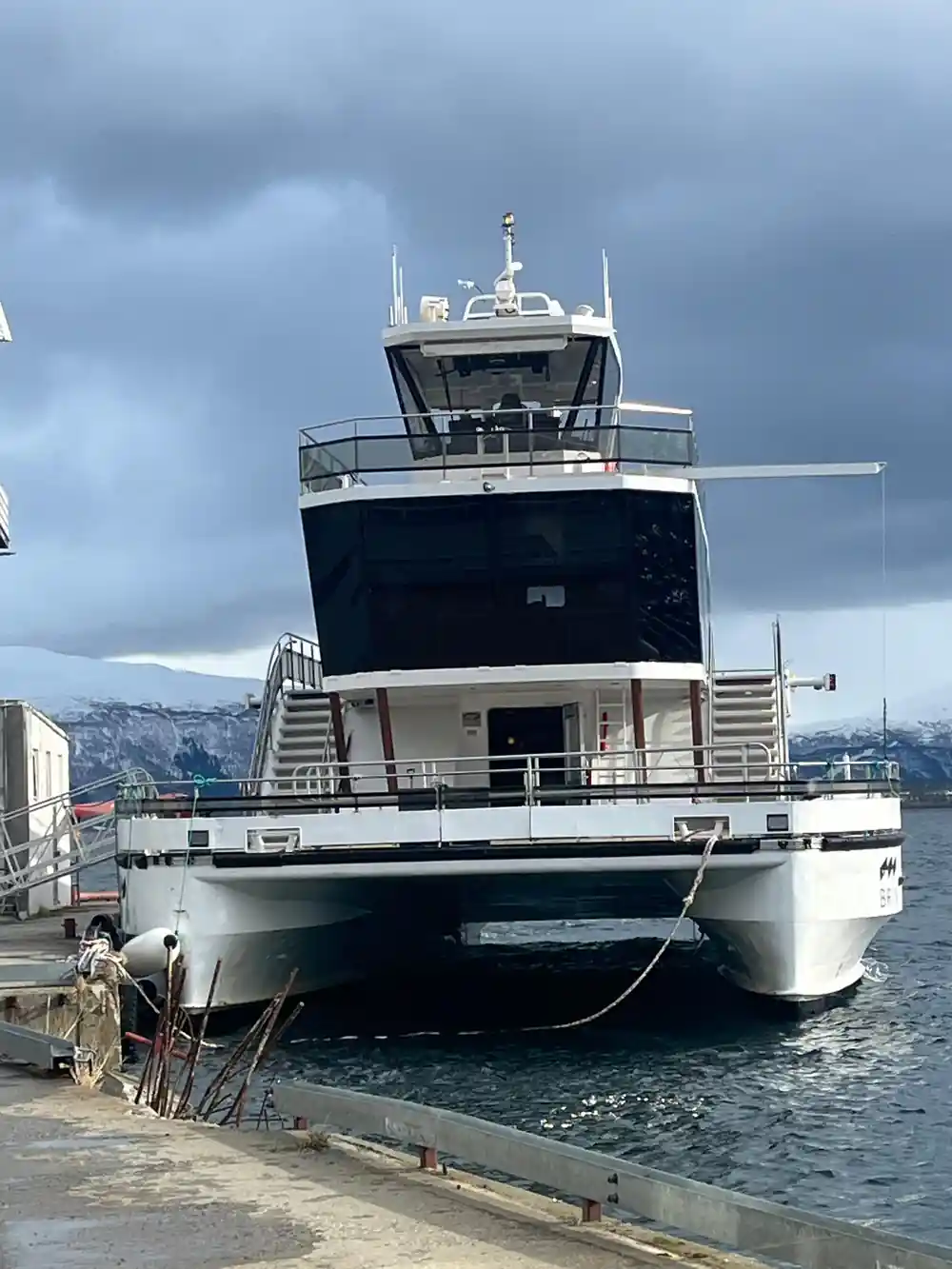
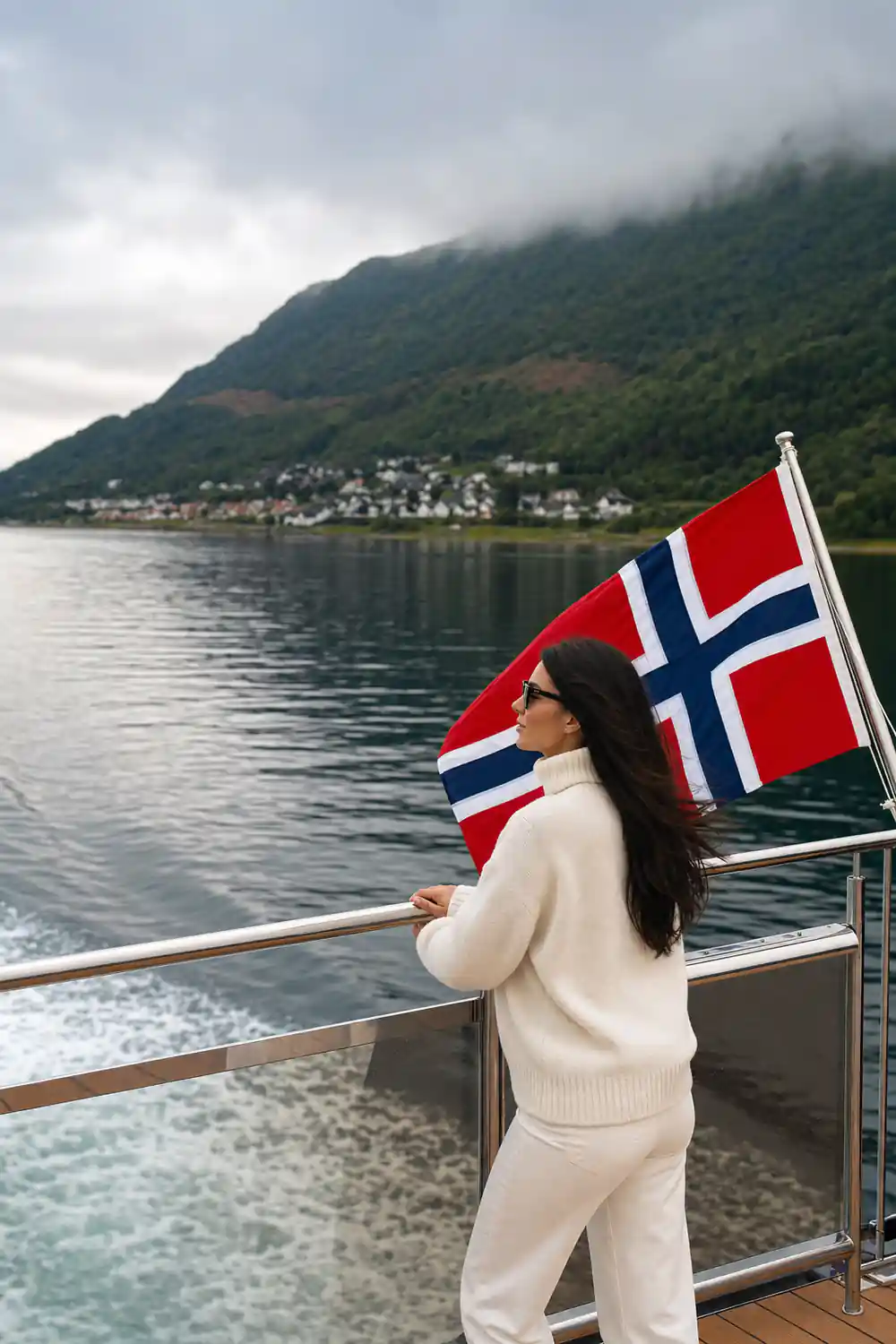
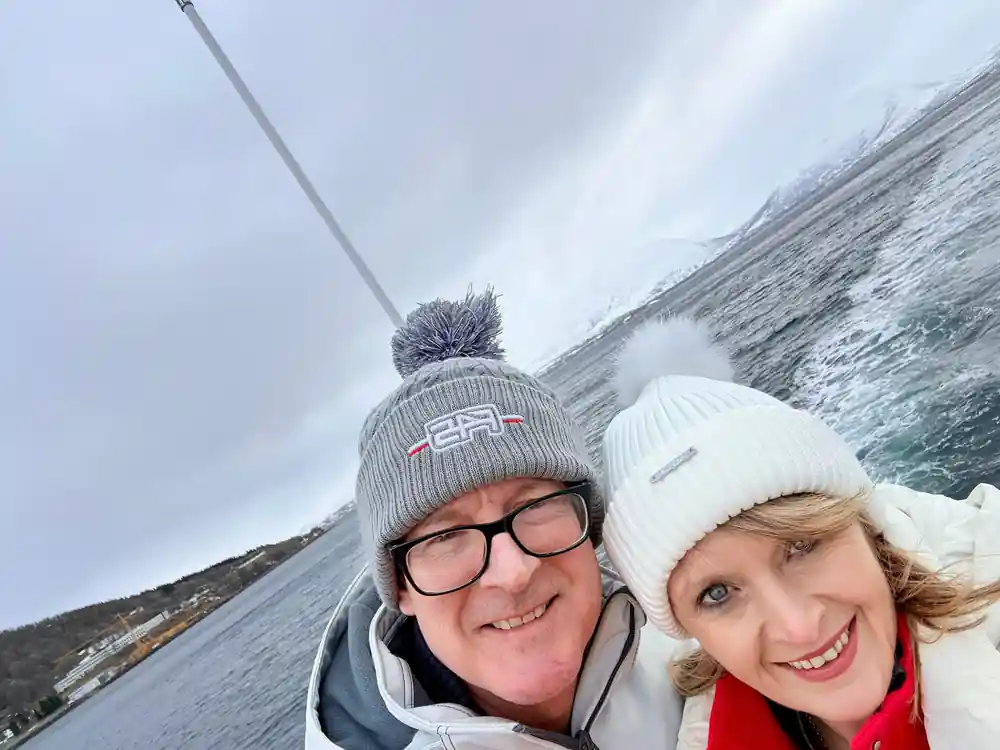
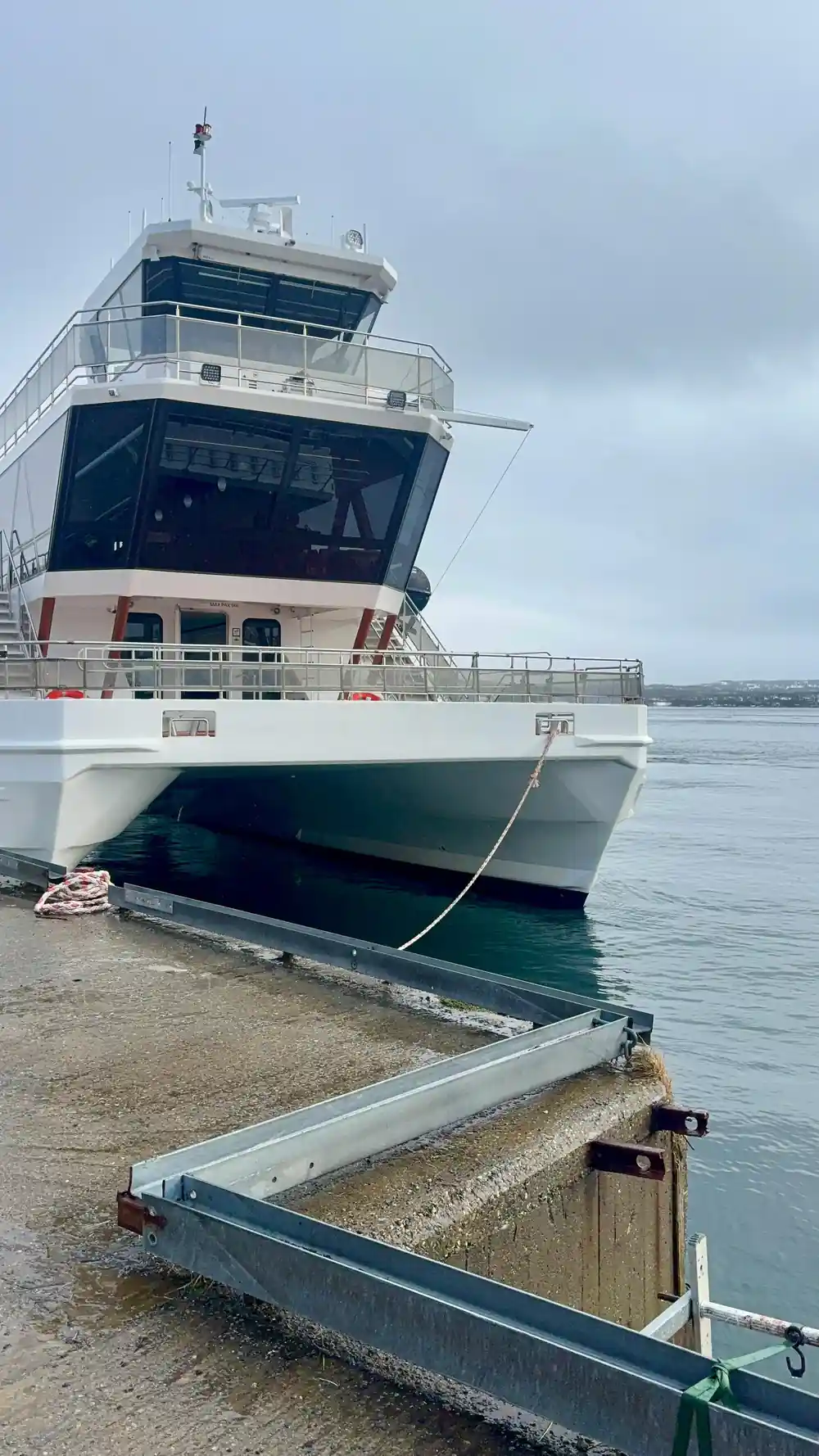
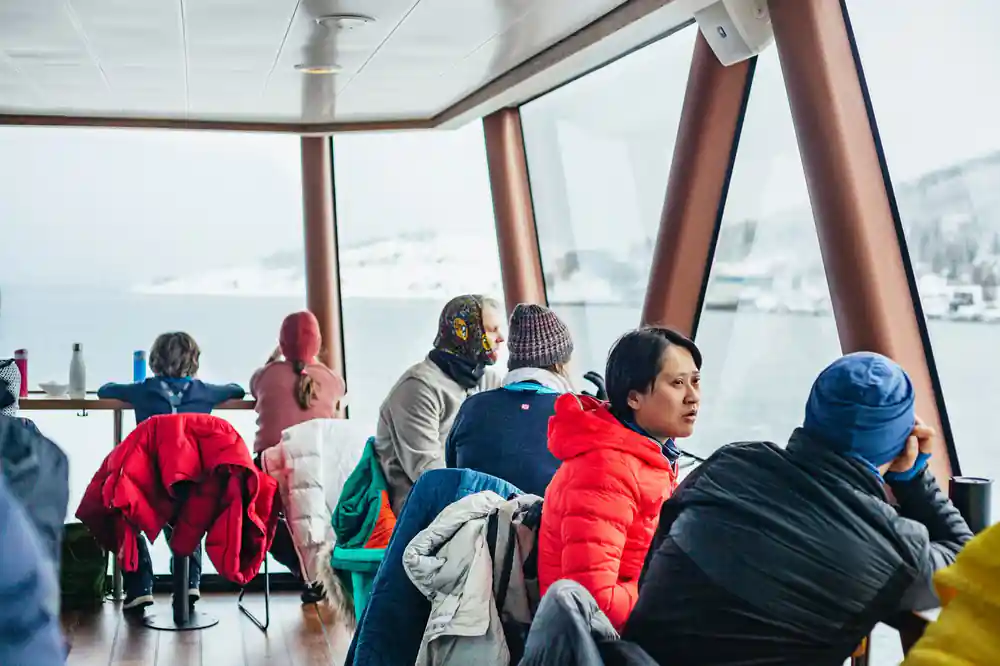
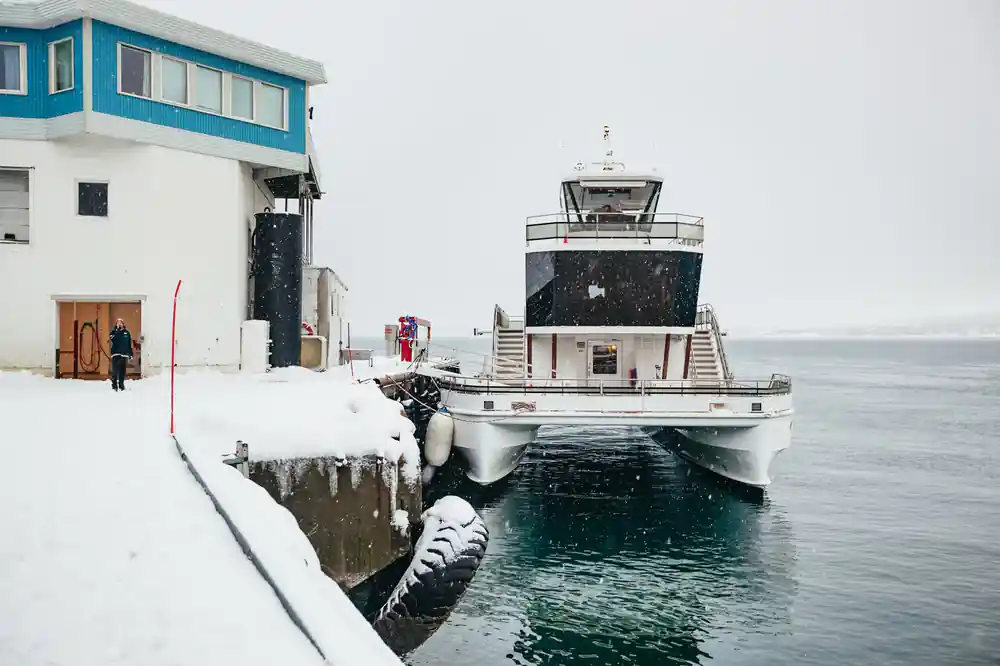
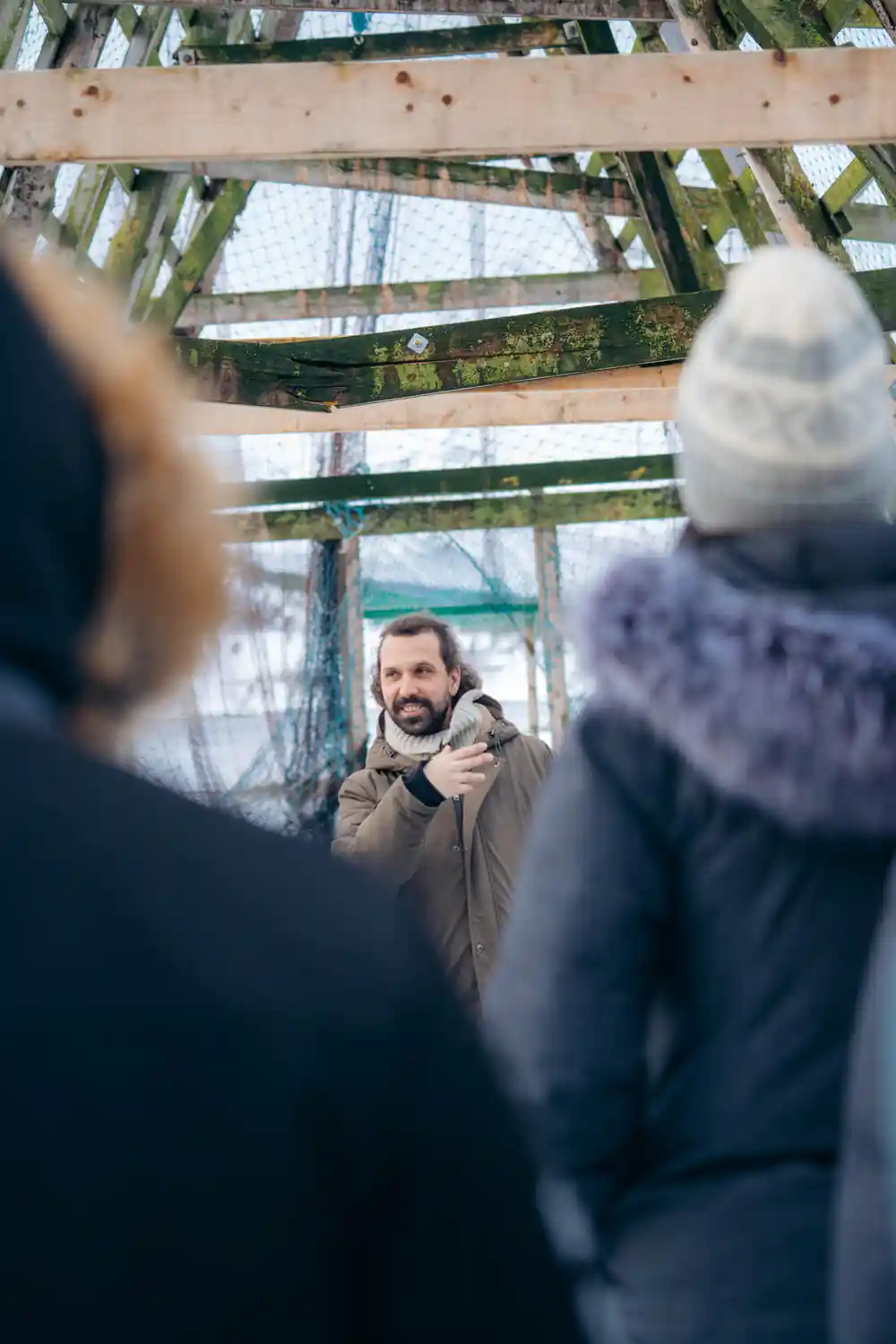
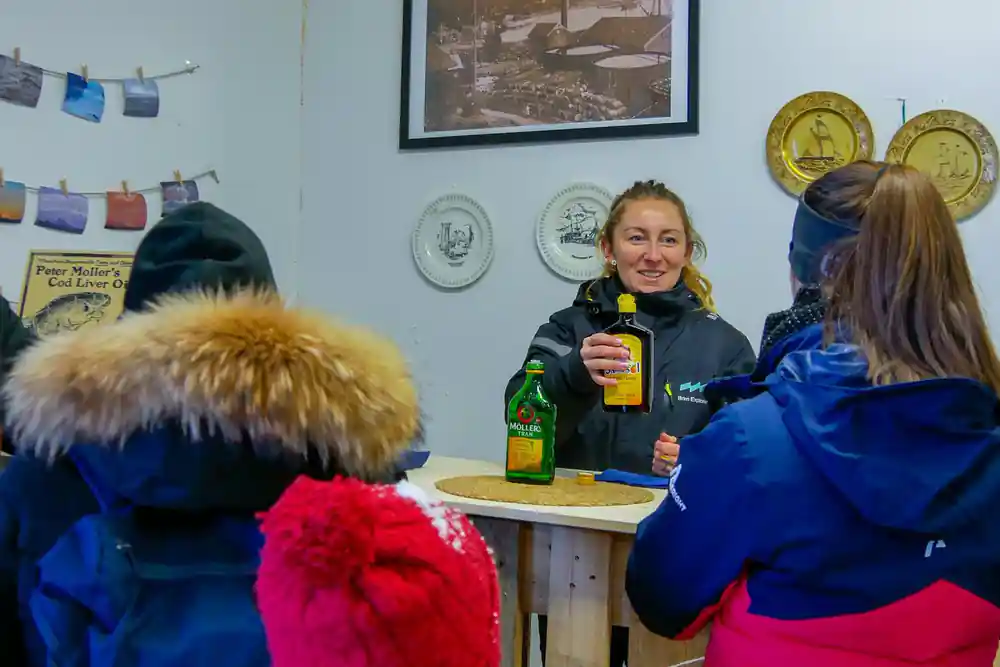
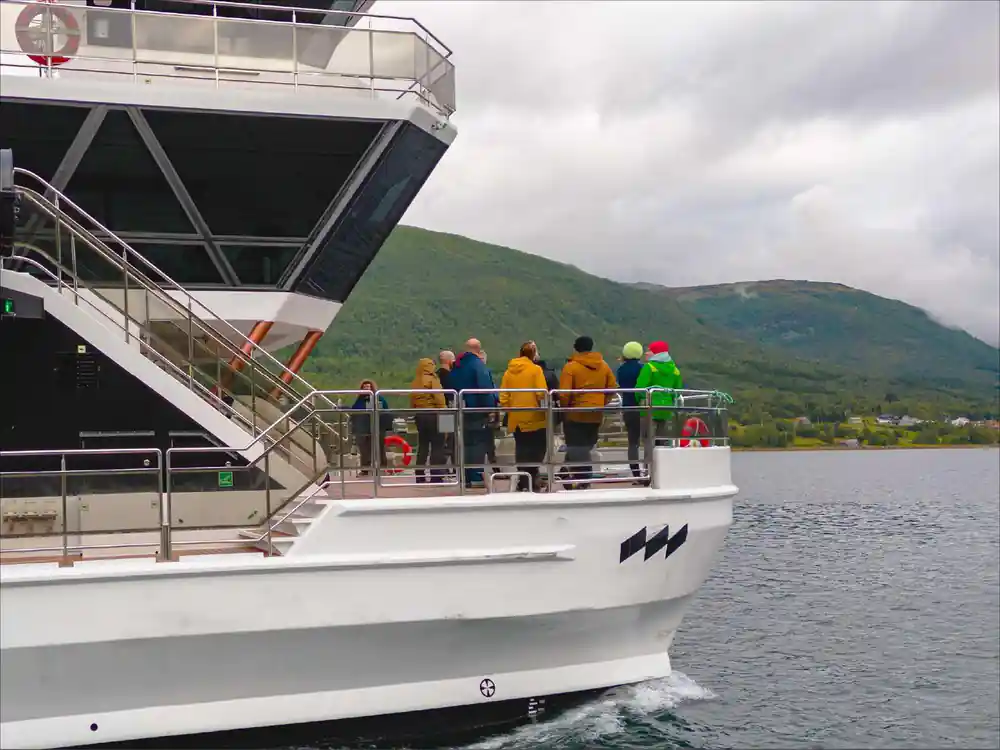
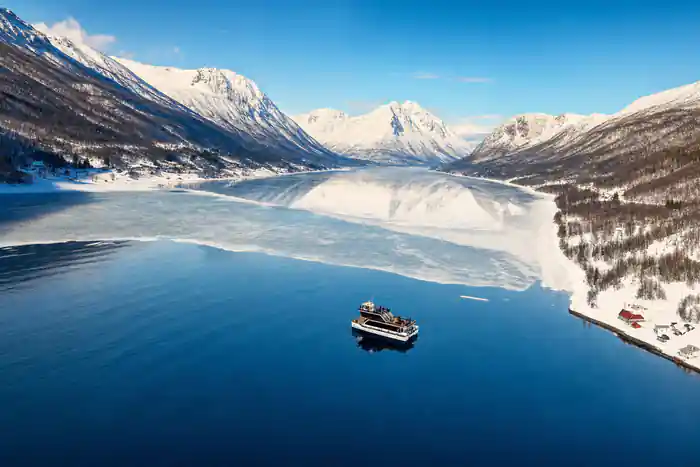
The catamaran itself is designed for northern waters and built to handle the conditions you'll encounter. Throughout the journey, a local professional guide shares knowledge of the region's history, geology, and marine ecosystem. You'll have access to an underwater drone on clear, calm days, which descends into the kelp forest below to reveal what lives on the seafloor. Most of your viewing happens from the open or sheltered deck, depending on weather, so dress warmly in layers even if conditions look mild from shore.
Marine and bird life you're likely to encounter
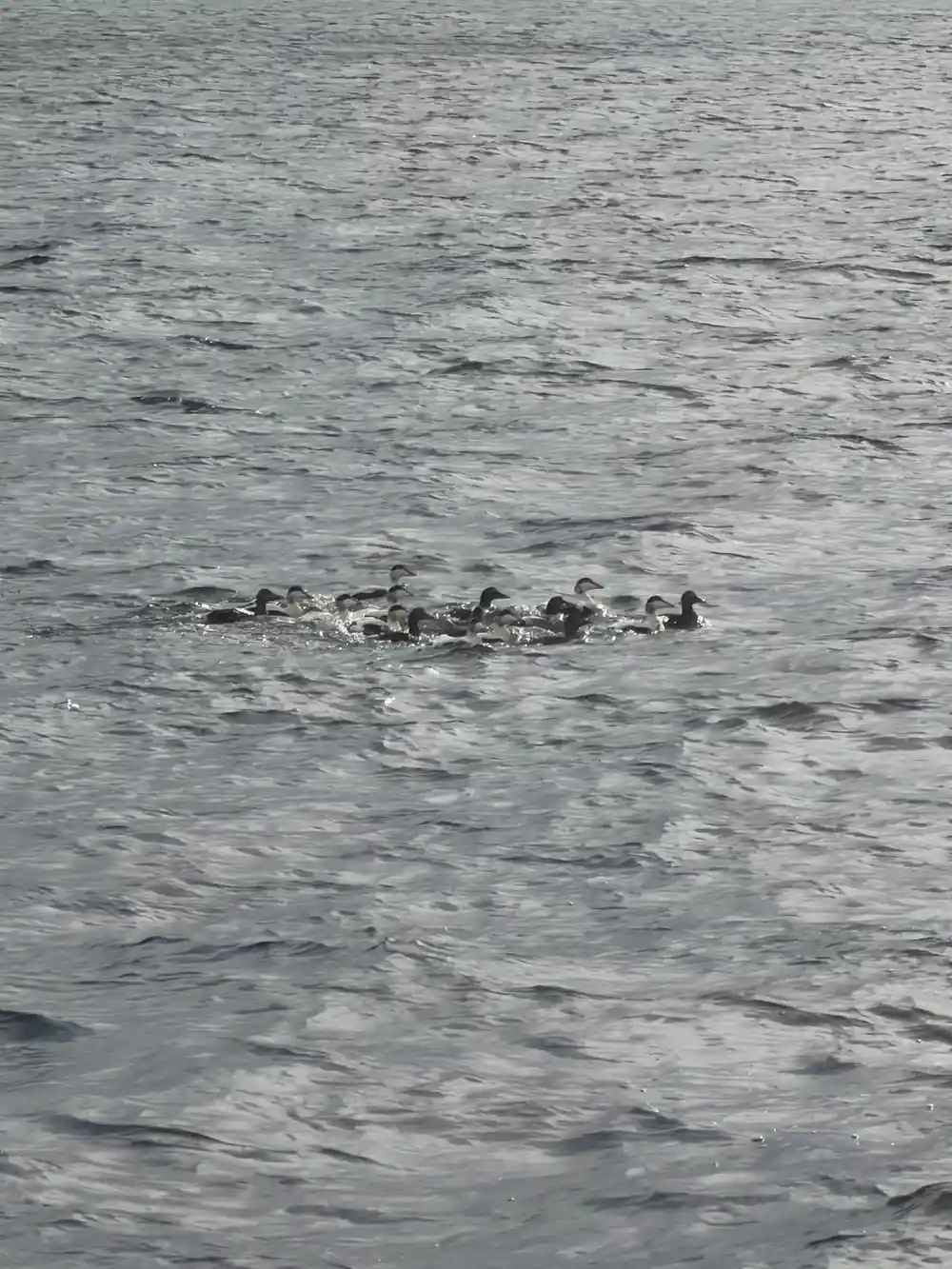
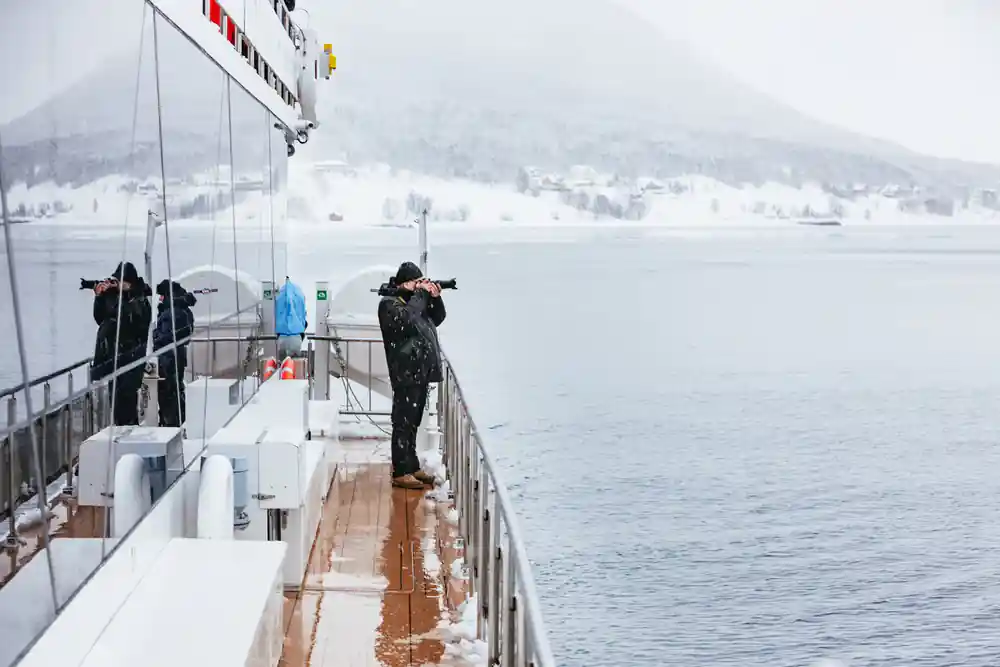
The waters around Tromsø support rich populations of fish, seabirds, and marine mammals. Eagles are a reliable sight on these routes, particularly white-tailed eagles that nest in the region and hunt fish from the air. Fish schools move through the fjords seasonally, and the guide will point out which species are active during your visit. Seals and porpoises appear often enough that the tour markets wildlife viewing as a core feature, though sightings are never guaranteed and depend on weather, time of day, and season.
The kelp forests visible from the underwater drone camera reveal a landscape most visitors never see. Kelp itself anchors to the seafloor and grows upward, creating shelter for smaller fish, crustaceans, and other organisms. This perspective shows why the fjords support such abundance in the water column above. Your guide can explain what the drone footage shows and how Arctic marine life adapts to cold, nutrient-rich waters.
Why this works as a day trip from town
Tromsø sits at 69 degrees north, and daylight availability changes dramatically by season. A four-hour cruise is long enough to feel immersive but short enough to fit into a single morning or afternoon. You can book this on the day you arrive, or slot it into a longer stay without disrupting other plans. The departure point is in central Tromsø, making it accessible for day trips from the city without requiring transport to remote trailheads or long drives.
Winter is prime season for day trips from Tromsø, as the Arctic night and clear skies create ideal conditions for seeing features like the midnight sun in summer or, in winter months, the northern lights if you stay out long enough after dark. A four-hour cruise on the water is manageable even if you've never been on a boat before, and the catamaran's stability means most people feel secure even in moderate swell.
The land stop at the fishing station
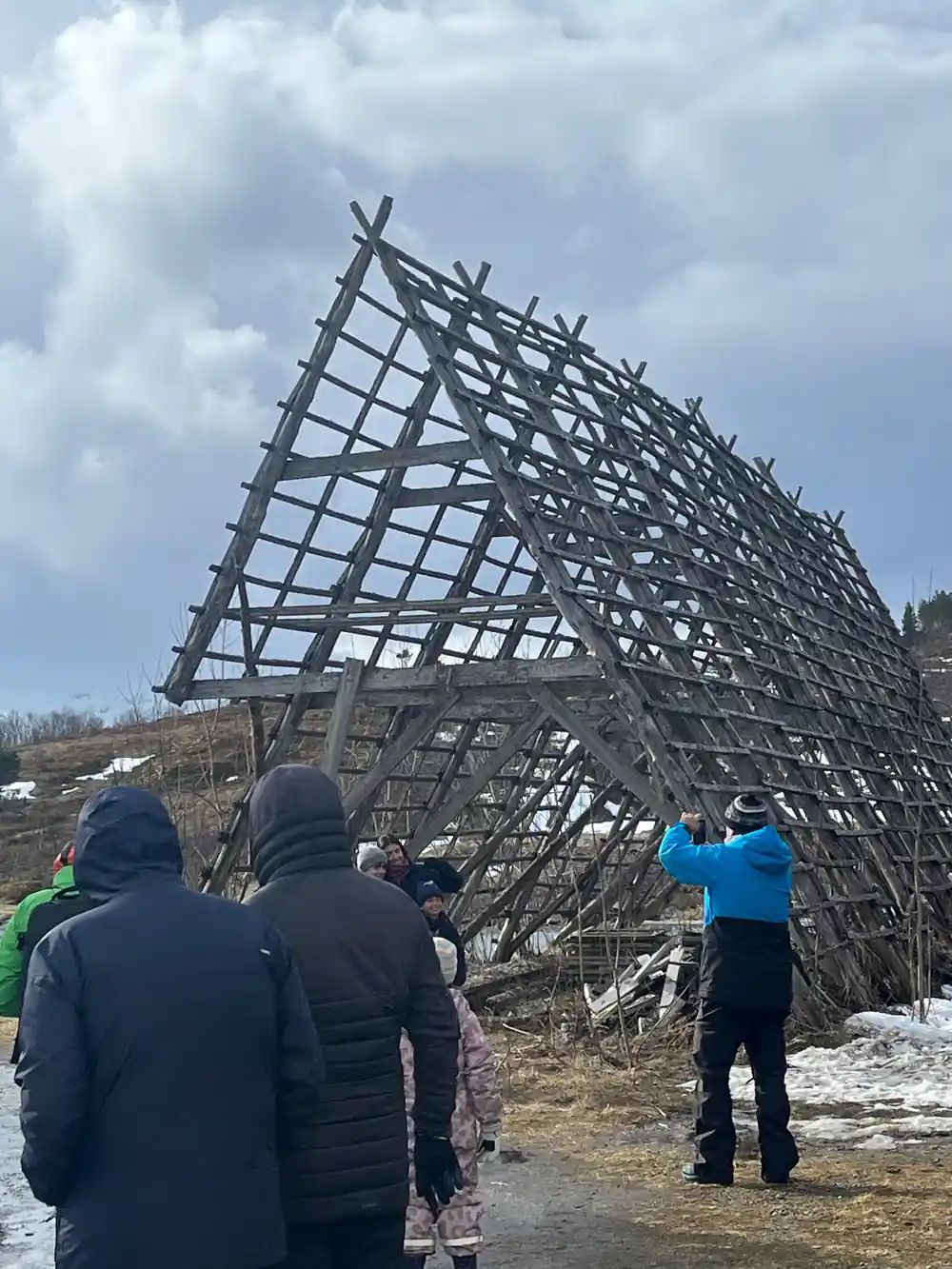
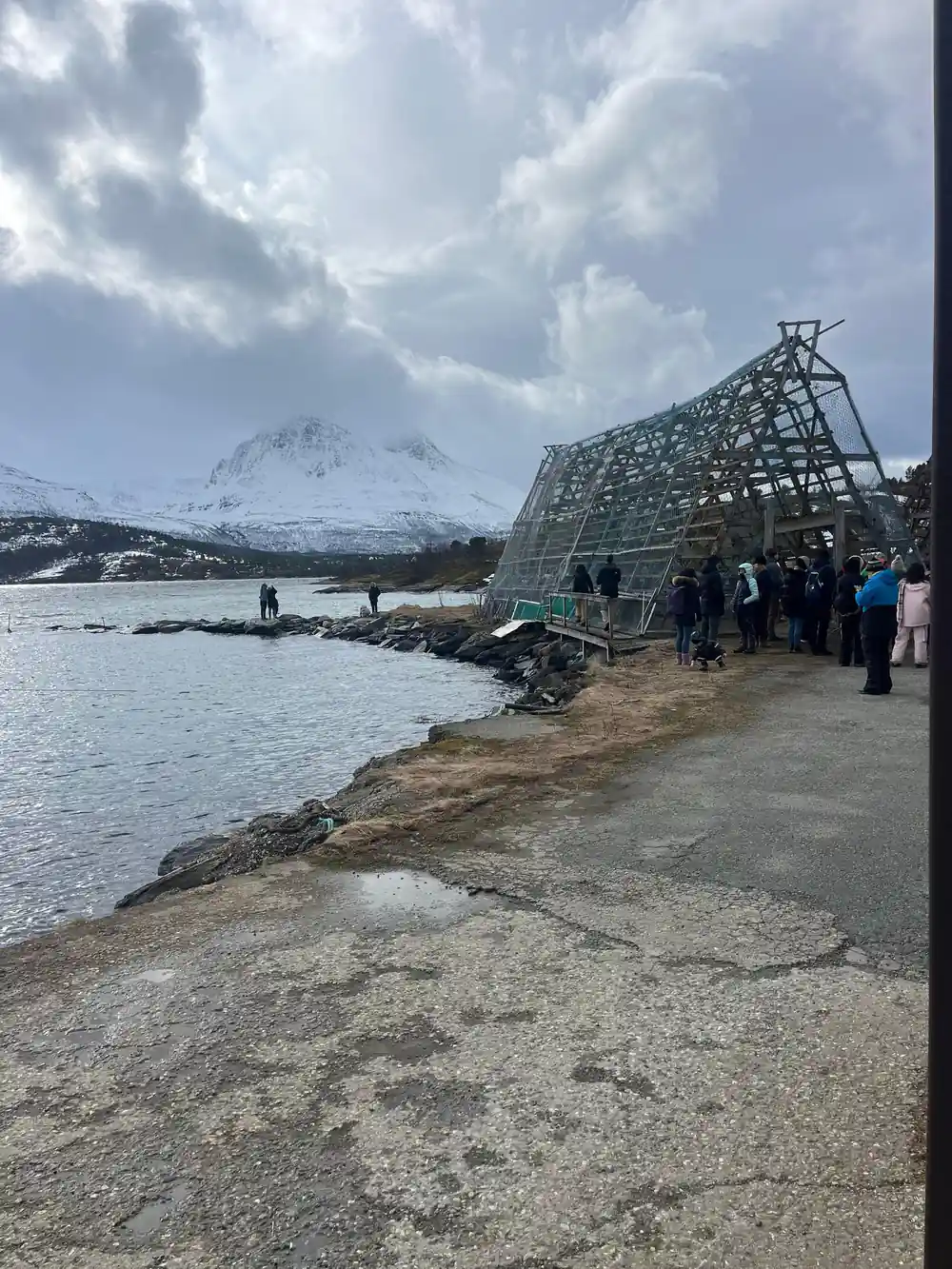
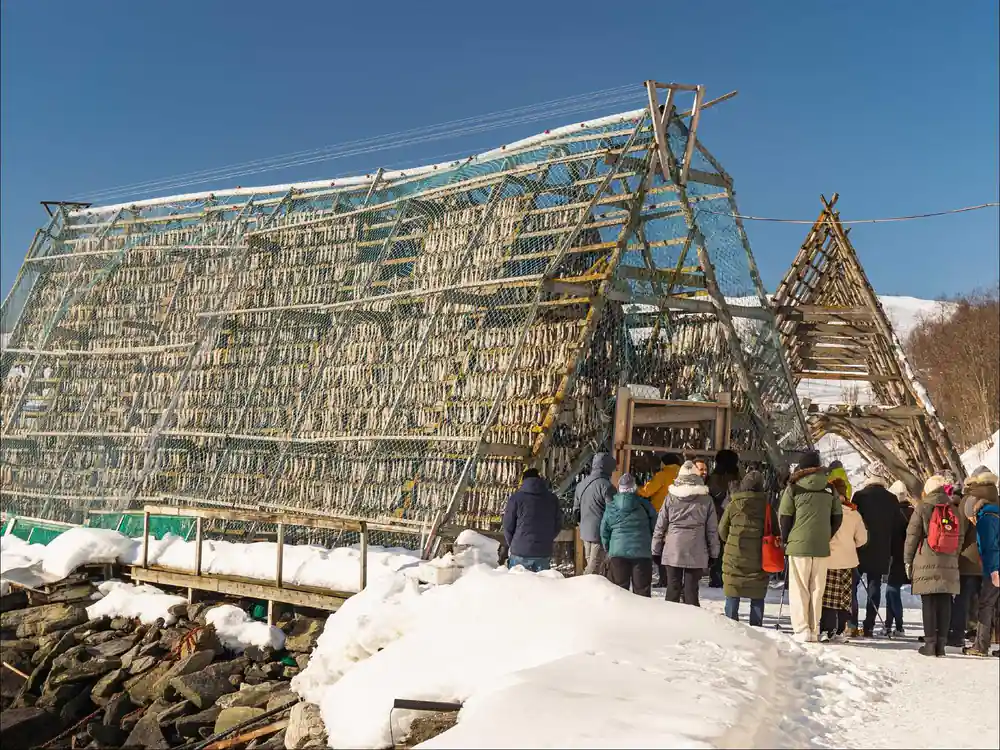
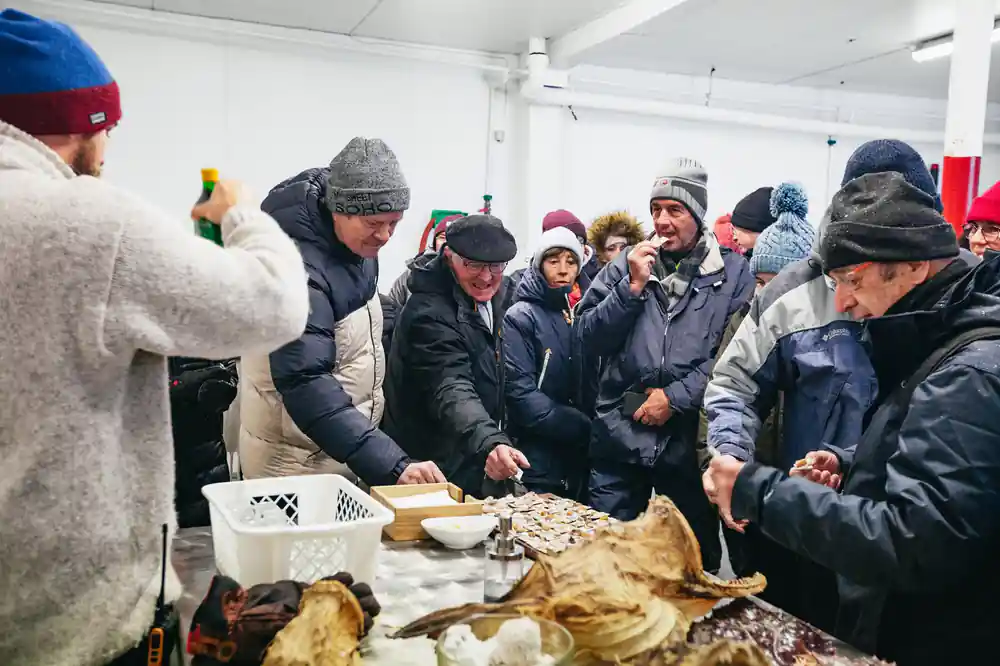
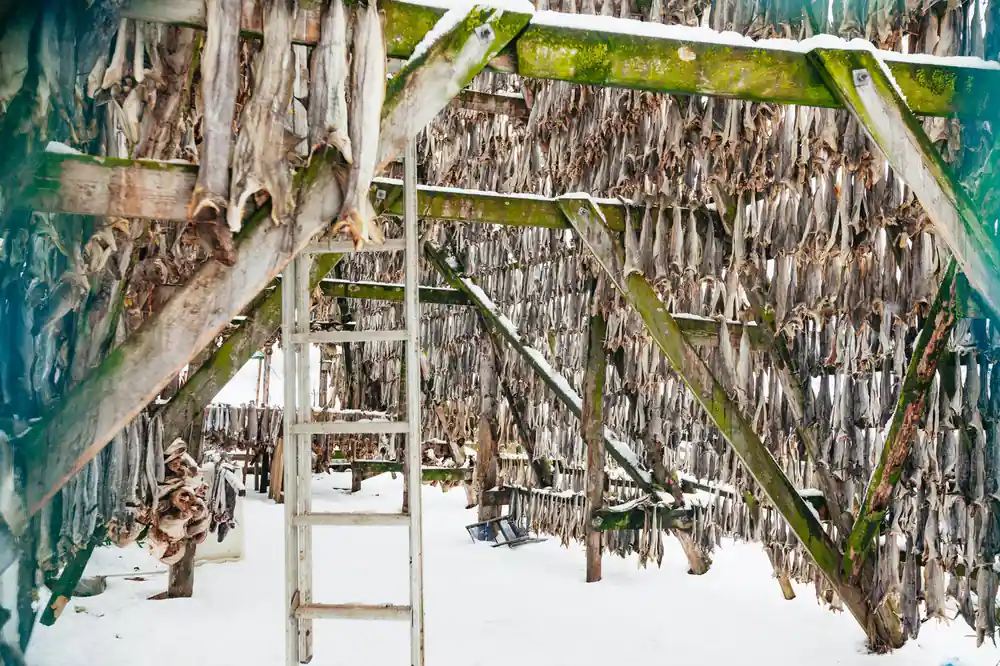
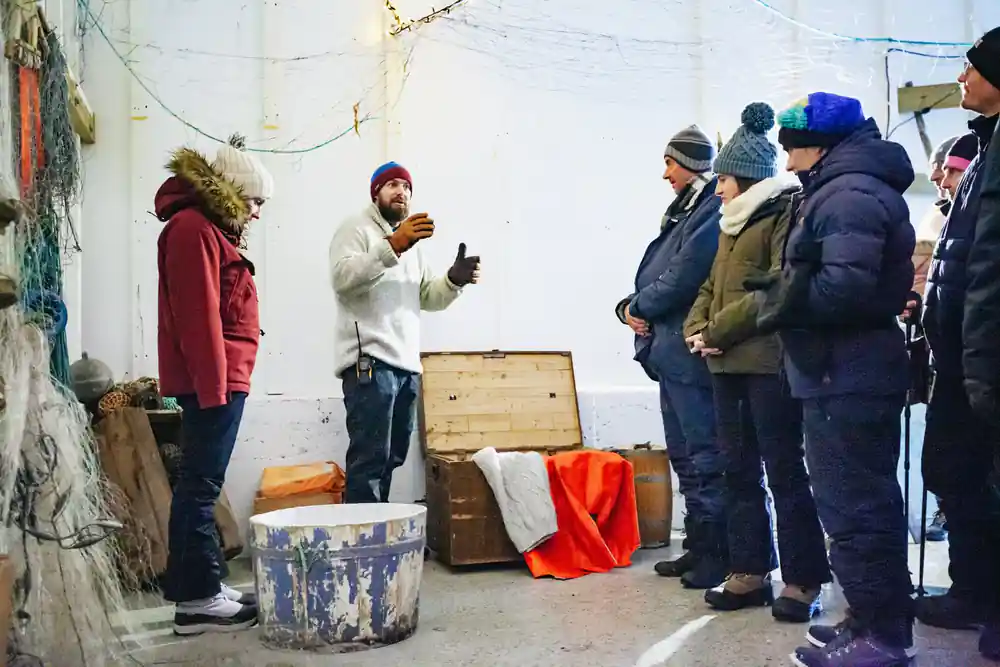
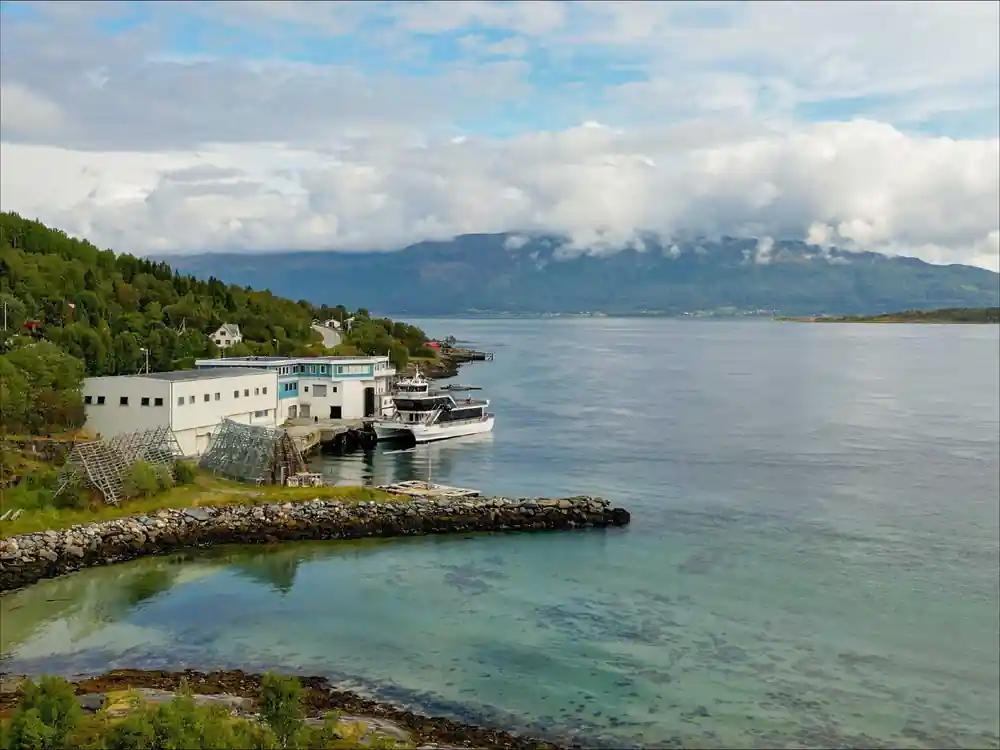
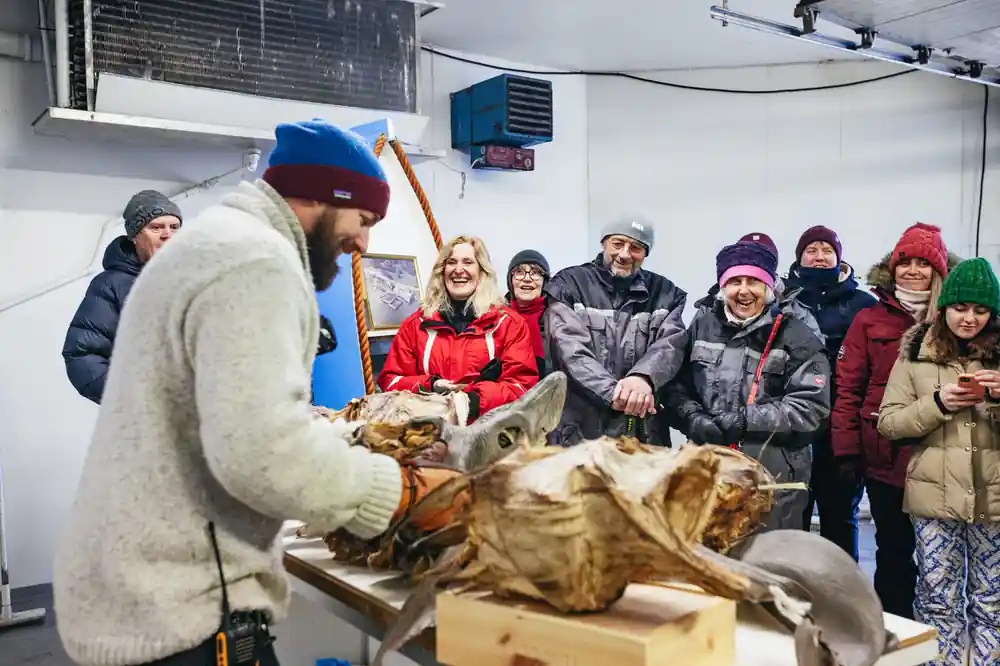
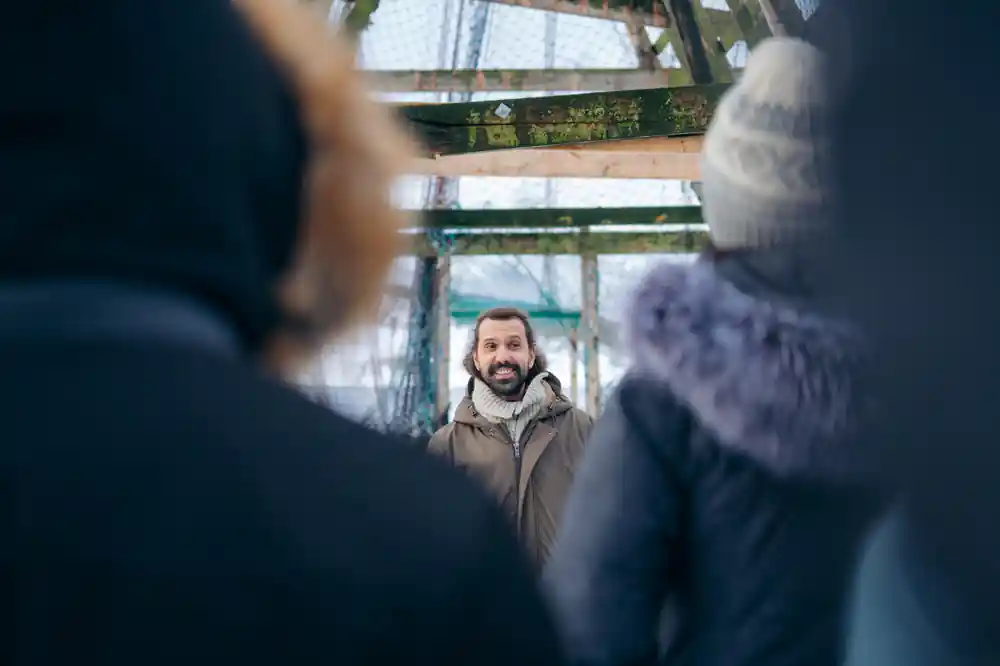
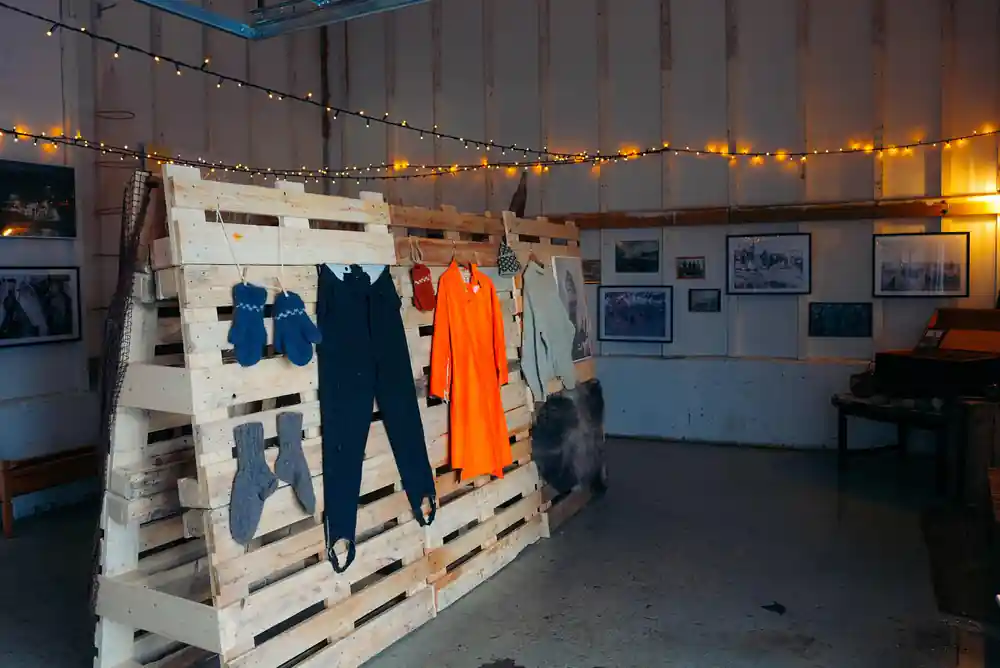
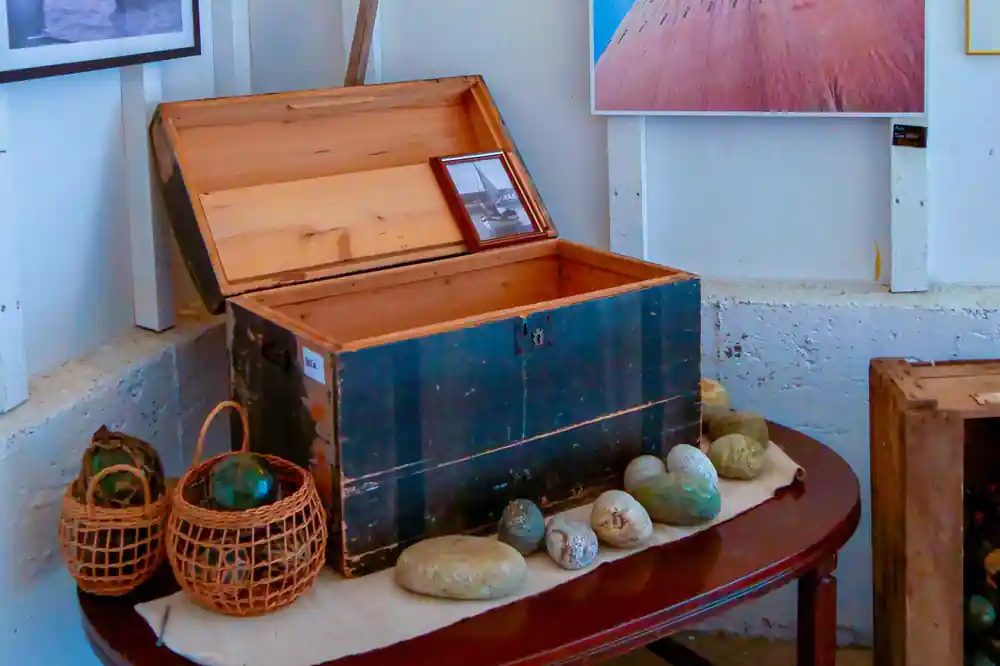
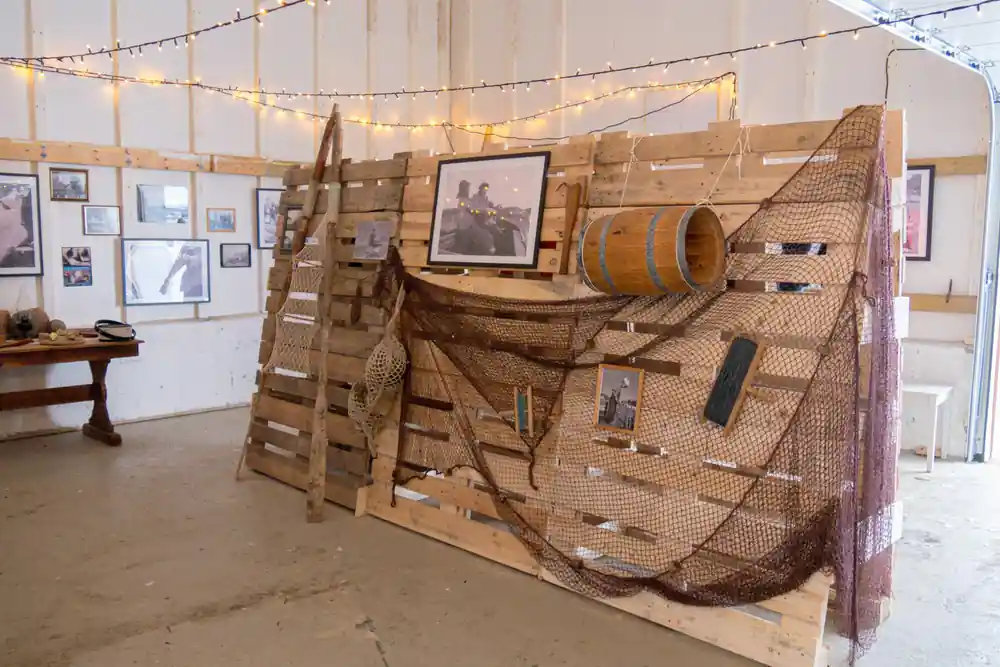
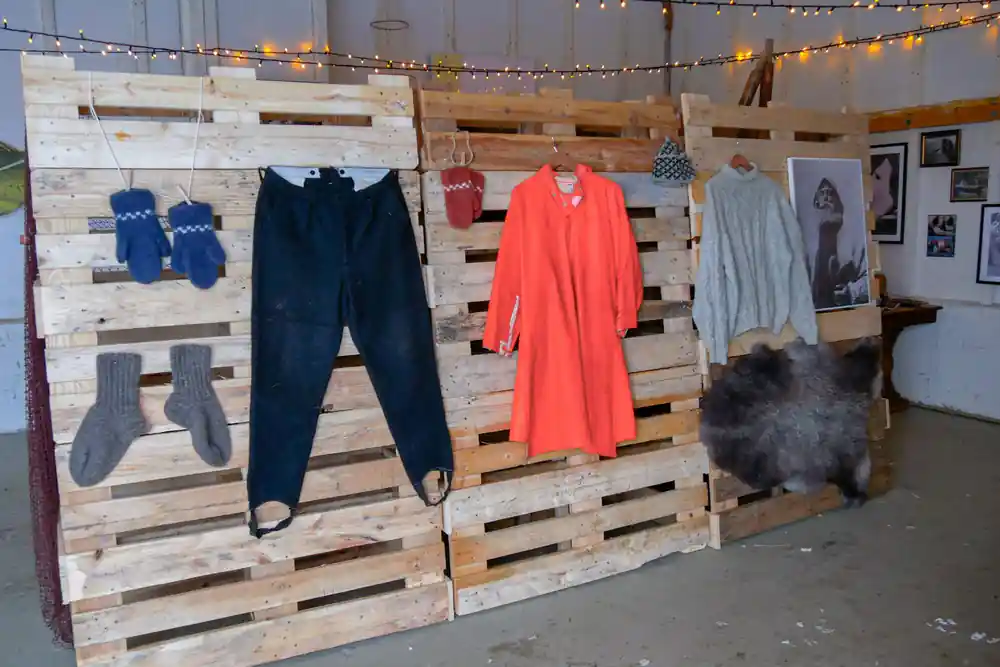
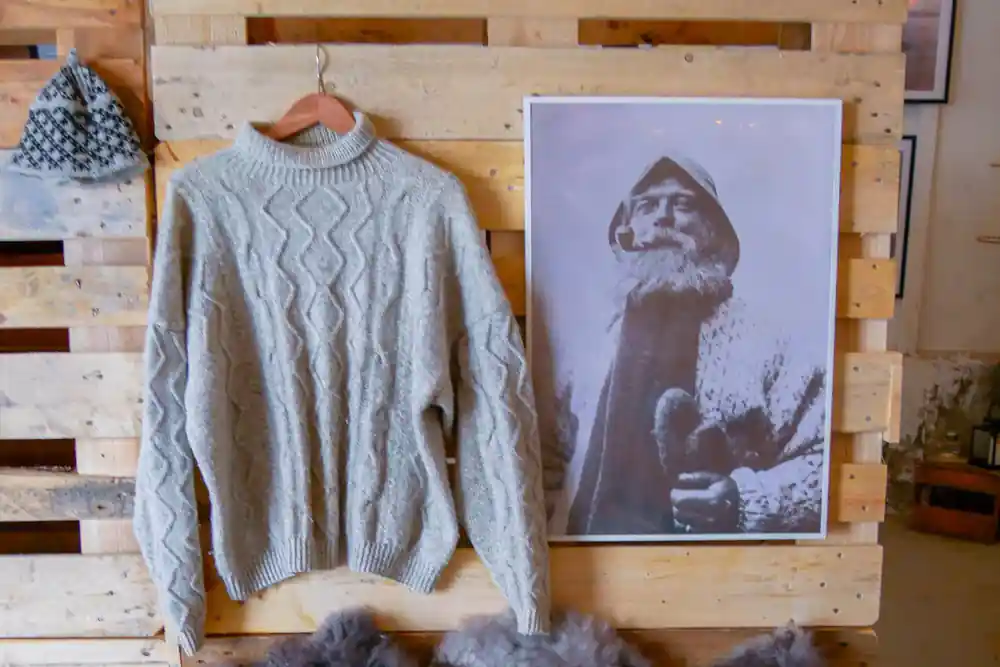
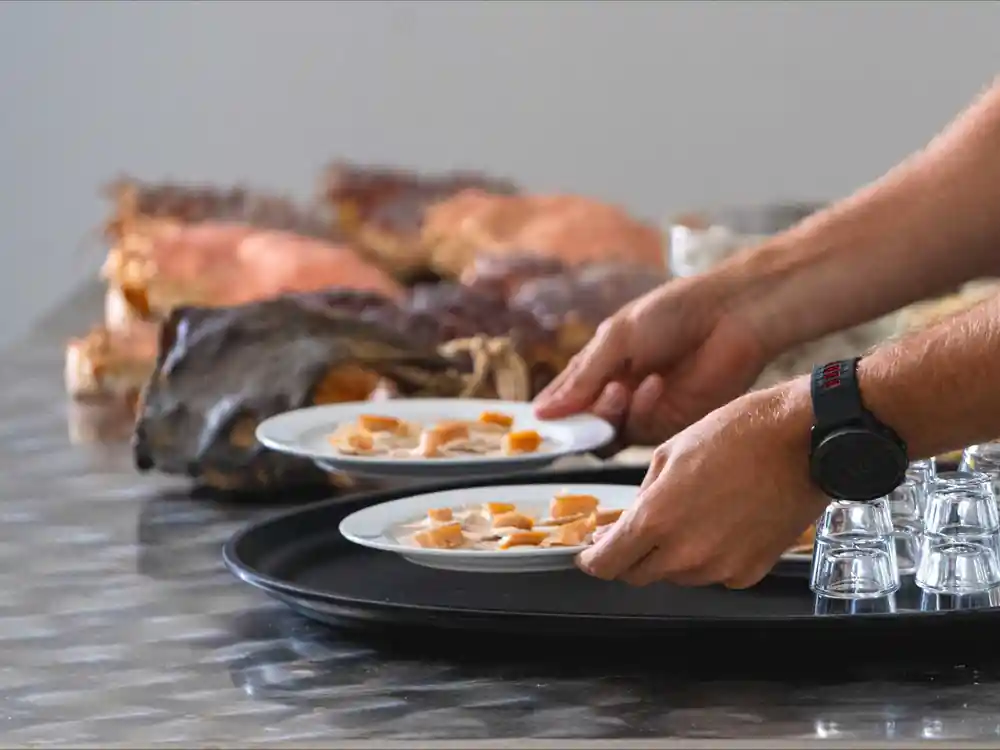
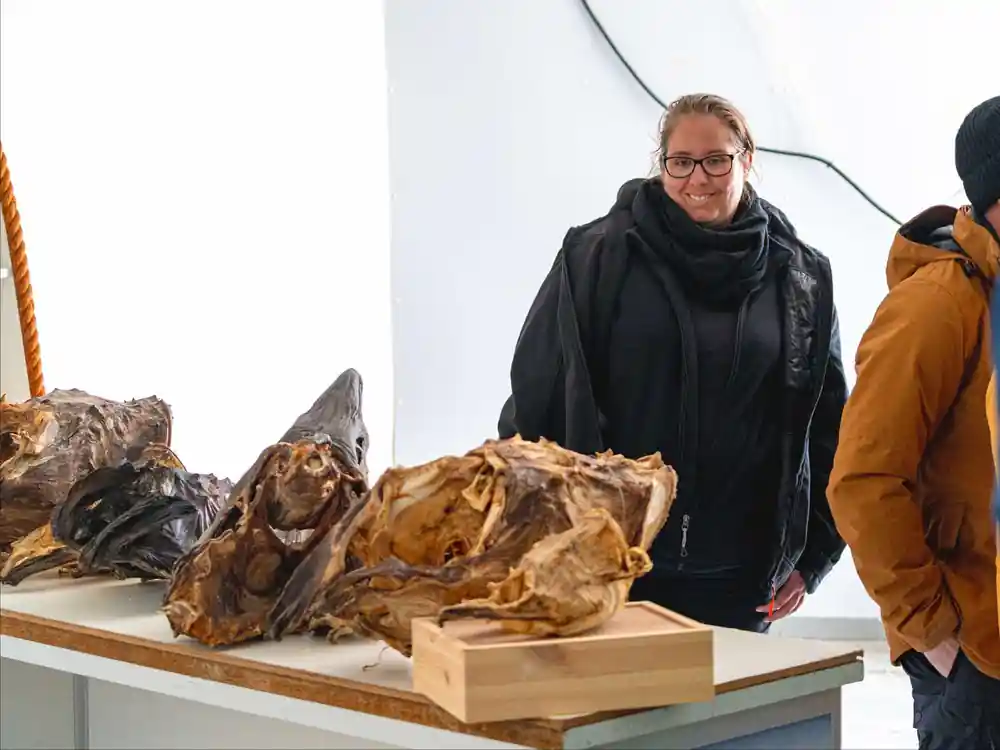
Partway through the cruise, weather permitting, the catamaran stops at a local fishing station. This is a working site where cod is still dried on wooden racks, as it has been for centuries. You'll disembark and spend time on the platform or shore, seeing the operation firsthand and learning how it functions within the Arctic environment. This interruption of the cruise rhythm gives your legs a stretch and provides a tangible connection to how people live and work in northern Norway.
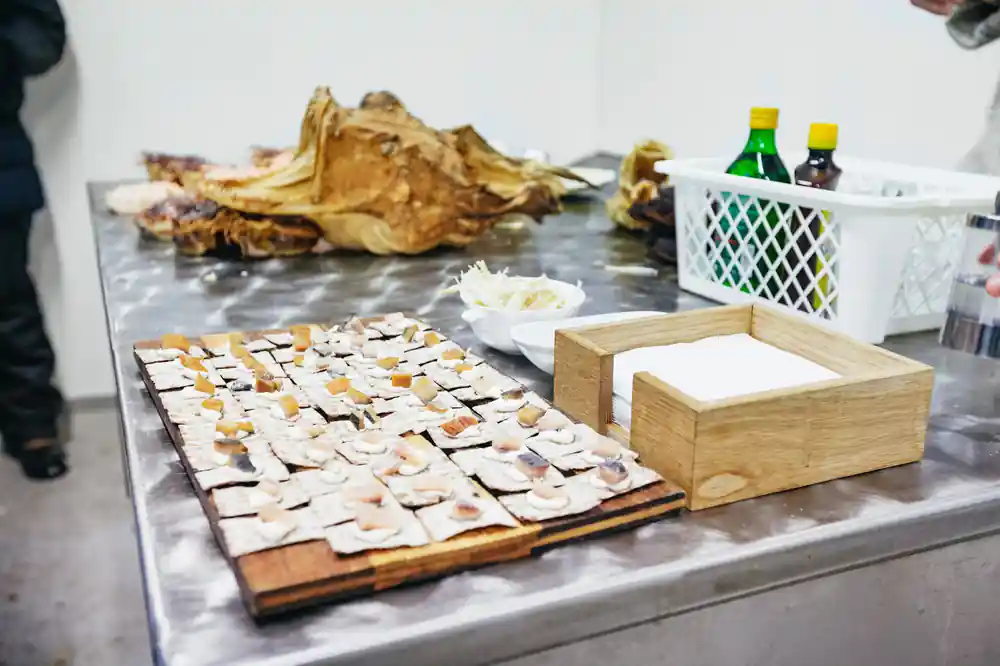
Dried cod is central to the Tromsø region's economy and identity. The guide explains the practices, challenges, and relationship between farming and wild fish populations. This stop transforms the tour from a scenic cruise into a cultural experience, showing how modern Arctic communities keep an old trade alive.
What's included and what to bring
Your tour includes a local professional guide whose expertise covers both the history of the region and the marine life around you. The underwater drone and its footage are included on days when conditions allow safe operation. The land stop at the fishing station is included, though again dependent on weather. The catamaran itself, with its seating and shelter, is part of the experience. Bring warm, waterproof clothing even if the forecast looks dry, as spray from the bow and wind chill are constant factors on the water.
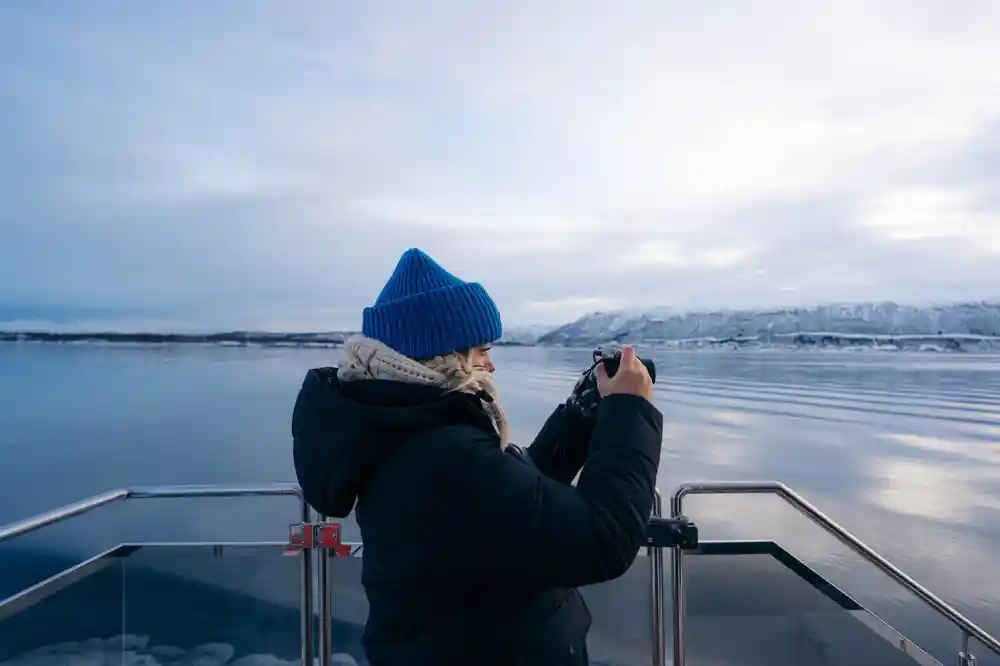
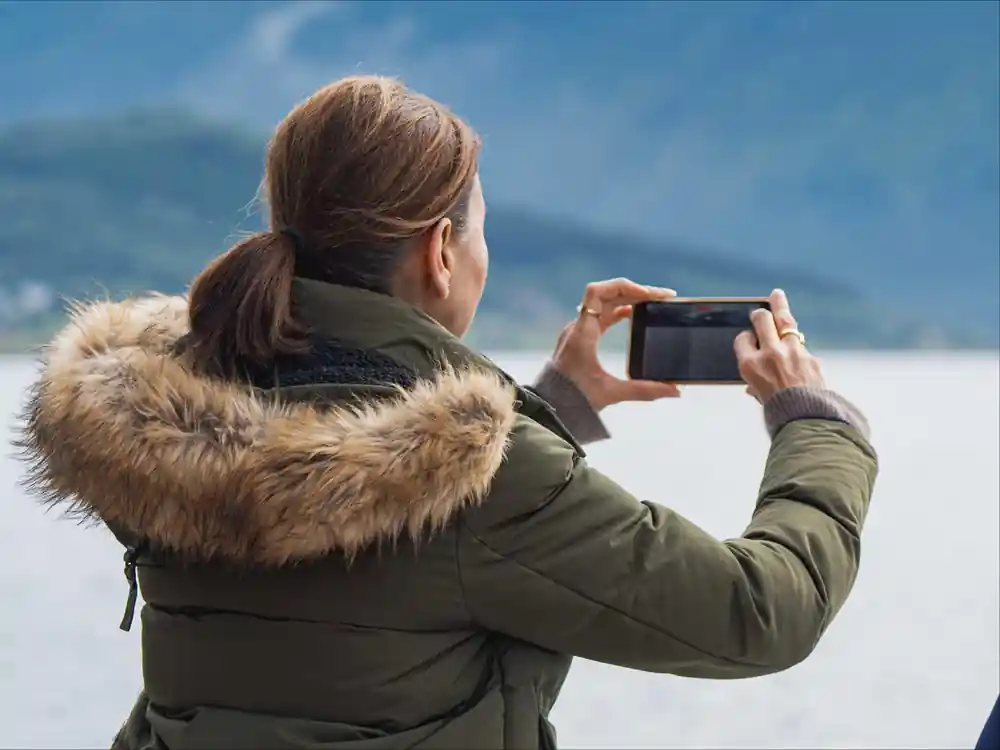
Water and some basic facilities are available on the catamaran, but you should plan accordingly if you have specific dietary needs or preferences. The four-hour duration means you won't need a full meal, but eating beforehand is sensible. Binoculars are helpful for spotting distant eagles and marine mammals, and a camera with good zoom will serve you well if wildlife photography interests you.
Seasonality and what to expect by time of year
This tour operates year-round, but the experience shifts with the seasons. In winter, darkness dominates and stars or the northern lights may appear on clear evenings. In summer, the midnight sun means daylight lasts nearly all day. Spring and autumn bring milder weather and active migration periods for seabirds. Each season brings different wildlife patterns, so what you see in January differs from what appears in July. The guide's knowledge helps you understand these patterns and maximize what you notice.
Winter cruises are the most popular, drawing visitors specifically for the combination of fjord scenery and potential northern lights. Spring through autumn appeals to those seeking continuous daylight and stable weather. Check the guide's notes on current sightings to get a sense of what's active during your planned visit date.
Who this tour suits best
This cruise works well for anyone with a few hours free and an interest in northern nature. You don't need hiking experience or extreme fitness; the boat does the work. Families with children old enough to sit safely on a boat find it accessible. Solo travelers appreciate the guide's commentary and the company of other passengers. People new to the Arctic benefit from the guide's explanations of how the ecosystem functions. Photographers seeking wildlife and landscape images will find plenty of opportunities, particularly on calm days when visibility is best.
The four-hour duration makes it suitable for visitors on tight schedules and those who want a genuine experience without a full-day commitment. If you're interested in Arctic ecosystems, the stockfish trade, or simply want to be out on the water seeing eagles and fjords, this tour delivers on those priorities.