At a glance
- September through March offers your best chance to see northern lights from the catamaran deck during Tromso excursions winter sailings.
- October to January brings humpbacks and orcas into Ramfjorden and nearby waters, making these months prime for marine life encounters.
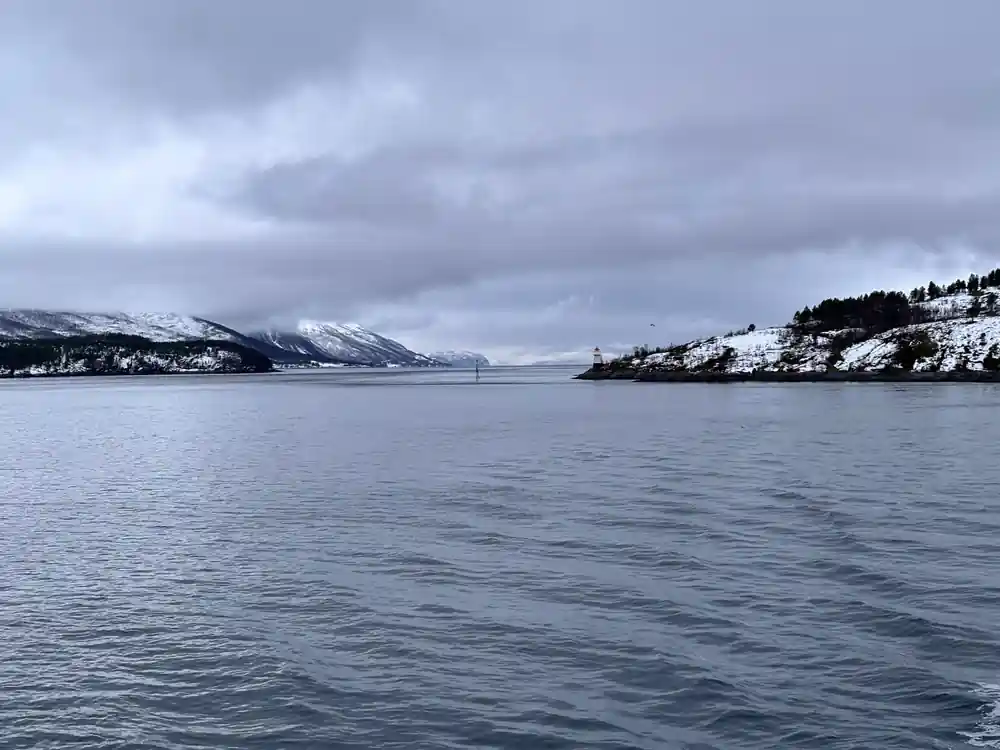
- November through April showcases snow-capped mountains in good daylight, with clearer skies typically in late winter and early spring.
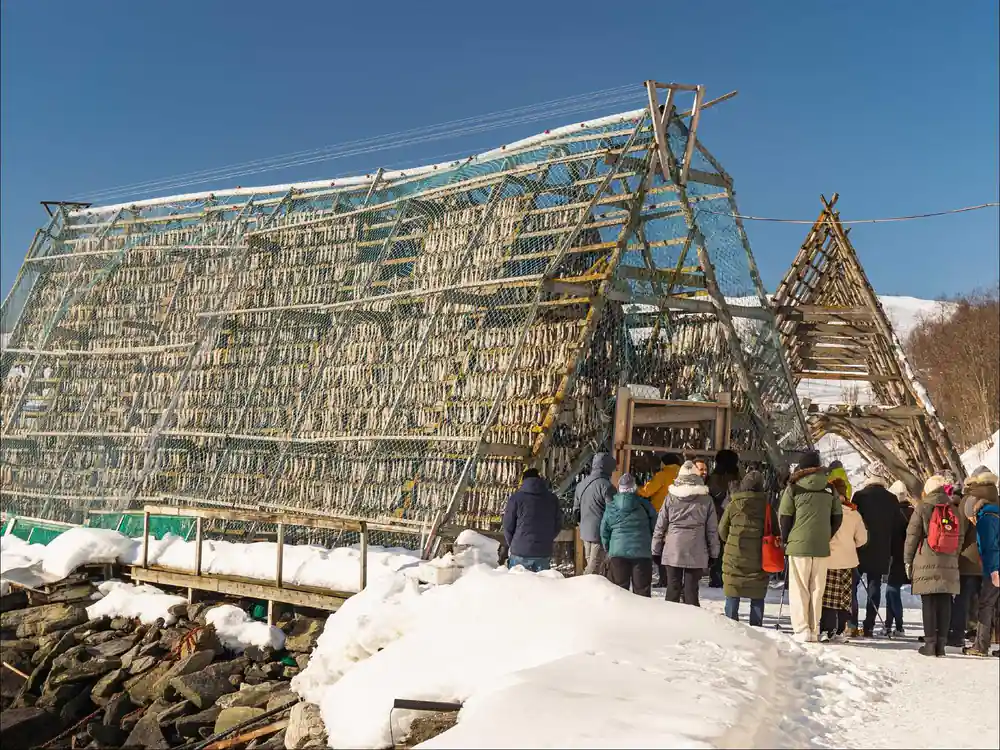
- Weather conditions determine whether you reach the fish racks during your journey, with calmer seas more likely from May through September.
- The underwater drone explores beneath the surface most reliably during stable weather windows in summer and early autumn months.
Polar Night and Aurora Hunting
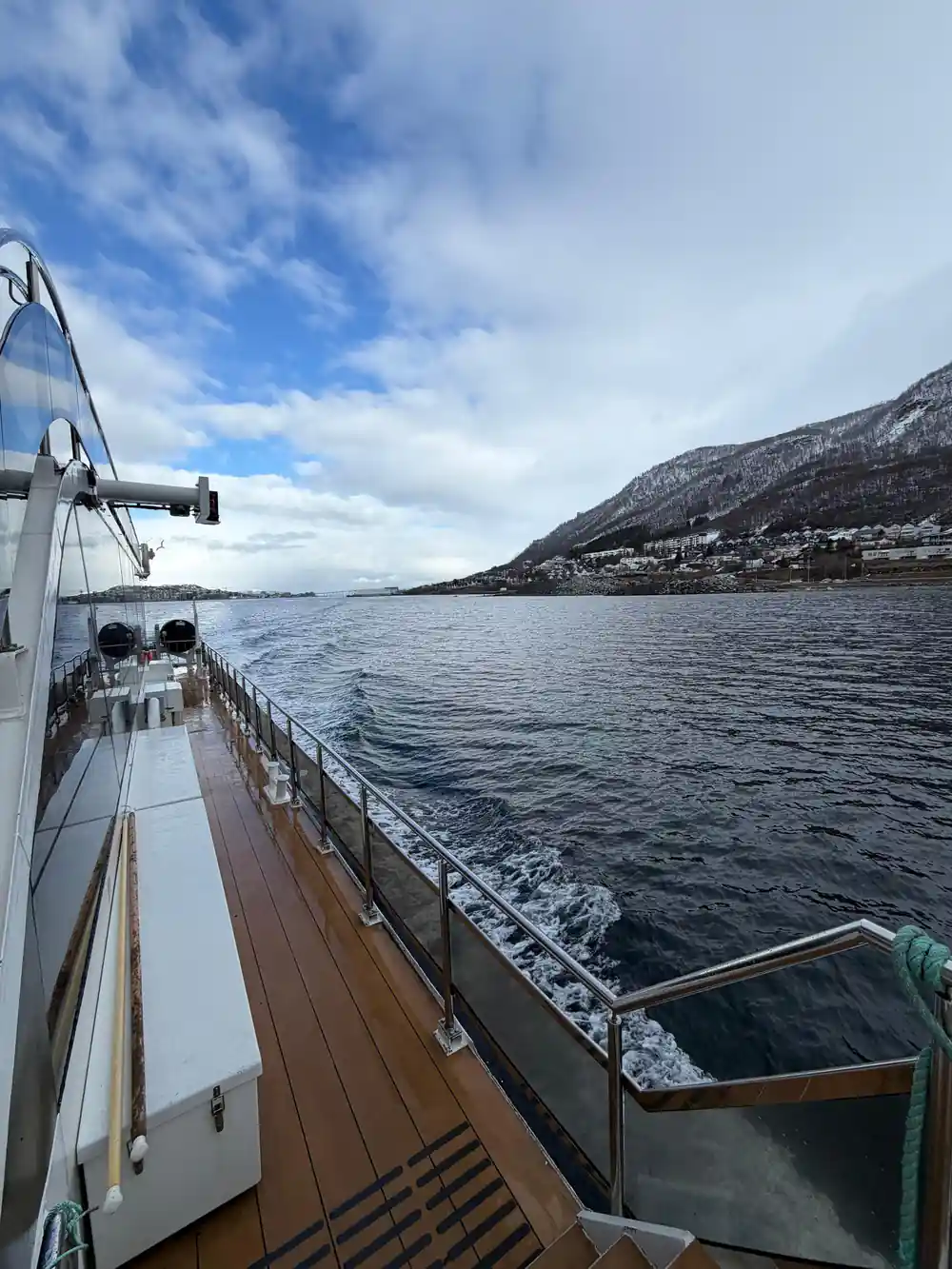
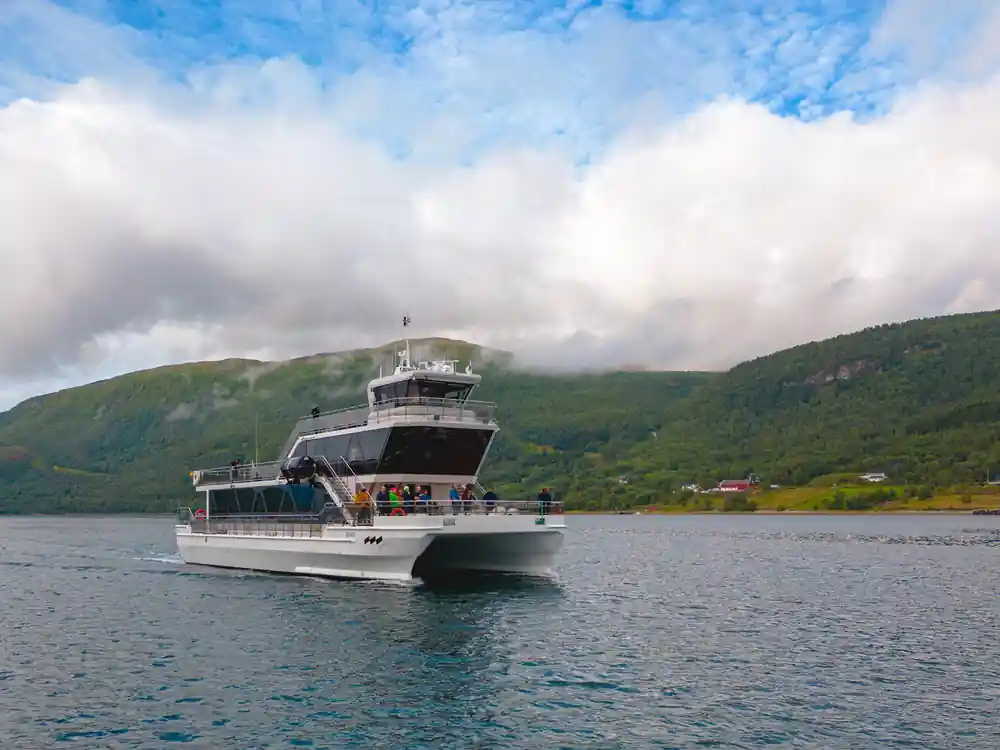
From November through January, Tromsø enters the polar night, when the sun dips below the horizon for weeks at a time. This darkness creates the perfect backdrop for chasing the northern lights from the catamaran's deck. The clear, moonless nights of December and early January offer the longest viewing windows, with aurora displays potentially visible for hours as the vessel cuts through Ramfjorden and past Store Grindoya. While no aurora is guaranteed, the months of November, December, and January statistically offer your best chance of witnessing this phenomenon during a fjord cruise.
Winter seas in this season run cold and can be rough, which affects both the fish-rack landing and the underwater drone deployment. The weather must be particularly stable for the catamaran to safely approach the local fishing station on land. The kelp forest exploration with the underwater drone becomes increasingly difficult in choppy conditions, so calm days in late November and early January tend to yield better results than the more volatile mid-winter weeks. Come prepared for extreme cold and dress in multiple layers, as you will be exposed on deck for extended periods during night cruises.
Late Winter Whale Migration and Returning Light
February and March bring a dramatic shift as humpback whales and orcas move into the Norwegian fjords to feed on the abundant herring schools. During these months, wildlife viewing from the catamaran reaches peak excitement, with marine mammals frequently spotted near Rystraumen and around the deeper channels. The return of daylight also transforms the experience. By late March, the sun climbs higher each day, providing better visibility for photography and a less demanding physical toll after hours on deck. The combination of active whale season and increasing daylight makes this period one of the most rewarding for visitors seeking both wildlife encounters and reasonable comfort.
Weather in late winter remains unpredictable. February typically sees more stable conditions than January, though snow and fog can still obscure views. This unpredictability directly impacts whether the fish-rack landing will proceed as planned. A calm February day might allow full access to the working fishing station, while a gusty morning could force the captain to skip the land stop for safety. The underwater drone is similarly weather dependent. When conditions permit, the kelp forest imagery captured in February and March benefits from slightly better light penetration than winter months, though the water remains quite cold and murky by temperate standards.
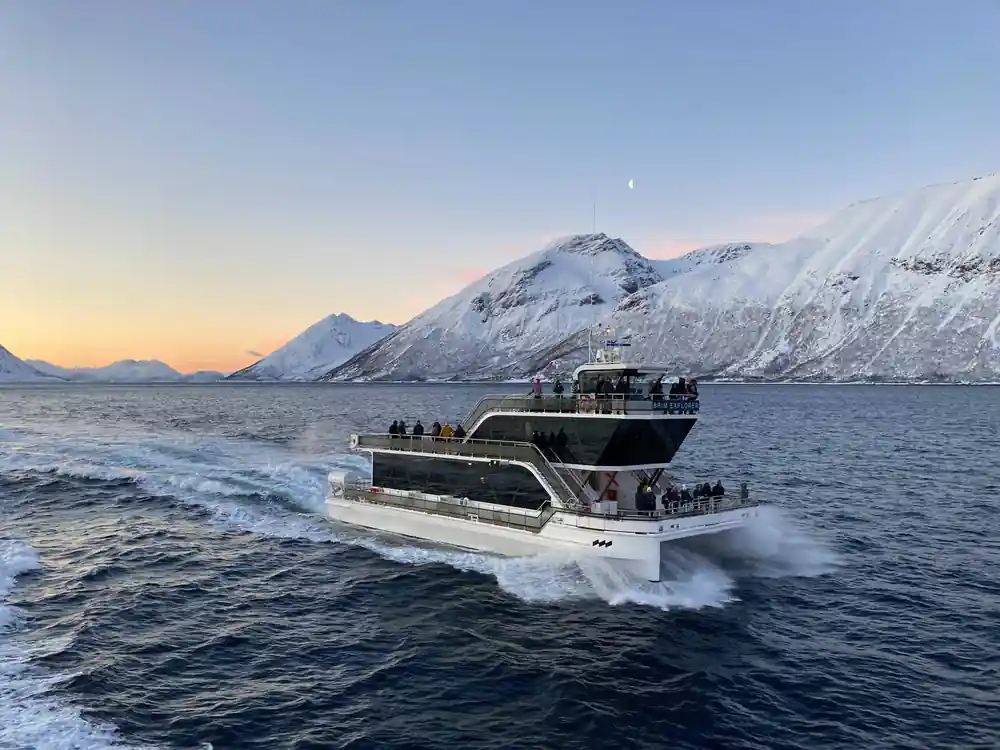
Midnight sun bathes Arctic fjords in continuous summer glow
Spring Light and Snow-Capped Peaks
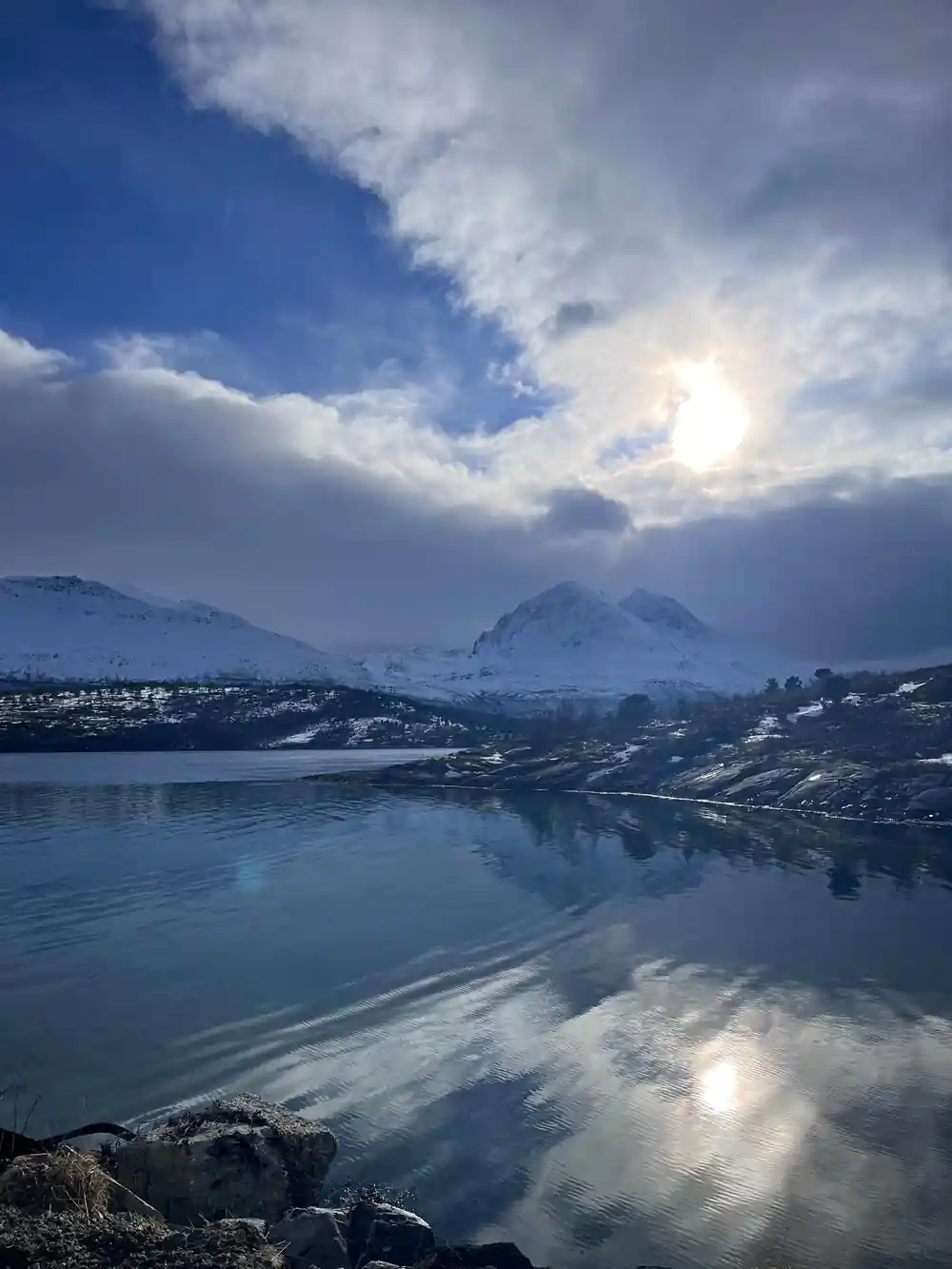
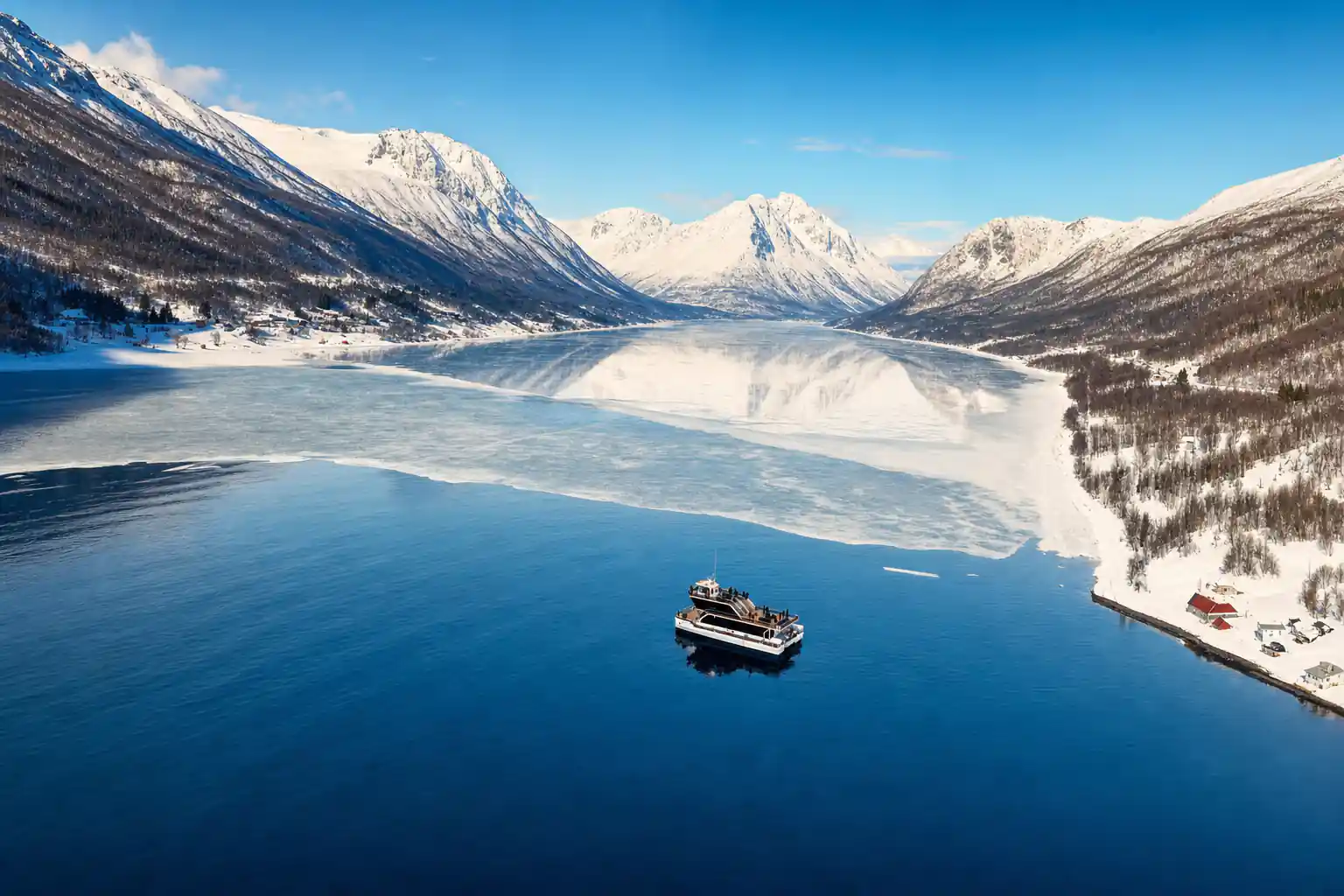
April and May offer a genuine compromise between lingering snow and continuous daylight. The mountains surrounding Ramfjorden, Rya, and Tirpitz-platen display their most photogenic appearance during these months, with snow still clinging to upper elevations while lower valleys turn green. The sun never fully sets in May, introducing the midnight sun effect on an abbreviated scale. Daytime temperatures climb toward freezing, making time on deck considerably more tolerable than winter months. This shoulder season attracts visitors seeking dramatic landscape photography without enduring the coldest weather or the complete darkness of winter.
Spring weather brings a higher likelihood of the fish-rack land stop actually departing. April days tend to stabilize after the turbulence of March, and the catamaran can more reliably approach the shallow coastal farm. The underwater drone also benefits from marginally clearer water conditions as fresh snowmelt flows into the fjords. May's near-perpetual daylight means the drone operator has excellent visibility for capturing details of the kelp forest ecosystem, though the colder runoff can sometimes reduce water clarity. Plan for variable conditions, but statistically April and May offer better odds of experiencing all scheduled tour elements.
Midnight Sun and Peak Summer Sailing
From June through August, the midnight sun transforms Tromsø's fjords into a landscape of perpetual daylight. The sun dips only briefly below the horizon or doesn't set at all, fundamentally changing the cruise experience. Wildlife viewing extends across all 24 hours, though marine activity concentrates in traditional feeding windows. The catamaran's journey through Store Grindoya and Rystraumen proceeds under constant illumination, eliminating any aurora opportunity but delivering uninterrupted views of coastal features and bird colonies. Summer is peak tourist season, meaning more frequent departures but also more crowded vessels.
Midnight sun sailing demands an adjusted sleep schedule from passengers. The constant daylight can be disorienting; many visitors find themselves alert and energized longer than expected, which extends enjoyment but can leave you depleted by tour's end. Weather in summer runs considerably milder, with daytime temperatures sometimes reaching 15°C (59°F). This improved stability means the fish-rack landing nearly always proceeds as scheduled, and the underwater drone deployment faces fewer cancellations. The kelp forest appears its most vibrant in summer, with stronger light penetration illuminating the underwater ecosystem in vivid detail. Pack sunscreen and sunglasses despite the Arctic latitude, as the midnight sun's continuous exposure can cause unexpected sunburn.
Autumn Transition and Wildlife Abundance
September and October mark a rapid seasonal transition. Daylight shortens noticeably week by week, and marine life activity intensifies as whales prepare for migration and fish populations shift. The wildlife viewing during autumn cruises rivals late winter for sheer abundance and activity. Temperatures drop from summer highs to just above freezing, but the season avoids the deepest cold of winter. The returning darkness gradually opens the possibility of aurora, though sightings remain statistically lower than November through January. This in-between season appeals to visitors seeking active wildlife without extreme cold, though weather becomes increasingly unpredictable.
Autumn weather patterns directly influence the fish-rack landing's success rate. September typically offers stable conditions, making the land stop highly likely. By October, conditions deteriorate week by week, and the last departures of the month face genuine risk of skipping the farm visit. The underwater drone deployment similarly becomes weather dependent as Atlantic storms move northward. Early October provides reliable access to the kelp forest, while late October cruises may be forced to forgo drone deployment entirely. If your priority is experiencing all tour elements, aim for September departures. If aurora viewing is your goal, wait until October's final weeks.
How Weather Determines the Fish-Rack Landing
The land stop at the local fishing station is weather dependent, meaning it is not guaranteed on any sailing. The catamaran must navigate into shallow coastal waters and hold position while passengers transfer via small boat to the working farm. Rough seas, strong winds, or high swells can make this transfer unsafe, forcing the captain to cancel the landing and proceed with open-water viewing instead. Winter months (November through March) see landing cancellations roughly 30 to 40 percent of the time due to rough Atlantic conditions. Spring and autumn months improve these odds to roughly 20 percent cancellations. Summer months (June through August) see the fewest cancellations, typically below 10 percent, as weather stabilizes and seas calm.
Underwater Drone Deployment and Seasonal Clarity
The underwater drone exploration of the kelp forest is also weather dependent. Even if sea conditions permit boarding the catamaran, subsurface conditions must be suitable for safe drone operation and meaningful video capture. Rough water creates currents that destabilize the drone, while poor visibility renders footage useless. Winter months see the highest cancellation rates for drone deployment, sometimes exceeding 50 percent, due to heavy seas and minimal light penetration. Spring and autumn months achieve deployment on roughly 60 to 70 percent of cruises, weather permitting. Summer months show the most reliable deployment, with 80 percent or better success rates. The kelp forest itself is most vibrant and visible during summer months, so if this experience is a priority, book a June through August departure to maximize both deployment likelihood and video quality.
Ready to explore? Find your perfect sailing date
from US$157Reserve now & pay later