At a glance
- Nazi Germany's largest warship sought refuge in Arctic fjords during World War II, anchored near Tromsø as a strategic naval asset and constant threat to Allied convoys.
- The remote fjords offered natural protection and proximity to Arctic shipping routes, making Tromsø's waters an ideal hiding place for the massive vessel during the final war years.
- After numerous failed attacks, British RAF bombers finally destroyed Tirpitz in 1944 with a massive bomb strike, sending the battleship to the seabed where it remains today.
- Sail over the wreck site and explore the fjord's wartime history. An underwater drone reveals the kelp forest and seabed, weather permitting, bringing the story to life.
- Residents still recall the sinking vividly. After the war, salvagers recovered much of the wreck, yet portions remain submerged as a monument to this Arctic chapter of history.
Germany's Largest Warship Seeks Shelter
The Tirpitz was Nazi Germany's most formidable battleship, a 251-meter steel giant displacing over 42,000 tonnes and armed with eight 38-centimetre guns. Launched in 1939, it represented the pinnacle of German naval engineering and posed such a strategic threat to Allied operations that Churchill called it more dangerous than any other warship. The British mounted repeated attacks on the ship in Norwegian waters, forcing the German navy into a desperate hunt for safe anchorage. By 1944, with the Tirpitz damaged and hunted, the decision came to move it north to the remote waters near Tromsø, where narrow fjords and mountains seemed to offer protection from air assault.
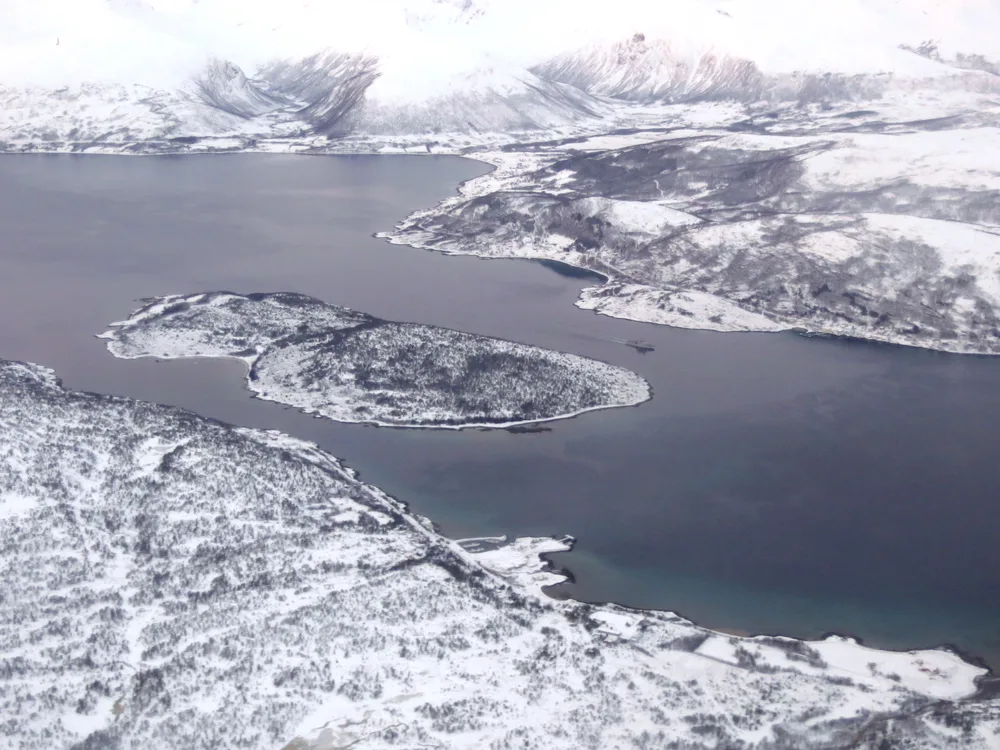
This choice of the Tromsø anchorage reflected a calculated gamble. The fjord's geography, with steep granite walls and limited approaches, made conventional bombing runs difficult. The Germans positioned anti-aircraft batteries and laid mine fields around the anchorage point they called Hakøy. Yet the very isolation that protected the Tirpitz from surface attack would prove its vulnerability to a new threat: the RAF's Lancaster bombers, equipped with revolutionary skip-bombing tactics and armour-piercing weapons.
Arctic Convoys and Strategic Pressure
The presence of Tirpitz in Norwegian fjords created havoc for Allied shipping. British and American supply convoys sailing to the Soviet Union through the Barents Sea lived under constant threat. A single sortie by the battleship could devastate an entire convoy, and the mere threat of its existence tied down Allied naval resources that were desperately needed elsewhere. Convoys were delayed, cancelled, or rerouted at enormous cost to the war effort. The psychological weight of the Tirpitz's shadow was as strategically important as any actual engagement.
By late 1944, eliminating the Tirpitz had become an urgent priority. The ship was damaged but still afloat and dangerous. The Allies had tried everything: submarines, carrier aircraft, conventional bombing. All had failed. When the Tirpitz anchored near Tromsø in October 1944, the RAF began preparing for what would be its final operation against the battleship. The stage was set for one of World War Two's most dramatic naval episodes.
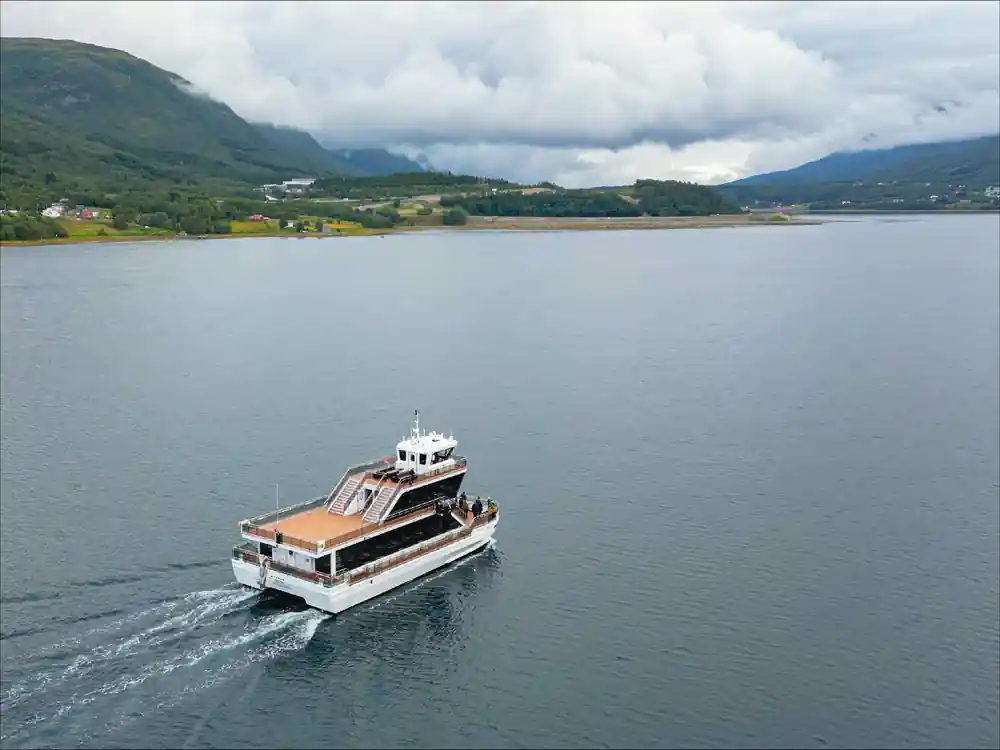
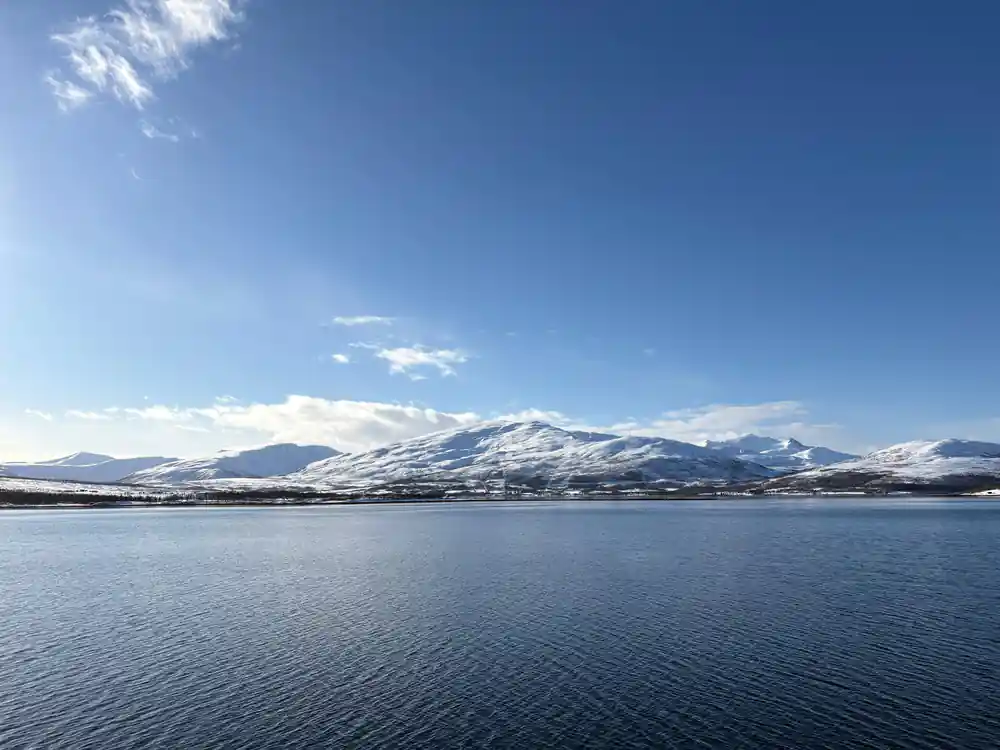
Calm waters conceal a sunken giant below
November 1944: The Final Bombing
On 12 November 1944, Lancaster bombers of RAF 617 Squadron launched from Lossiemouth in Scotland, flying over 2,000 kilometres to reach the Tromsø anchorage. They carried Tallboy bombs, 5.4-tonne precision weapons designed to penetrate armour and explode deep inside a ship's hull. In the grey Arctic dawn, the bombers descended through anti-aircraft fire. Two Tallboy bombs struck the Tirpitz in quick succession. The first punched through the foredeck; the second tore open the ship's side amidships.
The damage was catastrophic. Flooding was immediate and uncontrollable. The ship's captain, unable to prevent the list, ordered the crew to abandon ship. Within minutes, the Tirpitz rolled to starboard, capsized, and sank in the shallow waters of the fjord. Of the 1,900 men aboard, around 1,200 perished, trapped inside the overturned hull or lost to the freezing sea. The battleship that had menaced Arctic convoys for years was gone in a single morning. Local residents watched from the shore as the massive ship disappeared beneath the water.
The Wreck Beneath: Salvage and Discovery
After the war, the Norwegian and British governments faced the question of what to do with the upturned battleship. The wreck lay in 80 metres of water, blocking the fjord and representing both a navigational hazard and a salvage opportunity. Over several years, Norwegian salvage teams painstakingly cut the hull into sections and raised them piece by piece. By 1948, the fjord was clear, and the Tirpitz existed only in the stories of those who had witnessed its sinking and in the scattered remains on the seabed.
The word 'platen' on modern maritime charts marks the location where the battleship once rested. It comes from the Norwegian word for the seabed platform or shelf. The name persists as a navigational reference and historical marker, a permanent reminder that beneath these waters lie the bones of history. Today, divers occasionally explore the deeper wreckage, discovering artifacts and gaining insights into the ship's final moments.
1944
The Tirpitz displaced 42,900 tons, making it the largest battleship ever built, until Allied bombers sank it in 1944.
Memory and Legacy in Tromsø
For people in Tromsø and the surrounding region, the sinking of the Tirpitz remains a vivid part of local memory, even eight decades later. The event marked a turning point in the war and symbolised the beginning of the end for Nazi Germany's naval power. Museums and memorials throughout Tromsø commemorate the battle and honour those who died. Survivors, both Norwegian and German, shared their accounts with younger generations, embedding the Tirpitz story in the region's identity.
The sinking also represented liberation for Arctic convoy sailors who had lived in fear of the battleship for years. When news reached the convoys that Tirpitz was gone, it lifted a weight that had shadowed every journey. The Allies could now move supplies to the Soviet Union with far less risk. What happened in the Tromsø fjord that November morning rippled across the entire war effort.
Sailing Over History on the Catamaran
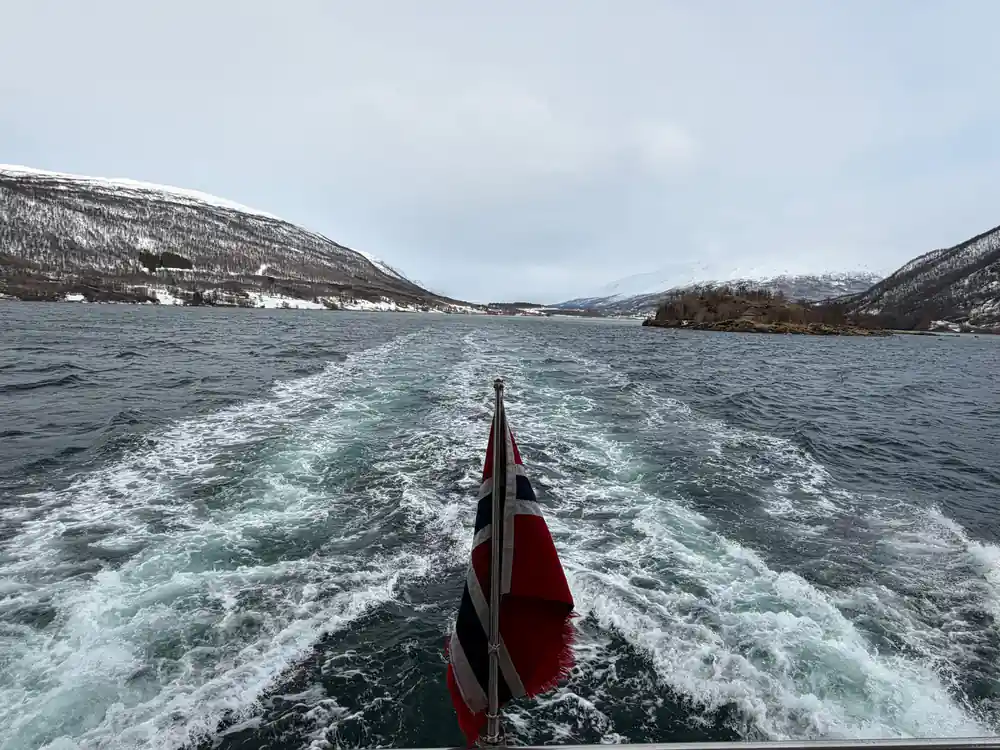
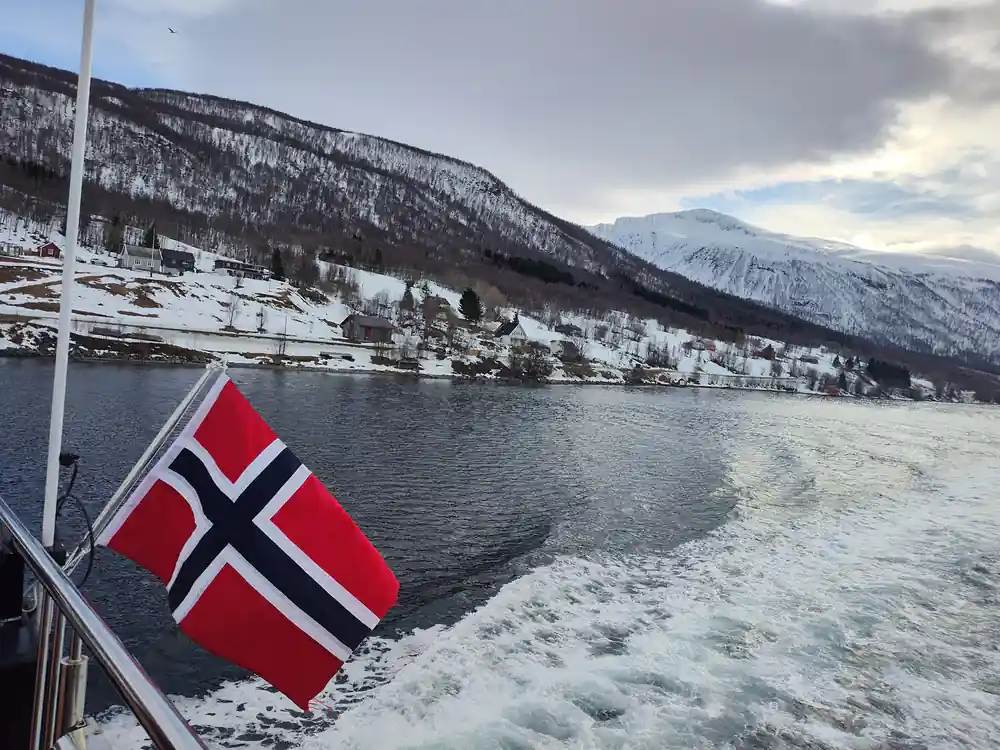
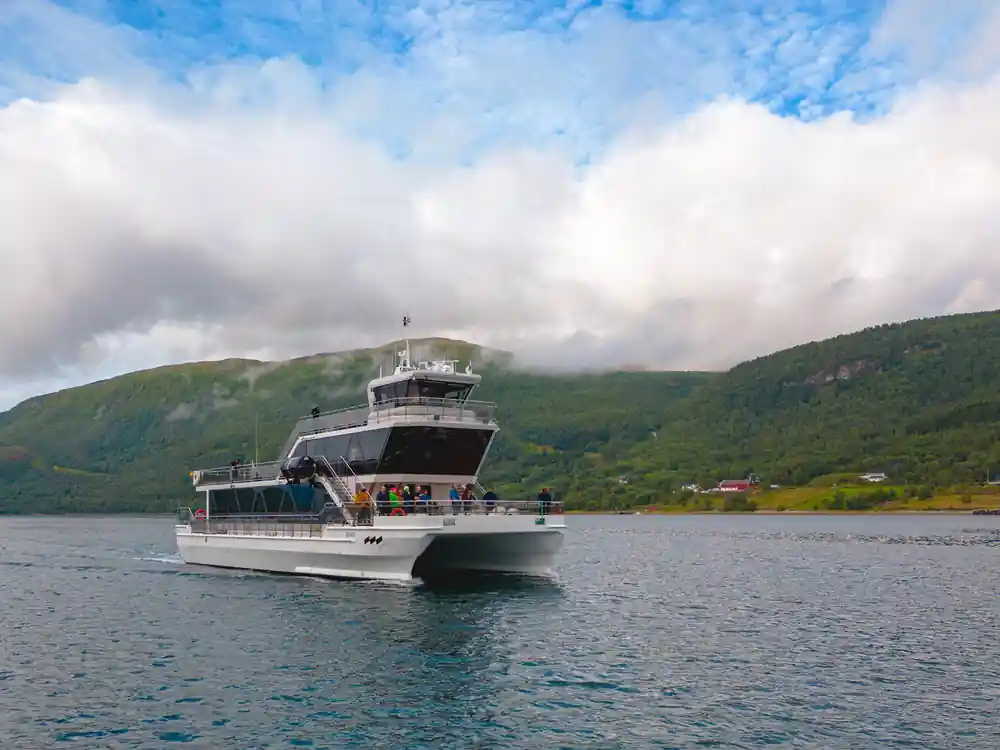
When you join this four-hour Arctic fjord cruise, you will sail directly over the waters where the Tirpitz met its end. As the catamaran glides across Hakøy and the surrounding fjords, your local guide will recount the events of that fateful morning, explaining the tactical decisions, the human cost, and the strategic importance of what unfolded here. The same mountains that once sheltered the German battleship frame the landscape you see from the deck.
Wartime Relics and What Remains Today
Fragments of the Tirpitz and other wartime artifacts remain in the fjord. Occasionally, storms stir up the seabed and pieces surface. Local divers and researchers continue to document what lies below, guided by sonar maps and historical records. The fjord has become an underwater museum of sorts, holding the material evidence of one of World War Two's most dramatic naval episodes. During your cruise, the underwater drone that explores the kelp forest offers a window into the marine world that has reclaimed these waters, a stark contrast to the violence that once disturbed the fjord's peace, though the drone's deployment depends on weather conditions.
Sail Over Arctic History
from US$157Reserve now & pay later